


Welcome to the latest edition of the Rewilder Weekly! 🦬🌳🐺🌞🌍
This week with the latest rewilder portrait - featuring Karen Blackport, CEO of Bright Green Nature, and co-convenor of the Scottish Rewilding Alliance - as well as inspiring and insightful stories from 🇨🇱 Chile, 🇨🇦 Canada, 🇰🇪 Kenya, 🏴 Scotland, 🇵🇪 Peru, 🇯🇵 Japan and 🇳🇱 the Netherlands.
Wishing you a good week.
Cheers,

👉 If you come across stories you’d like to see featured in a future edition of the Rewilder Weekly, send them to me and I’ll gladly do what I can.


1) Meet the Rewilders: Karen Blackport
Meet the Rewilders is a series that introduces you to people engaged in the rewilding movement across the globe. Today meet Karen Blackport, founder and CEO of Bright Green Nature, co-convenor of the Scottish Rewilding Alliance and as if that were not enough, she’s also the director of Faldonside Eco, a nature focused small rural estate. I wish I had half the energy Karen must have! Her life has certainly taken a few turns, but they all led her closer and closer to world of rewilding.
She got her masters in biodiversity, wildlife and ecosystem health, and calls those studies transformational … but what particular got me is what she says she has learned from her three-year-old son who has Down’s Syndrome: “He has taught me, the ex-biotech executive, who flew the world over doing deals, that actually none of that matters - what this world needs more than anything is people who can heal division, who can build and connect, not destroy and who can repair what has been destroyed. To him, this all comes naturally. It also makes sense to celebrate and value diversity in our world - ecological diversity and cultural diversity reinforce each other. Multiple voices, species, and land uses create systems that can adapt to change.” Beautifully said, wouldn’t you agree?

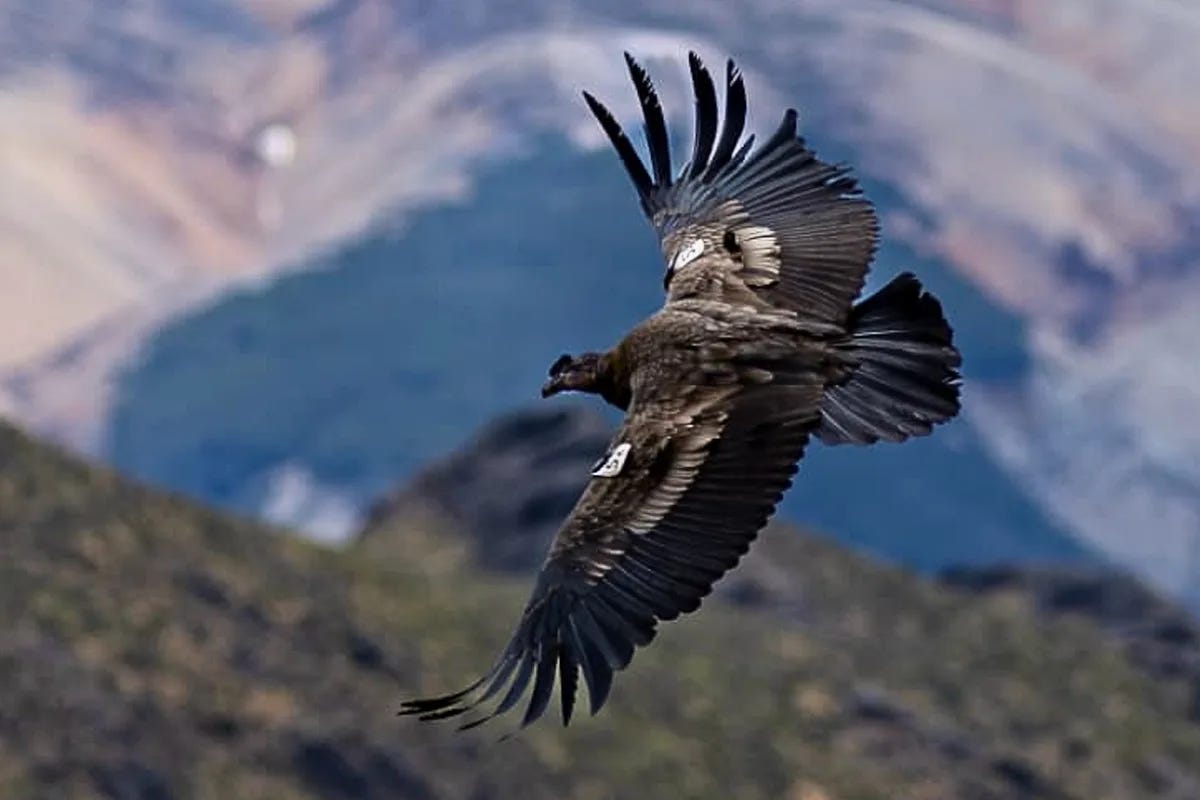
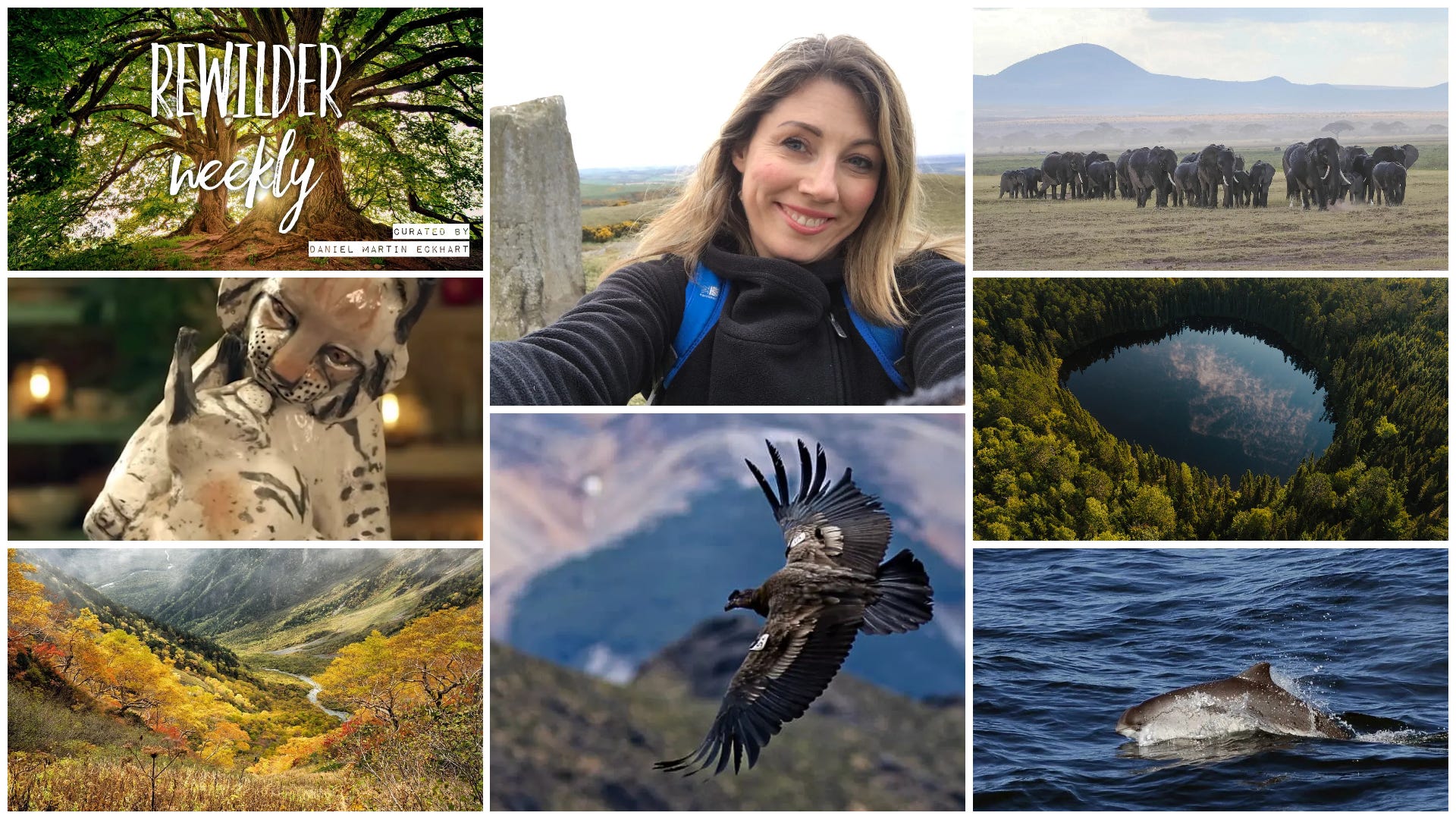
2) Rewilding Chile releases three new Andean condors
Andean condors are the world’s biggest rapters with a wingspan of over three meters. These particular three are called Carmen, Auquinco and Farellón and they’re now soaring in the skies above the Patagonia National Park. When first released, they stayed close - but now they’re already traveling far and joining the two dozen condors that have been released by the Manku Project over the course of the past decade.
These magnificent birds are under threat and, as the story goes with vultures in other parts of the world, a major threat is that of secondary poisoning. Poisoned carcasses are put out by farmers to kill animals that prey on their livestock … and then, in swoop condors to do what they’re meant to do, to scavenge, to clean up, and they become unintended victims. Here’s hoping that such ill-considered practices end, because farmers have a better understanding of the destruction they wreak.
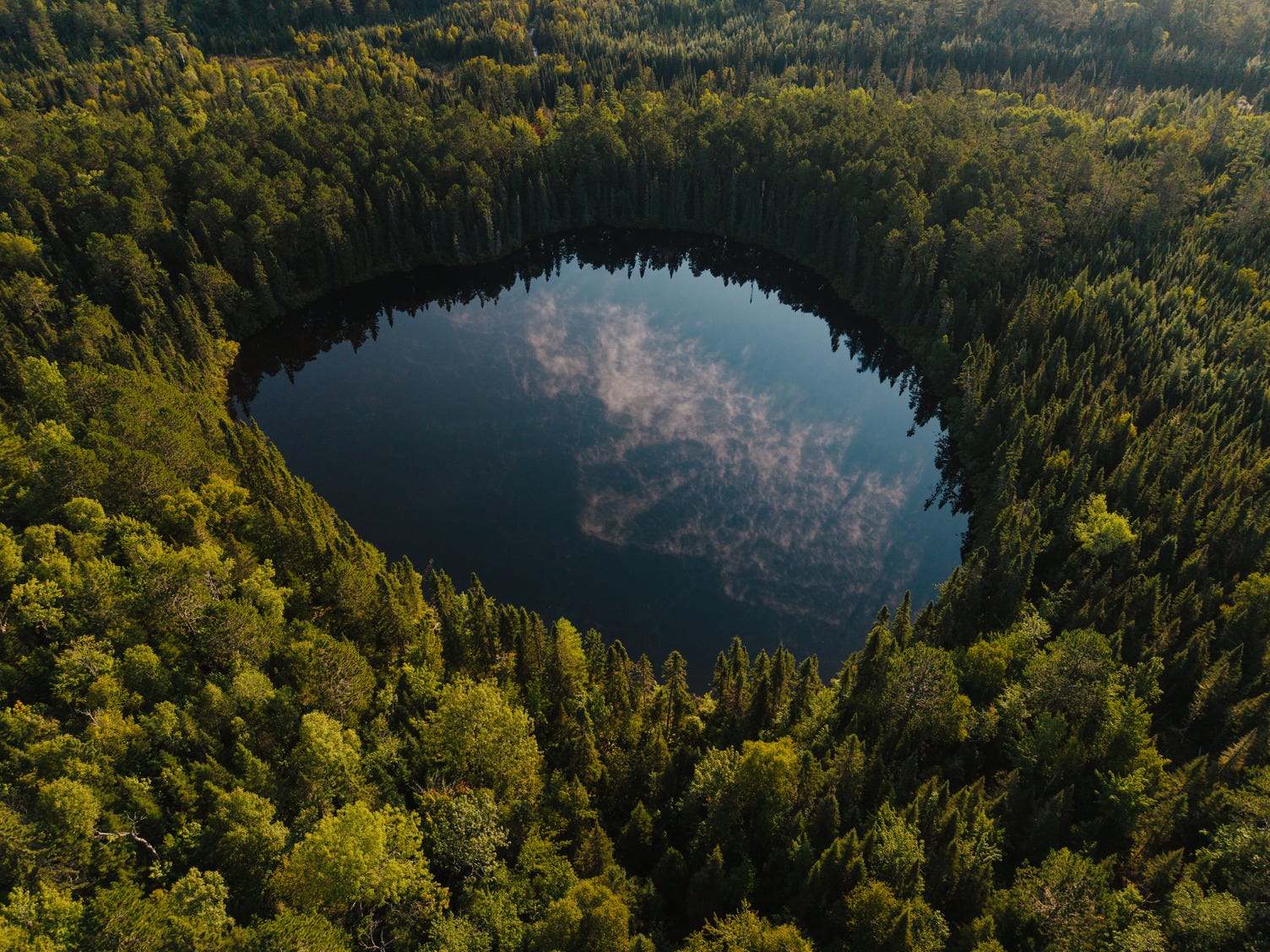
3) 815 hectares protected in Canada, strengthening habitats and a vital wildlife corridor
The Nature Conservancy of Canada has announced the protection of Domaine du Lac Léon, an ecologically rich 815-hectare territory in the Lower St. Lawrence region. The landscape is home marten, black bear, moose and more - and represents an important ecological corridor between Quebec, New Brunswick and the US State of Maine. It also contributes to the fight against climate change thanks to its forests and wetlands, which capture atmospheric carbon and purify air and water.
Camille Bolduc (Nature Conservancy of Canada project manager) says, “This project marks a major step forward for conservation in Quebec. Thanks to our partners, we are ensuring the protection of an ecosystem that is essential for biodiversity and the resilience of natural environments in the face of climate change.”
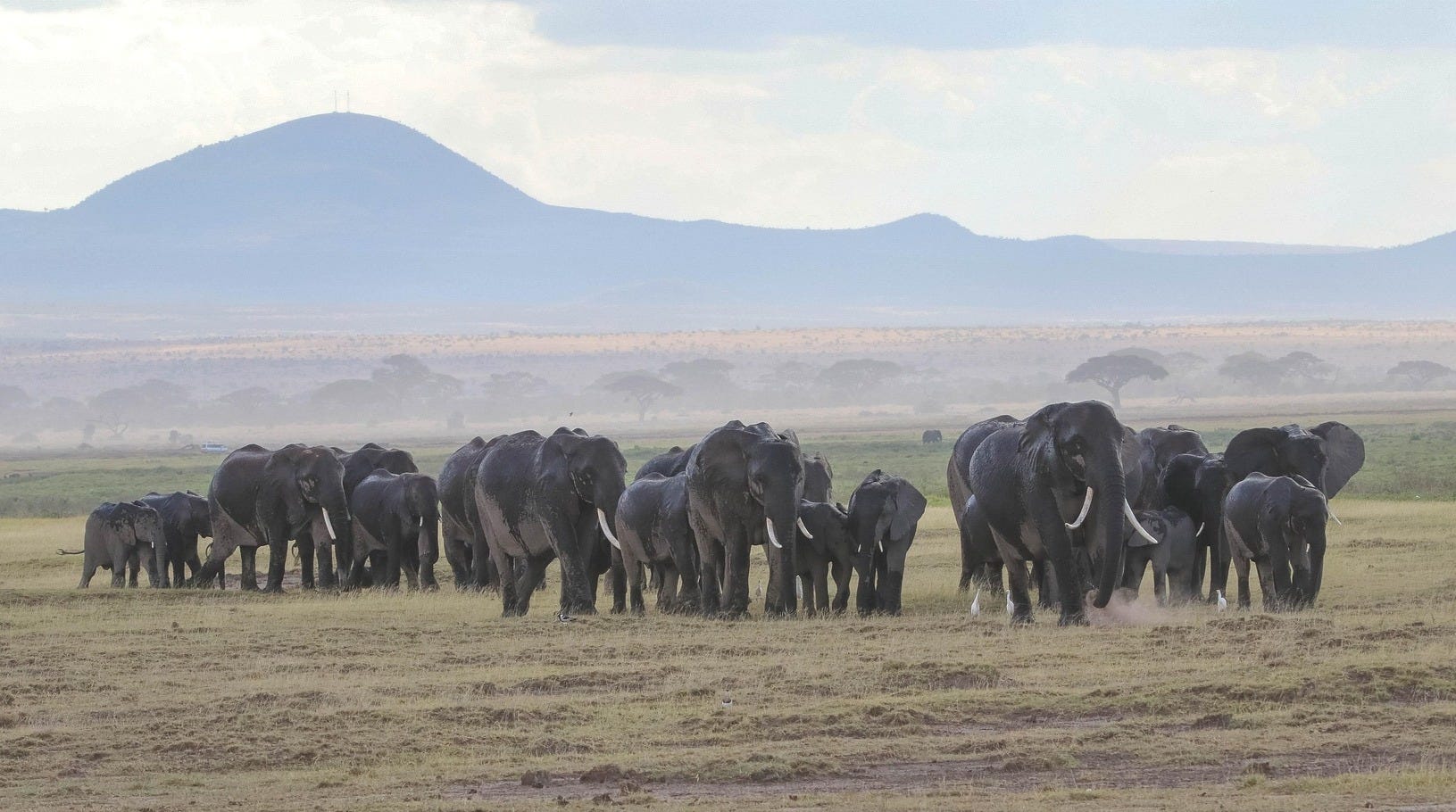
4) Imagine you’re a crop farmer and you see this herd of elephants coming your way
This is a coexistence story going right. For subsistence farmers protecting their crops or livestock is a matter of survival. If it comes down to choosing your family or wild animals, who wouldn’t choose the family? But just as the killing of wild animals was often the first option, more and more farmers around the world are choosing non-lethal paths because they understand the importance of healthy ecosystems. The New Scientist shares a video about a low-tech deterrent that appears to be successful in rural Kenya.
While electric fences are available, many subsistence farmers don’t have the means to use that particular coexistence measure to protect their crops. In comes the Kasaine fence (named after its inventor), a wire with metal strips attached. It moves with the wind and makes noise, something elephants don’t like. It also reflects the sunlight and thus, in movement, in colors and with noise, constantly changes. Usually, the smart elephants soon learn whether or not an obstacle represents a threat. The hope is that this constantly changing fence will ensure that elephants won’t get used to it. So far, it seems to work!


5) Nudging Scotland toward lynx reintroduction … with the powerful assistance of art
You know the power of art. Whether it’s a painting, a song, a poem, a novel, a film or another form of artistic expression, if you come across it and you feel something, it moves you, then you know the power of art. It may be a fleeting sense - or it can be a live-changing moment. The power of art should always be an arrow in any movement’s quiver. It most certainly is that for the rewilding. I’ve seen it amazingly on display in many ways already - and most recently with the UK’s “The Great Pottery Throw Down”.
Last year I met Sam Hesling when I was visiting rewilding projects in Scotland last year. The Abriachan Forest Trust does amazing work. You can read about it here. When I was there, I also met Sam’s wife Emily and the kids and learned about Emily’s pottery, too. She is currently one of the excellent participants of the pottery competition and every week her work focuses on the Highlands, on nature and on rewilding. And last week Emily was chosen as potter of the week with her lynx and cub sculpture. Perfectly in time with upcoming consultations about lynx reintroduction to Scotland - here’s hoping!
👉 Find out more about the return of the lynx to Scotland

6) Women lead coexistence efforts in the Peruvian Andes
This story’s brought to you by Mongabay, and it’s a good one! In the Peruvian Andes, at +4000 meters above sea level, the rural economy focuses on the alpaca. Traditionally, predators were killed whenever possible - and trees burned to keep them further away. In a region that is home to the puma, the pampas cat and the Andean cat, this is the story of a new and better way of doing things. Merinia Mendoza Almeida is the founder of “Quechua Women United for Conservation” (launched in 2023).
This is such a fantastic effort that shows a number of things: For example how camera traps can generate love for what’s been feared; or how a system change with the creation of different pastures leads to far fewer livestock losses; or how the understanding, respect and even love for the carnivores helps to create new income streams. Merinia says, ”We’re also beginning implementing our pilot alpaca shelters so they’re predator-proof. We also have improved chicken coops to prevent small felines, from preying on chickens. Since the start of the project, conflicts with wildcats have decreased dramatically, and for the first time, pumas are no longer being killed in retaliation.”
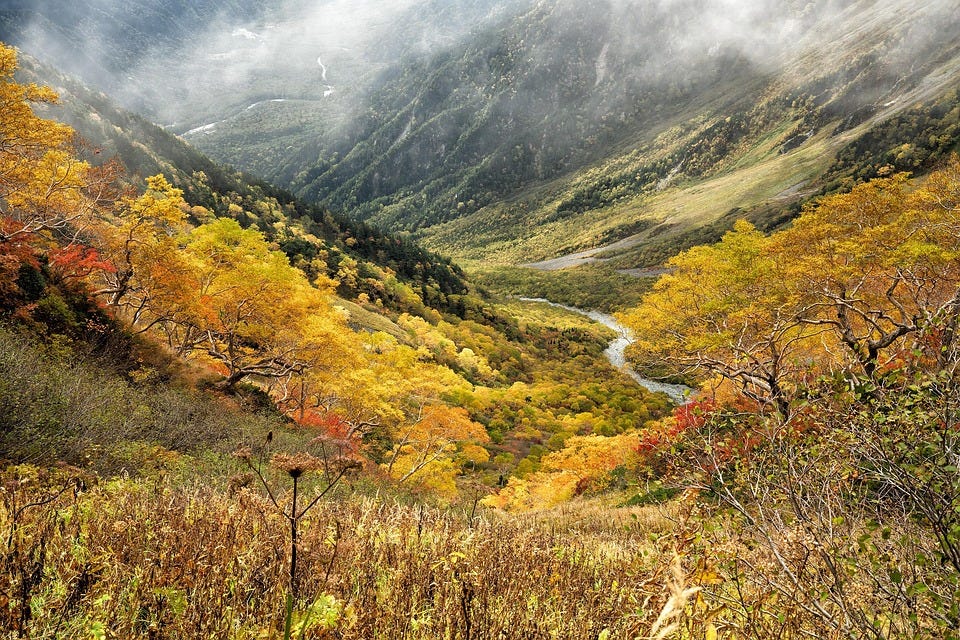
7) Rewilding in Japan
I report on a lot nature restoration efforts from across Europe, and also from South and North America. But I’ve realized that I don’t come across a lot of rewilding news from Asia - yes there is some, but there are also some real blindspots. So I’ve decided to look at various countries, one at a time, starting with Japan.
This is quite a hefty article, with a focus on Japan’s large predators, its depopulation dividend (or not), its forests and national parks, and yes, rewilding. I’ve come across a great deal of research, monitoring, education, advocacy, etc. - but surprisingly little actual hands-dirty nature restoration projects. A massive new study has found that a declining population doesn’t mean immediate improvement for nature. The researchers say, “Biodiversity recovery needs to be actively managed, especially in depopulating areas. Despite this there are only a few rewilding projects in Japan.”

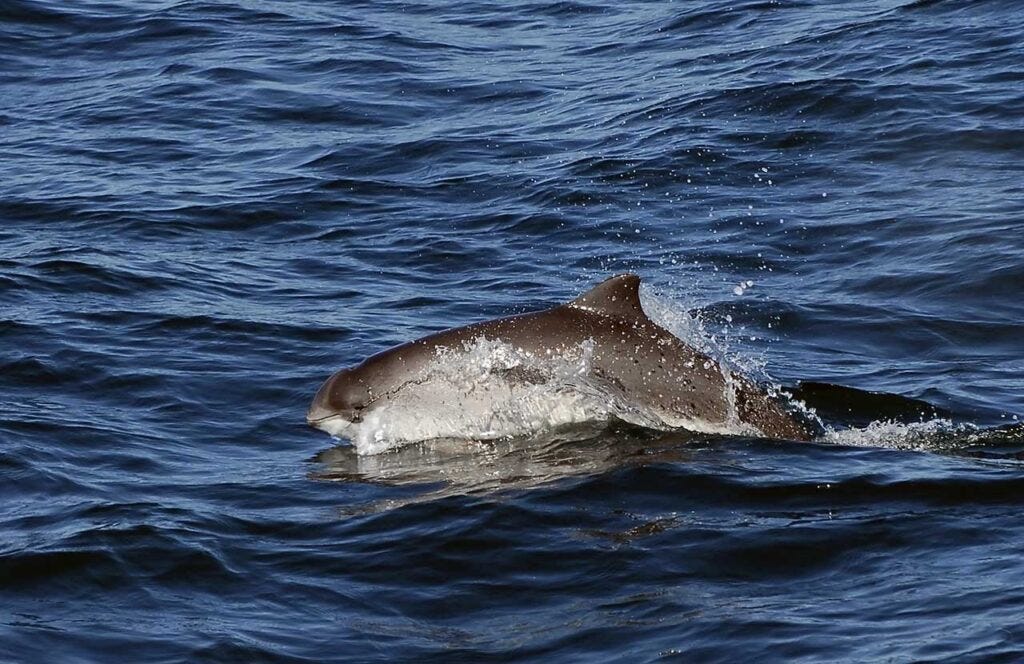
8) Doggerland protection under threat
The Doggerland Foundation is fairly new, established only just in 2022 - but what it focuses on is prehistoric lands that today are rich habitats at the bottom of the North Sea. They’re doing a great job shining a light on what is often unseen - all too often the world does not even notice when horrific devastation (bottom trawling, deep sea mining, open-pen salmon farming, etc.) happens below the surface. In December something great happened: the Dutch courts ruled that not enough is done to protect three MPA (yes, already supposedly protected areas). This should have immediately meant more protection for MPAs that are essential nurseries, too.
Alas, this unfortunately is one of those tales that make me want to tear my hear out. Just as, after the EU adopted the nature restoration law, lobbies of every kind have been busy trying to weaken that new law - the same is happening here: Immediately after the ruling, the government (!) and four gas companies active in those areas have chosen to challenge it. Emilie Reuchlin (director of Doggerland) is absolutely right when she says, “It’s unbelievable that the government is going to waste valuable time and taxpayer money opposing its own legal obligations to protect these nurseries. Instead, they should finally start acting in the best interests of marine life, and thus also in the best interests of society at large, by enforcing violations.”

To conclude this week’s edition, rewilding legend and Trees for Life founder Alan Watson Featherstone shares with us a bit of his iconic photography that often takes a look at nature in a way that’s far closer to what we ordinarily perceive in passing. Alan takes time - as we all should. This time Alan’s discovered a bit of nature that felt decidedly artistic - doesn’t the below look like some fairy creature?
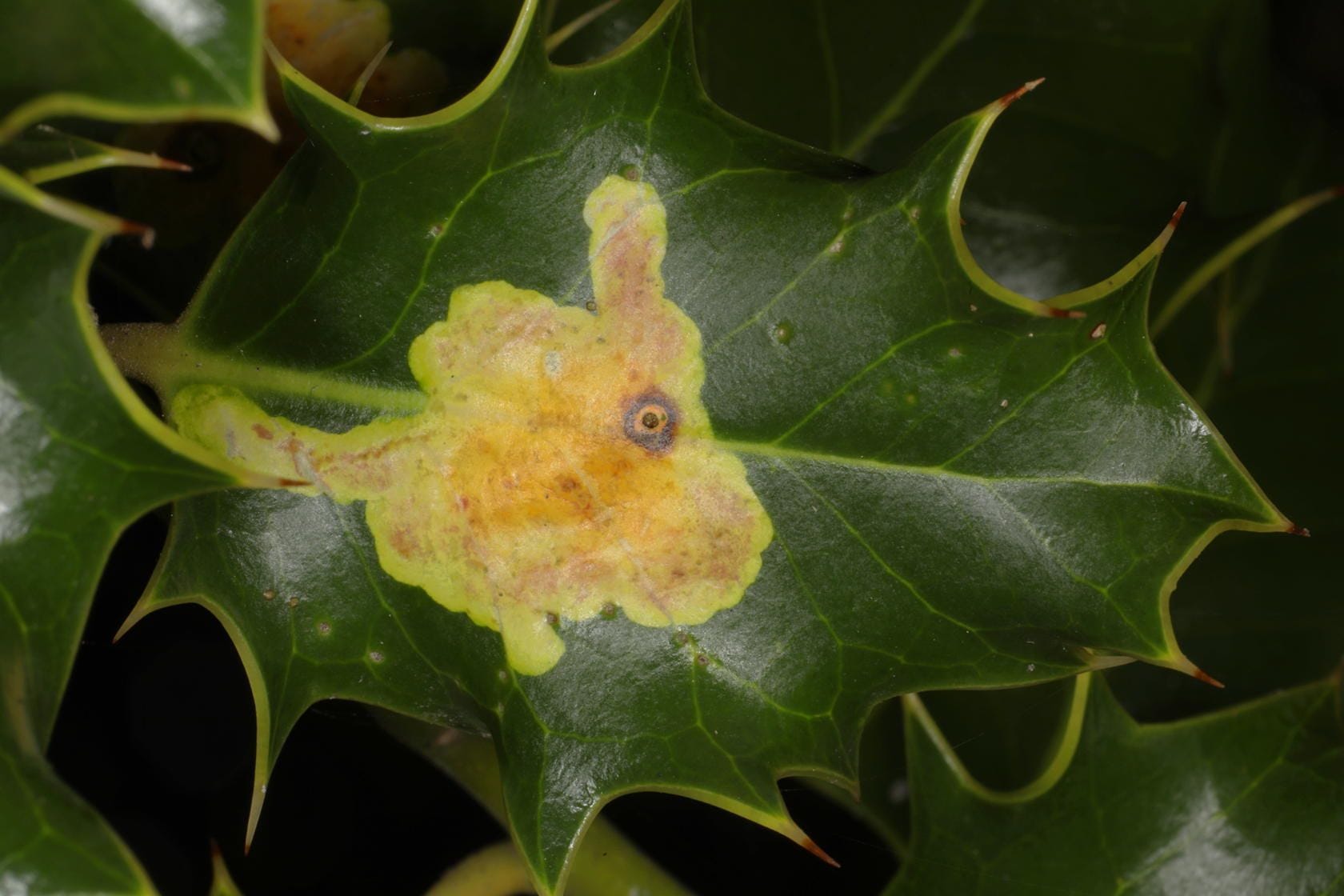
To find out more about Alan, his public speaking, writing, photography and more, visit him at alanwatsonfeatherstone.com. And if you feel like reading about my fantastically unique day with him in Glen Affric, go here.
Glad you’re here, reading the Rewilder Weekly. Share the stories, write your own (and let me know about it), engage with others. Let’s continue to reach out, inspire and activate ever more people around the world. The rewilding movement is growing, and with all of us pitching in, it’ll grow a great deal more!
That’s it for this week’s edition. Eager for more rewilding insights?
connect with these organizations - sign up for newsletters and support them in any way you can;
join these events - conferences, online seminars, rewilding days and weeks to immerse yourself and learn from the experts;
read these books - a selection from Foreman to Macdonald, and from Tree to Daltun, Hetherington and Bowser;
listen to these podcasts - it’s inevitably inspiring when the likes of James Shooter, Ben Goldsmith and Brooke Mitchell talk to the pros in the field;
and check out these resources - explore the principles, ways of funding, research publications and personal ways to start rewilding.
And, of course, connect with and follow the many passionately engaged rewilders. Let’s keep growing the movement! 🦬🌳🐺🌞🌍
Go ahead, do it! 😊 I love comments and you can ask me anything (literally). You can also let me know about projects you come across, article you think I should share - and feel free to throw in tough questions, too - spice of life!
Oh, and please do click the ❤️ (like) button, too. The more ❤️, the more these posts rise in Substack’s algorithm - which means more and more people will discover rewilding, will learn about it, will engage around it, and hopefully will become active rewilders before long. Thanks!