


Welcome to the latest edition of the Rewilder Weekly. 🦬🌳🐺🌞🌍
This week with the latest rewilder portrait - featuring rewilder Emir Delic, whose wild heart and main focus lies with the Western Balkans - as well as inspiring and insightful stories from 🇷🇴 Romania, 🇺🇦 Ukraine, 🇩🇰 Denmark, 🇮🇹 Italy, 🇨🇳 China, 🇺🇸 the US and 🇫🇷 France.
Wishing you a good week!
Cheers,

👉 If you come across stories you’d like to see featured in a future edition of the Rewilder Weekly, send them to me and I’ll gladly do what I can.

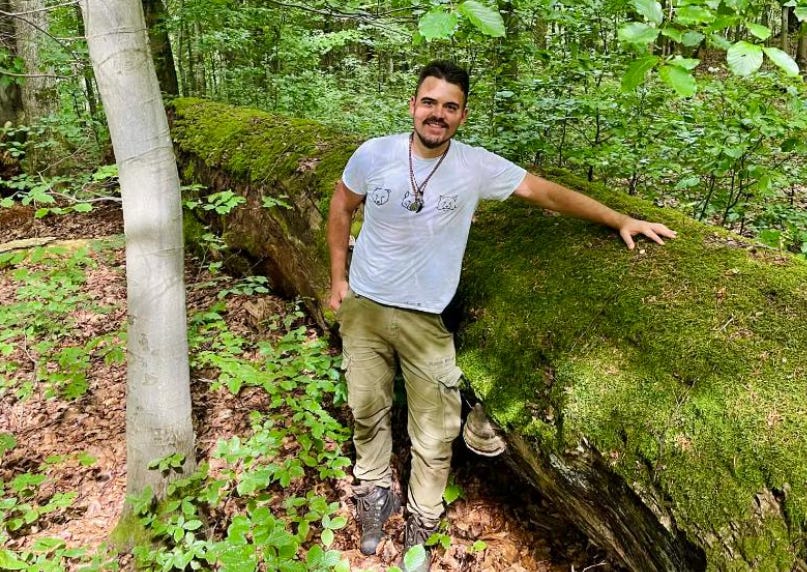
1) Meet the Rewilders: Emir Delić
Meet the Rewilders is a series that introduces you to people engaged in the rewilding movement across the globe. Today meet Emir Delić, a conservation scientist and practitioner working at the intersection of rewilding, biodiversity conservation, and environmental governance in the Western Balkans and beyond. He supports rewilding initiatives and designs projects that restore ecological processes while also working for people and local communities.
I wish a had an ounce of Emir’s knowledge and experience. With his hope for the future, I so hope he’s right: “In ten years, I hope rewilding in the Western Balkans is no longer seen as a niche idea, but as a credible, science-based approach embedded in policy, land-use planning, and community development. I hope more rivers are free, large carnivores are better understood and more fairly managed, and protected and conserved areas are better connected and governed. Personally, I hope to have helped build institutions, partnerships, and projects that last - and to look back knowing that the landscapes I care about are healthier, wilder, and more resilient than they are today.”

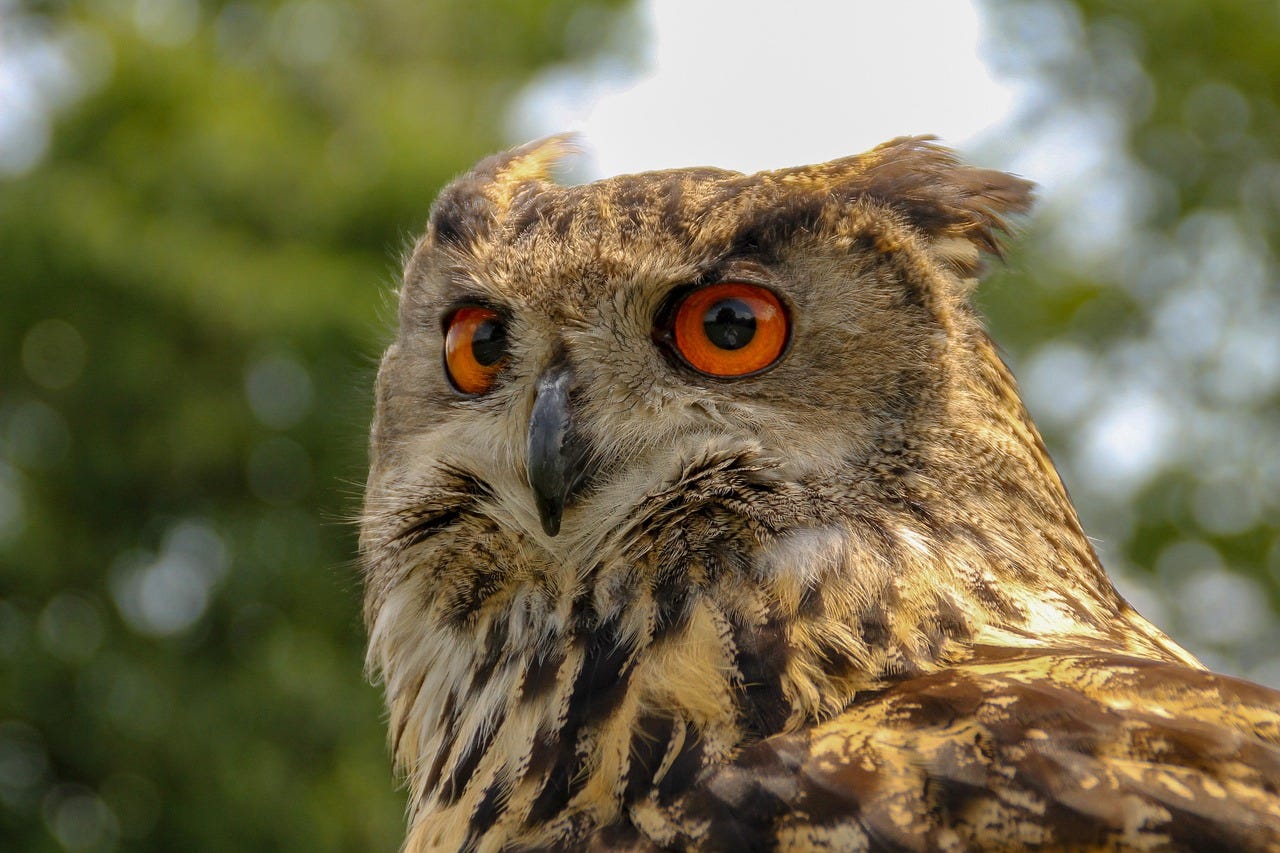
2) The comeback of the magnificent eagle owl
Mark Hillsdon is a freelance writer focused on nature. In this article he travels the Danube Delta and visits rewilders both in Romania and in Ukraine, where the restoration of eagle owl populations is underway. It’s an enjoyable read, you’ll feel as if you were exploring those massive wetlands with him. The eagle owl is huge - it can be up to 75cm tall and sail past with a wingspan of up to 180cm! This bird of prey is sorely needed, as it aids in “controlling the spiraling population of rats that threaten the eggs and chicks of ground-nesting birds such as plovers and avocets.”
These large birds were once widespread, but heavy persecution almost wiped them out. Luckily, the eradication program was ended in 1969 and today the hunting of eagle owls is completely prohibited. The reason for the need to reintroduce them in places where they’re no longer present is quite surprising: “Eagle owls lack an adventurous streak and, once they fledge, they don’t disperse, they don’t explore. As a result, nature can’t be relied on to repopulate an area, so human intervention is needed. But reintroductions need to be carefully managed - eagle owls can prey on almost anything … they are super-predators.”
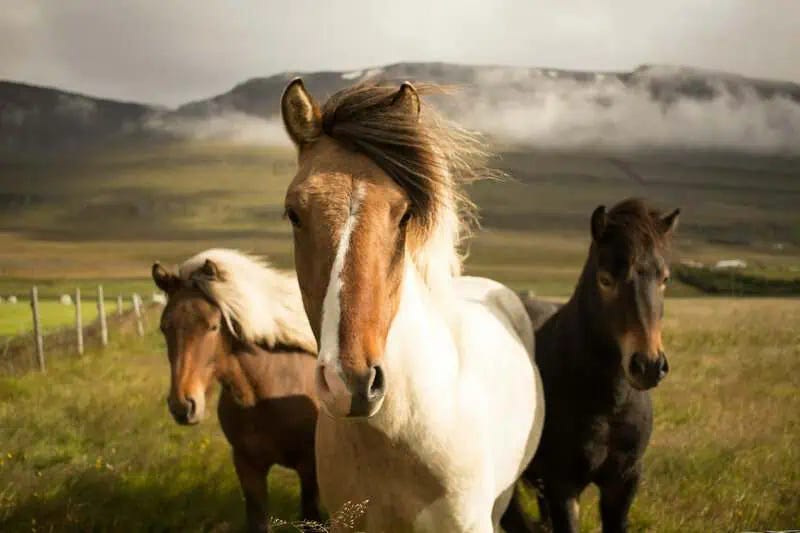
3) How feral horses and cattle are rewilding Europe’s landscapes
The Rewilding Academy’s Arend de Haas writes about the immense ecosystem-engineering value of large grazers. Humans have shaped the lands for a very long time now into large swaths that are cleared and tilled and mono-cultured and degraded. The reintroduction of free-roaming large herbivores helps far more than just the soil to recover. By trampling, grazing, wallowing and seeding, new habitats are created by their very presence. These new habitats enable the return of biodiversity-rich, healthy nature.
Arend explains that successful reintroductions depend on, “understanding not just that these animals eat plants, but how they move across the landscape, where they choose to feed, and how their presence affects vegetation patterns over time. Until recently, these questions were difficult to answer. But a team of ecologists in Denmark has brought new clarity by tracking GPS-collared horses and cattle and combining their movement data with satellite observations of vegetation productivity. The results, published in a recent study, reveal both predictable patterns and surprising behaviors.”
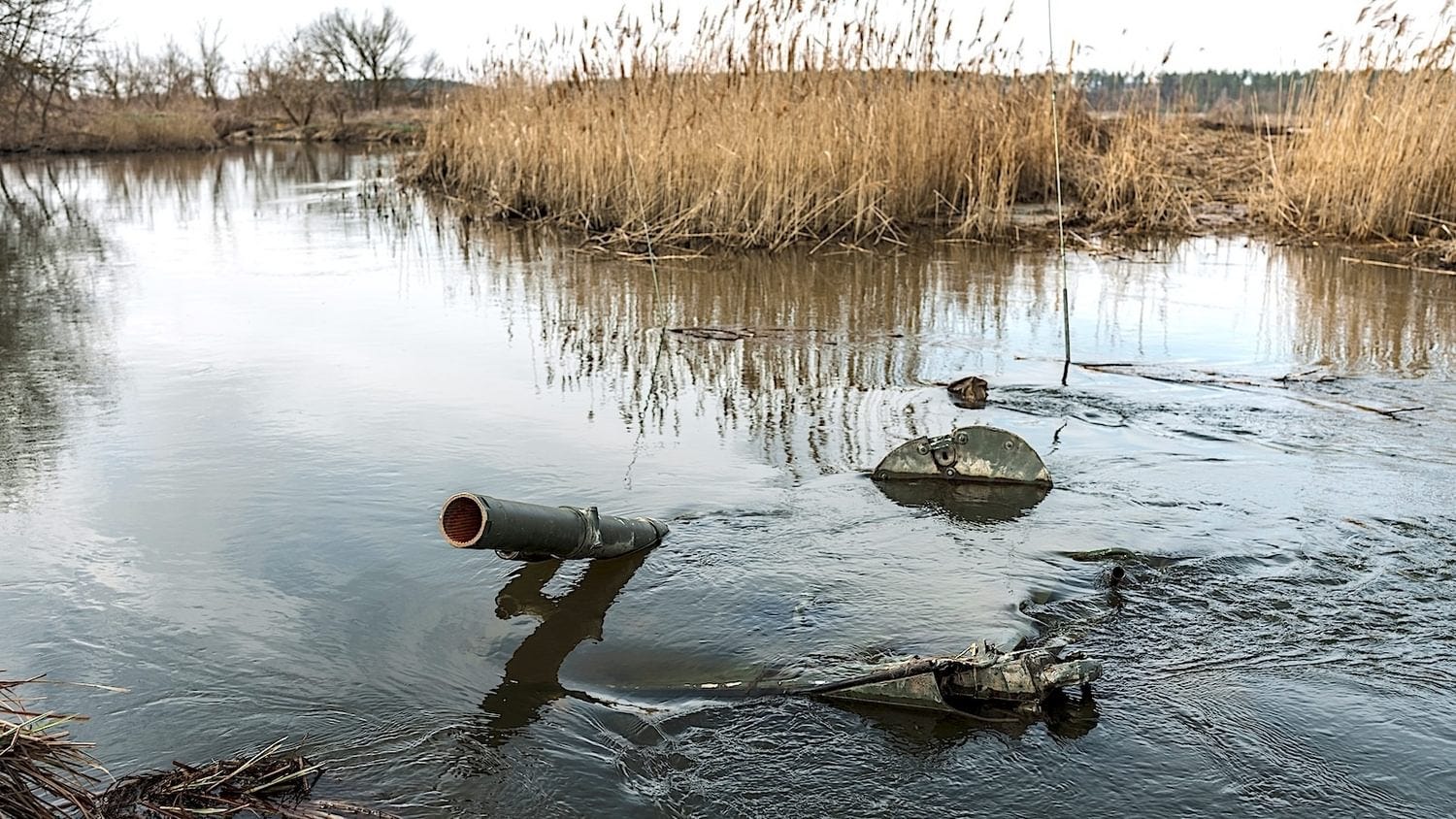
4) “Defensive Rewilding” … wait, what?
I had not heard the time, but it’s been around for a while. We live in strange and truly disheartening times when some are downright eager to destroy whatever clarity and safeguards have existed since WWII. I think it cannot be helped that Europe builds up its own spine and lets go of a dependence that can no longer be relied upon (let alone tolerated). As part of all of this, “Defensive Rewilding” is gaining more and more traction not just in theory, but in practice.
The idea is simple: “Restoring wild forests, peat bogs and wetlands on Europe’s borders would establish defensive barriers that are hard to cross for enemy armored units, at a fraction of the cost of concrete anti-tank ditches while bringing environmental benefits, researchers said.”. Some countries are already doing it, like Poland and Finland. To me this parallels perfectly with the European Green Belt initiative. Maybe an EU-wide “Defensive Rewilding” initiative will supercharge that effort.
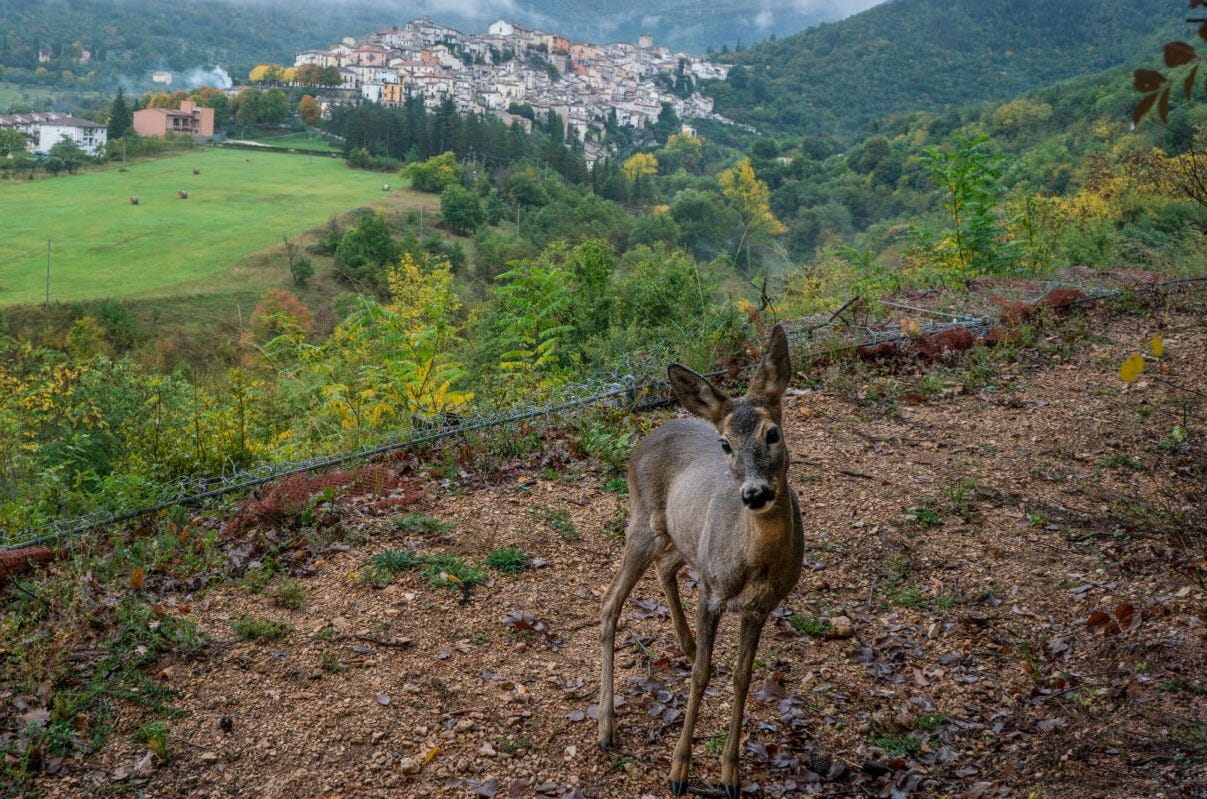
5) Bear corridors in Italy prove to be corridors for all
In the Central Apennines, a mountainous range in Italy where Rewilding Appenines is making a huge difference, a great deal of focus is on the Marsican brown bear. Several corridors are supporting the protection and restoration of this species. What I particularly like about this study are the results from one of the lower-altitude corridors where there is traditional human activity (non-intensive agriculture) - such corridors are proven to be rich wildlife habitats.
Rewilding Appenines writes that the central point of the study’s finding clearly shows that “corridors designed for the Marsican bear do not serve the bear alone. They function as high-quality habitat for an entire mammal community. This is what ecologists call the umbrella effect: protecting a species with large spatial requirements creates favorable conditions for species with smaller ones.”

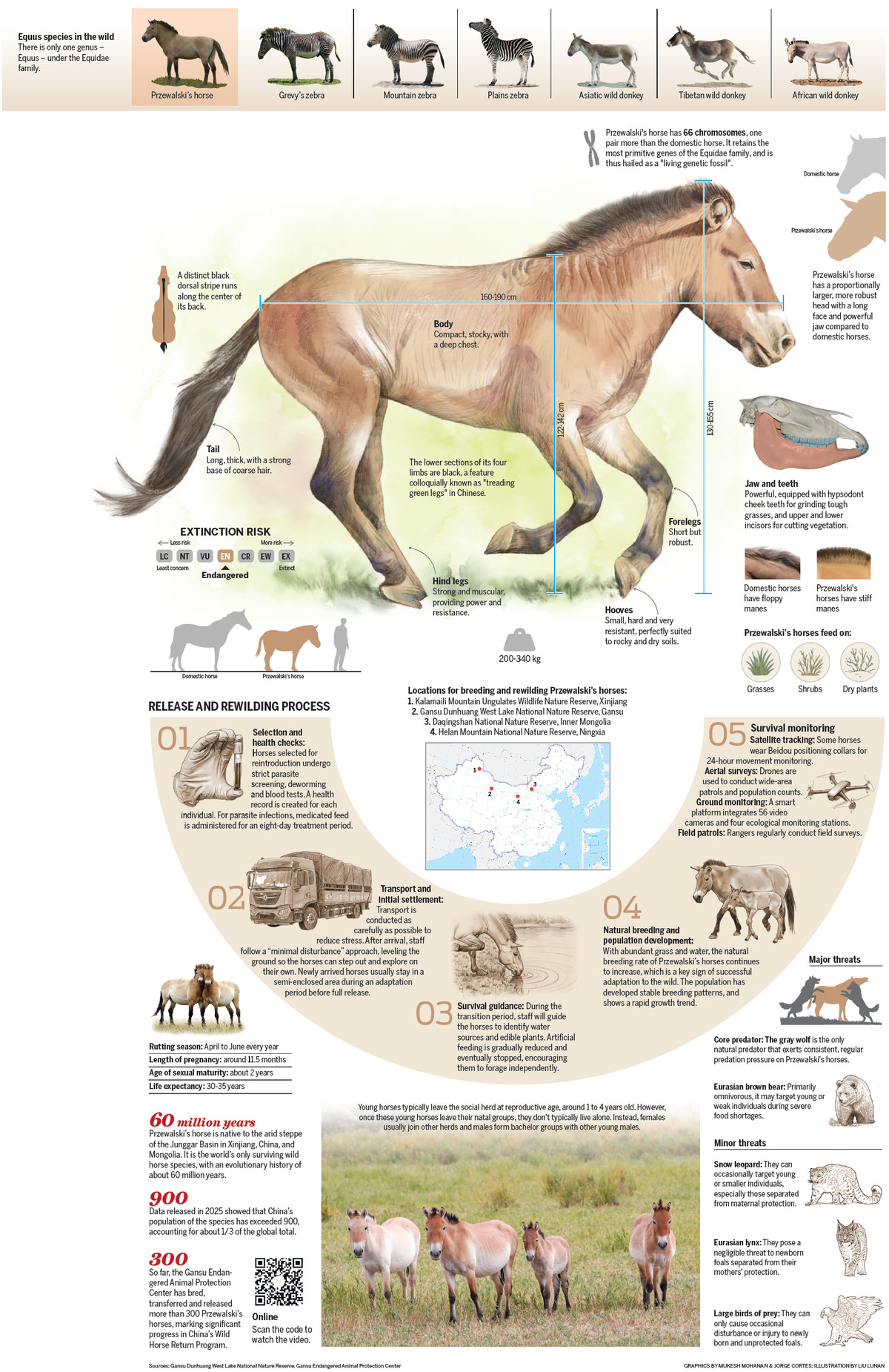
6) The Przewalski’s horse is thriving in China
There are only 2’000-2’500 Przewalski’s horses in the world. This endangered horse is different from most horses with genetic characteristics that make it a true and ancient wild horse (as opposed to domesticated-gone-feral horses). There are ongoing restoration efforts around the world and the Przewalski’s Horse, is now one of the large grazer ecosystem-engineering heroes reintroduced in many countries.
China started its “Wild Horse Return Program” forty years ago - and now they’re celebration that anniversary by highlighting the success of its breeding programs. They write, “The Przewalski’s horse — the world’s only surviving wild horse species — has completed a historic transition from being on the brink of extinction to there being self-sustaining wild herds in Northwest China. The population of Przewalski’s horses in China has surpassed 900 individuals, accounting for approximately one-third of the global total.”

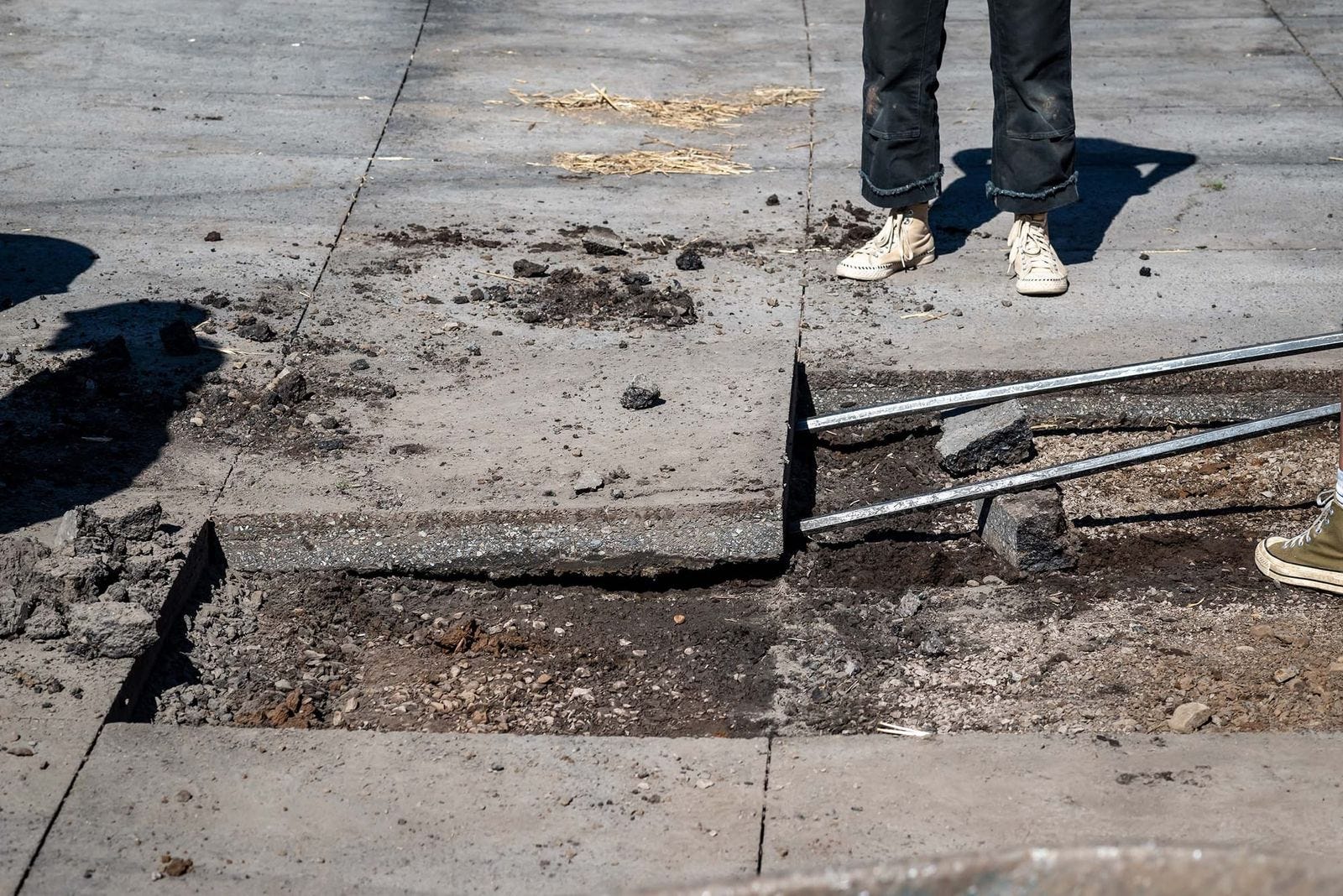
7) Depaving supports rewilding
This story focuses on one particular project in Portland, Oregon, where the NGO Depave Portland removed the concrete slabs of a parking lot. Instead of a parking lot, the area is turning into a greened space where children can play and where native wildflowers and fruit trees can grow. When you just think about it in global terms, it’s dramatic. According to the article there are about 2 billion parking places in the US alone (now imagine that worldwide) - in all of those places, the soil beneath is trapped, unable to breathe, unable to do what it is meant to do.
When you read the article, you see that Depave Portland - started by two friends that helped each other depave their driveways - is growing and inspiring. There’s no doubt on my mind that such depaving projects support rewilding. When you’re out and about today, look around. Maybe you see a space that really does not need to be paved. And then bring people together to change it! These depaved places are nature isles (ideally even corridors) in and around cities that allow wildlife to travel as it should always be able to do, to foster healthy, genetically rich and biodiversity-rich environments.
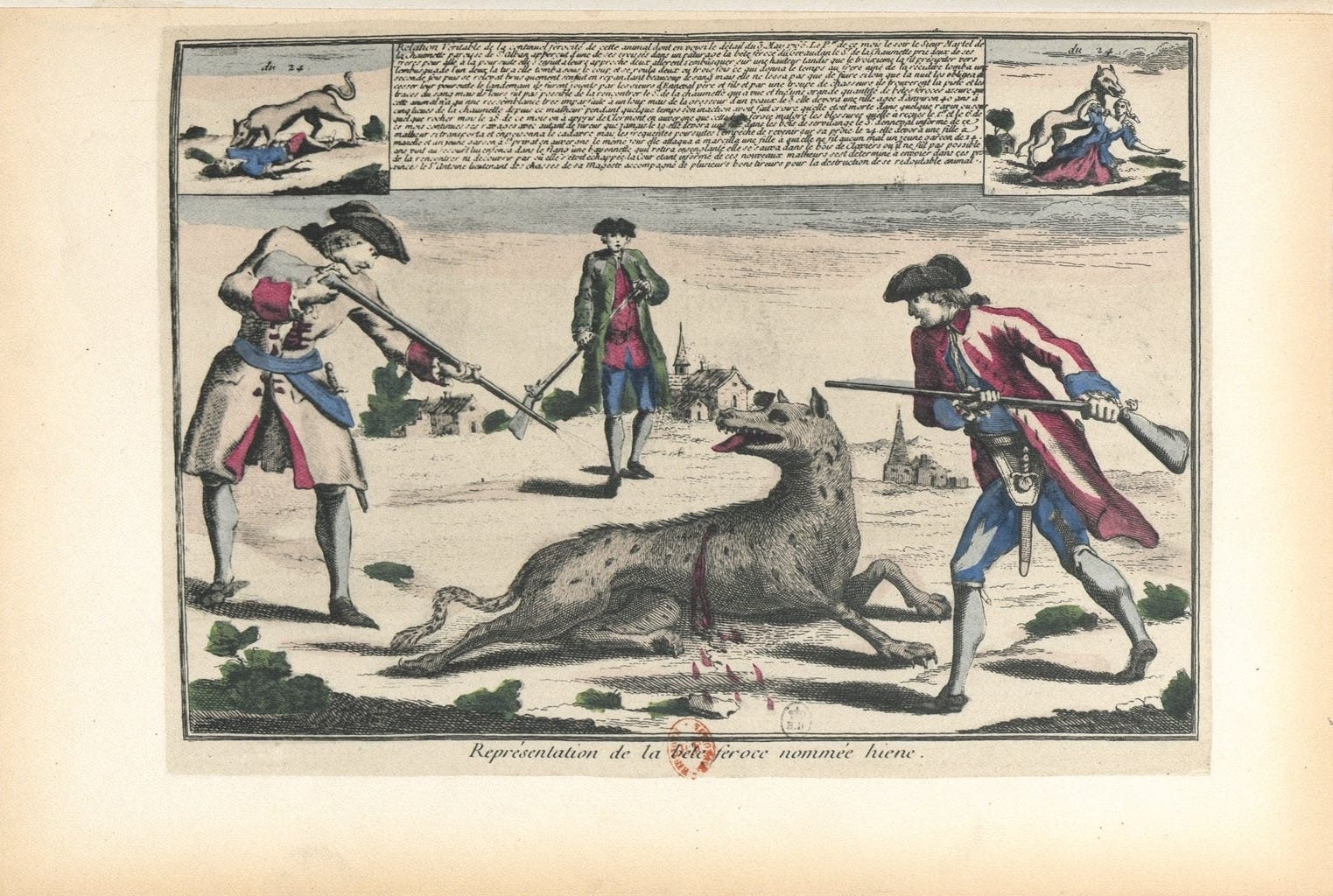
8) The history of organized wolf hunting in France - from Charlemagne to today
Wolf hunting in France has been an institutionalized force as far back as the realm of Karl the Great, better known as Charlemagne. In the early 9th century, the great Europe unifier organized the wolf hunters - the luparii - that would in later centuries become known as the Louveterie. Led by the Royal Wolf-Catcher - the first was named by King Philip IV in 1308, this was as prestigious as that sounds. This Royal Wolf-Catcher was responsible directly to the king to whom he took his oath, and his wolf hunters enjoyed a variety of privileges.
In this article I’m roaming across many French centuries, looking at Little Red Riding Hood, the Beast of Gévaudan, the numbers of human deaths, the decline and eradication of the wolf - and its return. And I’m looking into the thorny subject of human-wildlife conflict today - the rational and emotional realities. Finally, I’m suggesting that, instead of wolf-outrage, we could tackle the underlying cause of it all. Many won’t like it, but it would solve so, so much.

To conclude this week’s edition, rewilding legend and Trees for Life founder Alan Watson Featherstone shares with us a bit of his iconic photography that often takes a look at nature in a way that’s far closer to what we ordinarily perceive in passing. Alan takes time - as we all should. What you’re looking at here is the underside of an ear-pick fungus. Another one of nature’s countless marvels.

To find out more about Alan, his public speaking, writing, photography and more, visit him at alanwatsonfeatherstone.com. And if you feel like reading about my fantastically unique day with him in Glen Affric, go here.
Glad you’re here, reading the Rewilder Weekly. Share the stories, write your own (and let me know about it), engage with others. Let’s continue to reach out, inspire and activate ever more people around the world. The rewilding movement is growing, and with all of us pitching in, it’ll grow a great deal more!
That’s it for this week’s edition. Eager for more rewilding insights?
connect with these organizations - sign up for newsletters and support them in any way you can;
join these events - conferences, online seminars, rewilding days and weeks to immerse yourself and learn from the experts;
read these books - a selection from Foreman to Macdonald, and from Tree to Daltun, Hetherington and Bowser;
listen to these podcasts - it’s inevitably inspiring when the likes of James Shooter, Ben Goldsmith and Brooke Mitchell talk to the pros in the field;
and check out these resources - explore the principles, ways of funding, research publications and personal ways to start rewilding.
And, of course, connect with and follow the many passionately engaged rewilders. Let’s keep growing the movement! 🦬🌳🐺🌞🌍
Go ahead, do it! 😊 I love comments and you can ask me anything (literally). You can also let me know about projects you come across, article you think I should share - and feel free to throw in tough questions, too - spice of life!
Oh, and please do click the ❤️ (like) button, too. The more ❤️, the more these posts rise in Substack’s algorithm - which means more and more people will discover rewilding, will learn about it, will engage around it, and hopefully will become active rewilders before long. Thanks!
Thanks so much Daniel for this uplifting, inspiring, enjoyable alternative to reading the news!