


Welcome to the latest edition of the Rewilder Weekly. 🦬🌳🐺🌞🌍
This week with the latest rewilder portrait - featuring the head of India’s Wildlife Conservation Trust Anish Andheria - as well as inspiring and insightful stories from 🇬🇧 the UK, 🇺🇦 Ukraine, 🇲🇩 Moldova, 🇷🇴 Romania, 🇬🇷 Greece, 🇹🇷 Turkey, 🇰🇿 Kazakhstan, 🇩🇰 Denmark and 🇺🇸 the US.
Wishing you a good week!
Cheers,

👉 If you come across stories you’d like to see featured in a future edition of the Rewilder Weekly, send them to me and I’ll gladly do what I can.

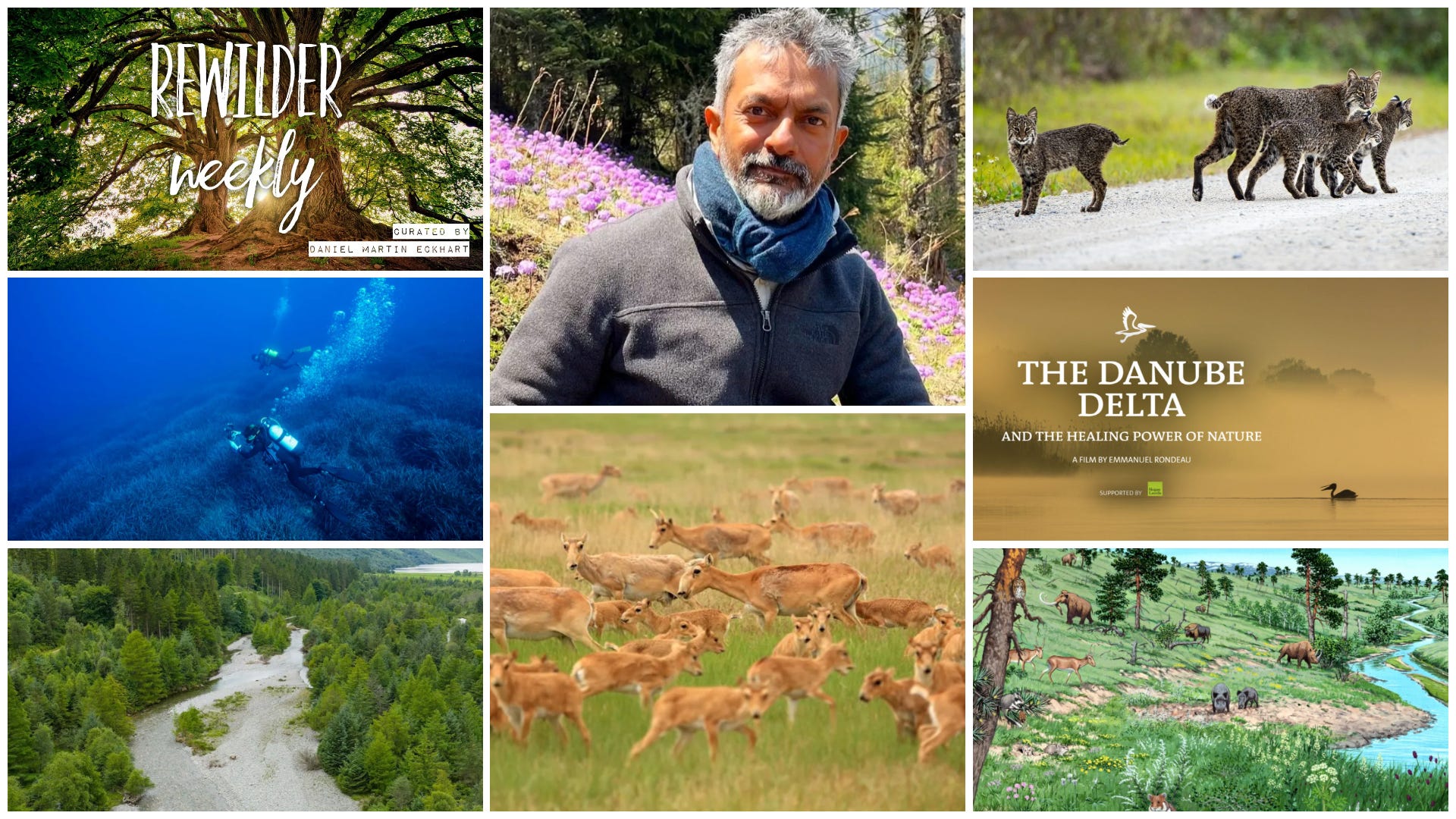
1) Meet the Rewilders: Anish Andheria
Meet the Rewilders is a series that introduces you to people engaged in the rewilding movement across the globe. Today meet Anish Andheria, Head of the Wildlife Conservation Trust with its wide-ranging efforts on conservation research, human-wildlife coexistence, ecosystem restoration, health and a vast amount of training for forest staff and law enforcement. The width and breadth of the work is staggering - get a sense here.
Asked about his beliefs, Anish says, “I believe that biological fitness is far more important than financial fitness. Because human-led societies are governed by the latter, we now face the threat of our own extinction within a few thousand years of existence. I also believe that the answers to most of our problems lie in understanding the mistakes we committed in the past. Another strong belief of mine is that while technology is a great tool, it is useless unless aligned with the principles of nature.” There’s much to glean from this portrait. I was also struck by his thoughts on where we’ll be ten year’s from now. I tend to agree with him. Things will very likely get worse before they get better.

2) World Rewilding Day is already history!
The World Rewilding Day took place on the 20th of March. While the day’s already behind us, the global rewilding movement continues to grow beautifully. Enjoy the above clip to get inspired - and if you’re not already part of the movement, I’m pretty sure that you will be before long! This is inspiration, this is hope, most importantly, all of this is nature-positive action for a healthier, biodiversity-rich world for all of us.
The Global Rewilding Alliance puts it this way: “With the help of rewilding, our future can be a world we want to live in. A beautiful planet where communities and wildlife thrive. Landscapes with reduced flooding, less fire and drought—all while opening up opportunities for local livelihoods and breathing new life into land, oceans and skies. The momentum is undeniable. Today, we come together to choose our future. A new world is in the making – build it with us, join the rewilding movement.”
👉 Go here for the GRA’s post on LinkedIn
👉 and enjoy some hope-scrolling with #ChooseOurFuture
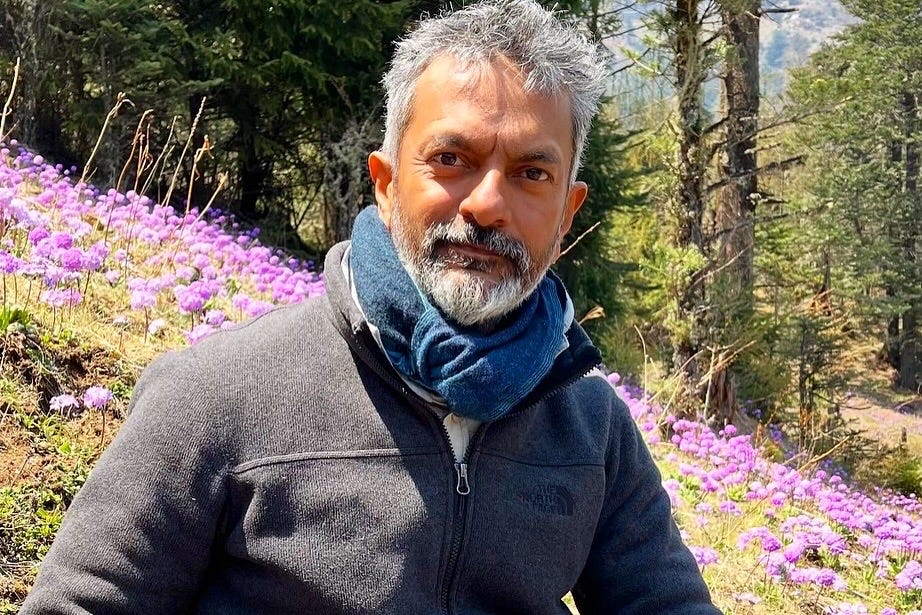
3) 30% rewilding is the game change Britain needs now
Co-founder and Chief Executive of Rewilding Britain Rebecca Wrigley has just started a new article series called Wild View. The first piece lays out clearly and starkly that the UK’s nature is not in a good place - nature is stalling. What’s needed, she argues, is a transformation for long-term ecological health, economic performance and social wellbeing. How? By rewilding 30% of the UK. Honestly? This really shouldn’t need saying - the 30by30 commitments are out there, but yes, unfortunately, the efforts are stalling in most countries.
She writes, “Only about 6% of land in the UK is effectively managed for nature. In England, that figure is just 3% and in Wales it drops to a staggering 2.4%. Scotland leads at 12.6%, yet only about 1% of the UK is actually rewilding through natural processes. At sea we ‘protect’ 38% of our marine area on paper, yet allow bottom-trawling to bulldoze most of the seabed, destroying the carbon-storing power of our kelp forests and seagrass meadows and undermining our fish stocks.” It’s an excellent and urgent post. And I couldn’t agree more with Rebecca. It’s no longer a matter of whether we can afford to rewild 30% of land and sea. The simply truth is that we cannot afford not to.
4) The Danube Delta and the healing power of nature
A fantastic story, beautifully told: We all need healthy nature, but we’re often not nearly aware enough of just how much. The war in Ukraine continues, and in the Ukraine’s Danube Delta, recovering nature is also helping people heal and reconnect with it. Rewilding Europe and Rewilding Ukraine launched this short documentary on World Rewilding Day.
Discover the huge rewilding efforts in a delta that spans three countries: Romania, Moldova, and Ukraine. There are vast wetlands and steppe ecosystems - and this increasingly healthy rewilding landscape, enriched such iconic species as the water buffalo, is helping people in war-torn Ukraine in special ways. They had the idea to bring war veterans and their families into nature to help them find a sense of peace and bliss in wild nature - it’s just such a stunning testament to what nature can do, and what we can do.

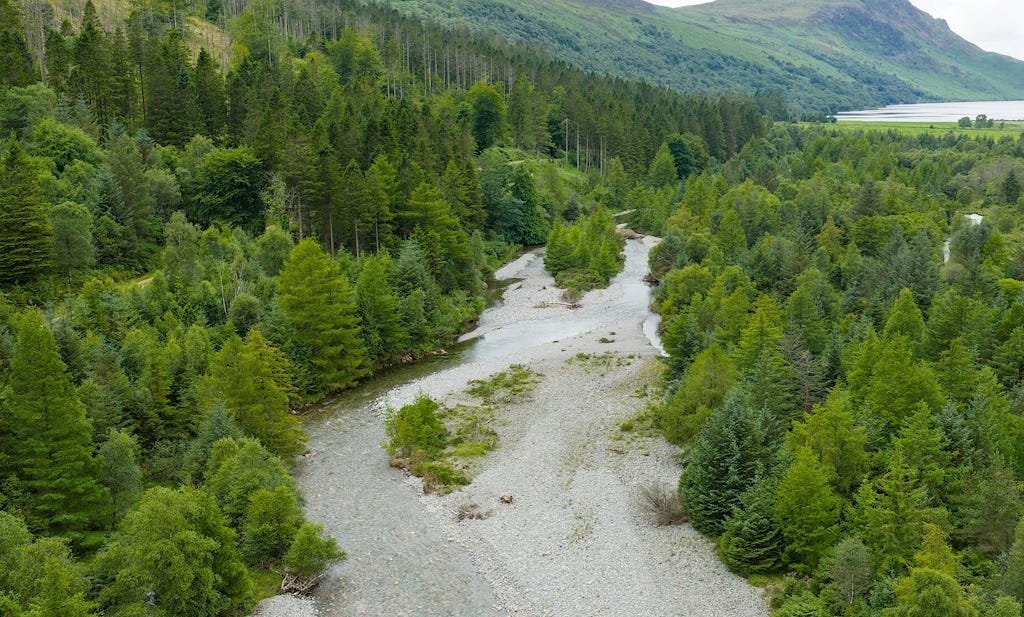
5) Altyn Dala: Restoring steppe ecosystems for nature and people
On the occasion of World Rewilding Day 2026, the Altyn Dala Conservation Initiative shared an in-depth Q&A with Dr. Alyona Koshkina and Dr. Ilya Smelansky, two leading scientists of the Association for the Conservation of Biodiversity of Kazakhstan. This far-ranging interview addresses subjects like: cultural significance that comes with ecological restoration; essential species (both flora and fauna) for a functioning steppe system; the visible and invisible parts of steppe ecosystems; the role of predators; the benefits for people; and much, much more.
When asked what makes her feel that she’s in a truly wild system, Alyona Koshkina says: “For me, the sense of wilderness is closely tied to openness – specifically, the absence of real barriers between human settlements and nature. This openness supports large-scale movements of wildlife, such as saiga, which are rare in many other parts of the world. While most open landscapes elsewhere are fenced, much of Kazakhstan remains largely unfenced.” This is something much of the Western world should work towards, I think. Fewer fences! We have disastrously fragmented nature by roads, and rails and fences just about everywhere, making it impossible for many of nature’s creatures to travel as they need to (more on that here).
6) The European Rewilding Networks expands into Greece and Turkey
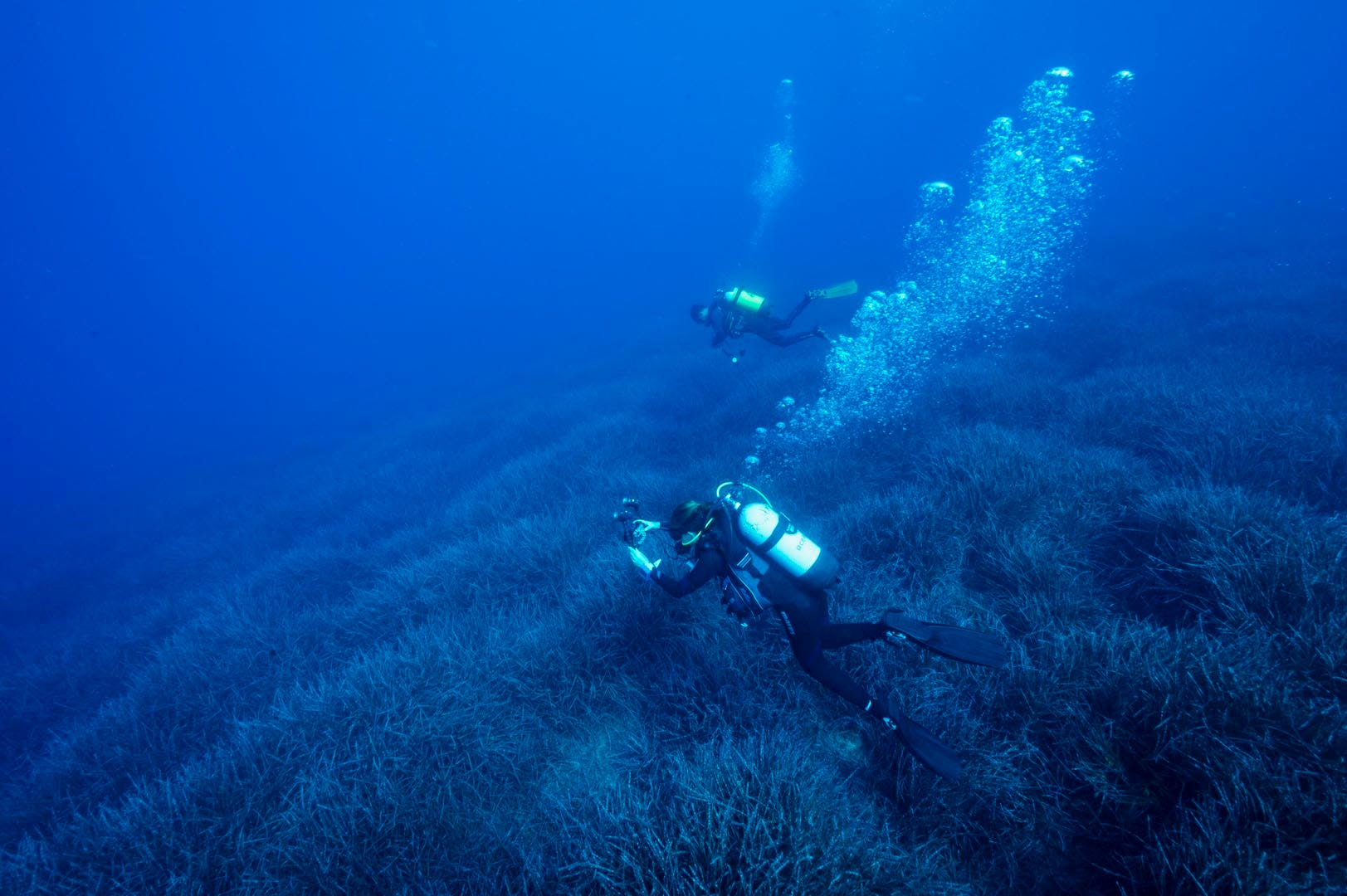
The European Rewilding Network currently encompasses 109 rewilding initiatives from 31 European countries. This network exists to connect and share experiences, to learn from others, to exchange tools and information to be ever more successful. These 109 initiatives alone bring together efforts involving 5 million hectares - so this is big - and it continues to grow and grow - latest additions are CALLISTO in Greece and Marine Rewilding Türkiye (which is led by the Mediterranean Conservation Society).
CALLISTO’s main focus is on improving coexistence between people and large carnivores (bears and wolves), while Marine Rewilding Türkiye focuses on restoring marine ecosystems along the Turkish coast. Rewilding Europe writes: “The addition of CALLISTO and Marine Rewilding Türkiye marks an exciting milestone for the European Rewilding Network. With Greece and Türkiye now represented, the network continues to expand geographically, while embracing an ever wider range of rewilding approaches — from coexistence with large carnivores in forested landscapes to ecosystem recovery in coastal seas.”

7) The case for more wildlife crossings … everywhere!
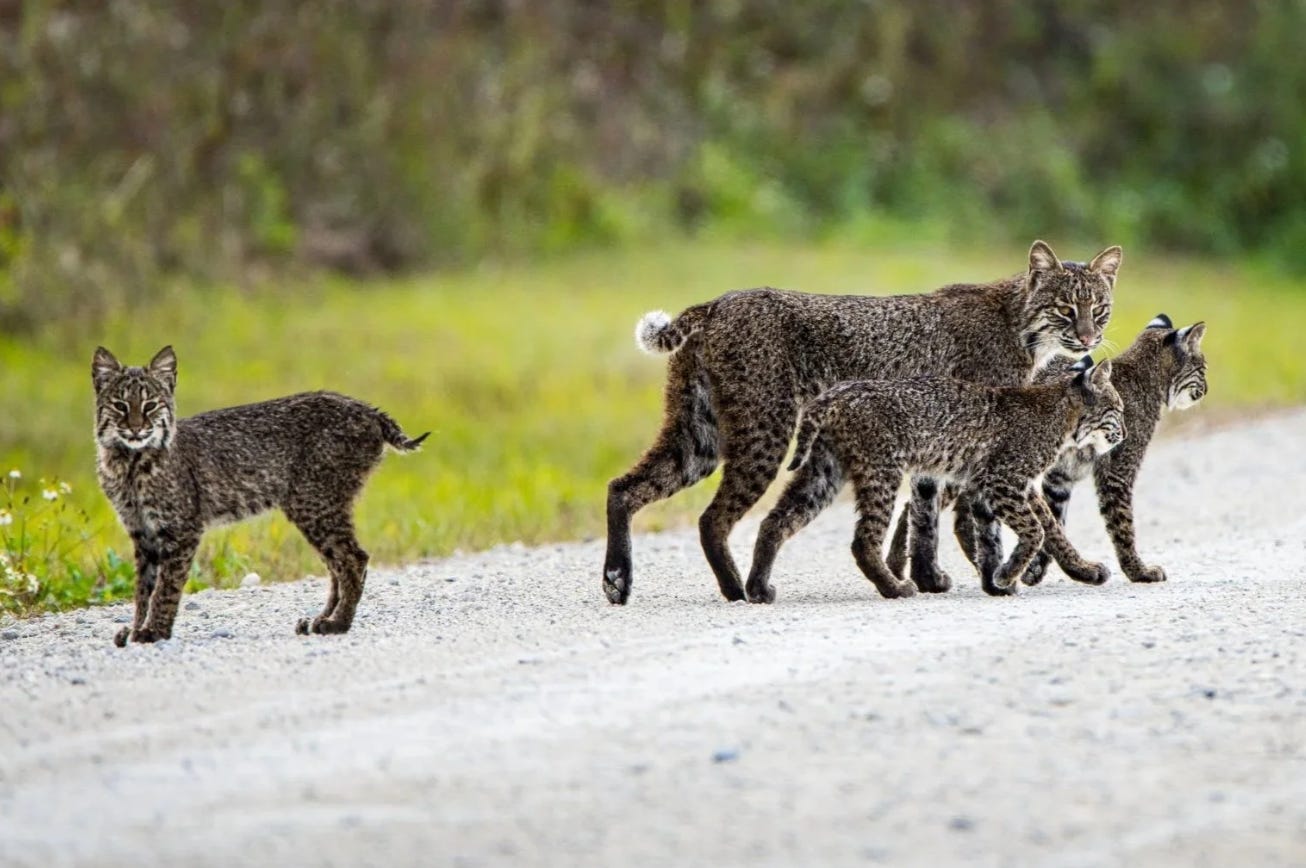
The Wildlands Network has a clear focus on reconnecting nature, to restore wildways that allow fauna to travel is it needs to for healthy ecosystems to flourish. But that rationale usually doesn’t sway a majority to spend millions on tunnels and bridges under and over railroads and motorways. What sways opinion is perfectly visible with the example Virginia, where legislators have just approved the Wildlife Corridor Grand Fund that will allow the creation of such essential wildlife corridors.
The terrible truth is that traffication kills. The example of Virginia lays it out with stark clarity: “Every year, Virginia sees around 60,000 wildlife-vehicle collisions, costing the state over $533 million and putting both drivers and wildlife at risk. Properly designed wildlife crossings can reduce these crashes by up to 96%, and HB597 is the path forward to make that happen.” This type of clarity should make it abundantly obvious to decision makers in every single country around the world that nature tunnels and nature bridges are in the best (and money-saving, too) interests of everybody.
8) New study shows that Europe was not one endless forest
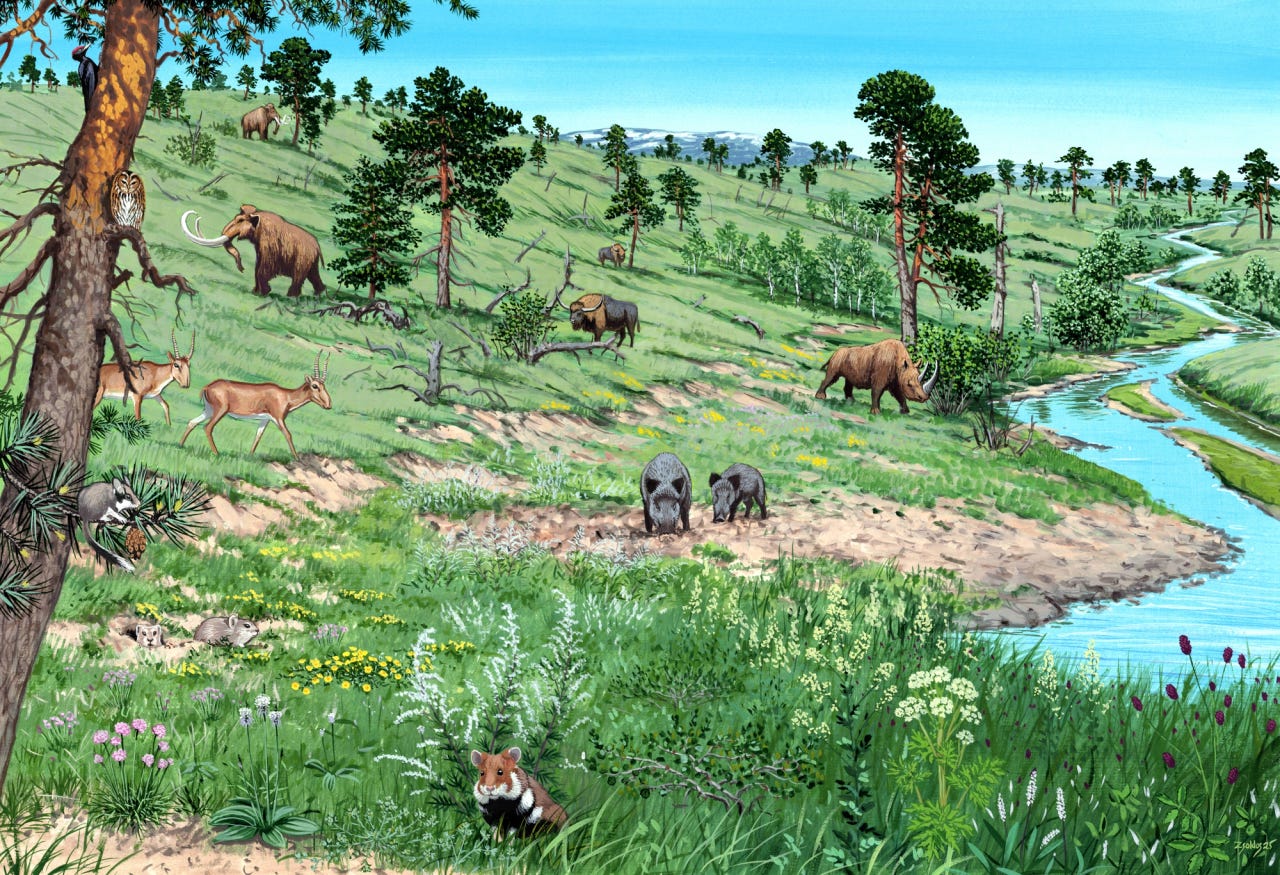
A common misconception that continues to linger is that Europe was once covered by vast and dense forests. The reality is a very different one as studies over the course of the past years have conclusively proven. A latest one, by the researchers at Aarhus University, solidifies these findings and adds further meat to the research bone. This addition is on farmland species. We have come to believe that cattle and some such have really only come about as they have because of the emergence of agriculture.
The truth is that they were widespread long before farming began. As the study highlights, this perceived dependency between farmland species and farming as we know it may limit new thinking in nature restoration. With a specific focus on Denmark, the study points out that, “Denmark generally lacks space for nature - including forest ecosystems. But the research suggests that more space alone may not necessarily be enough. There is also a need for dynamics, variation, and natural disturbances if biodiversity is truly to be strengthened.” It’s high time we let cattle roam wild!

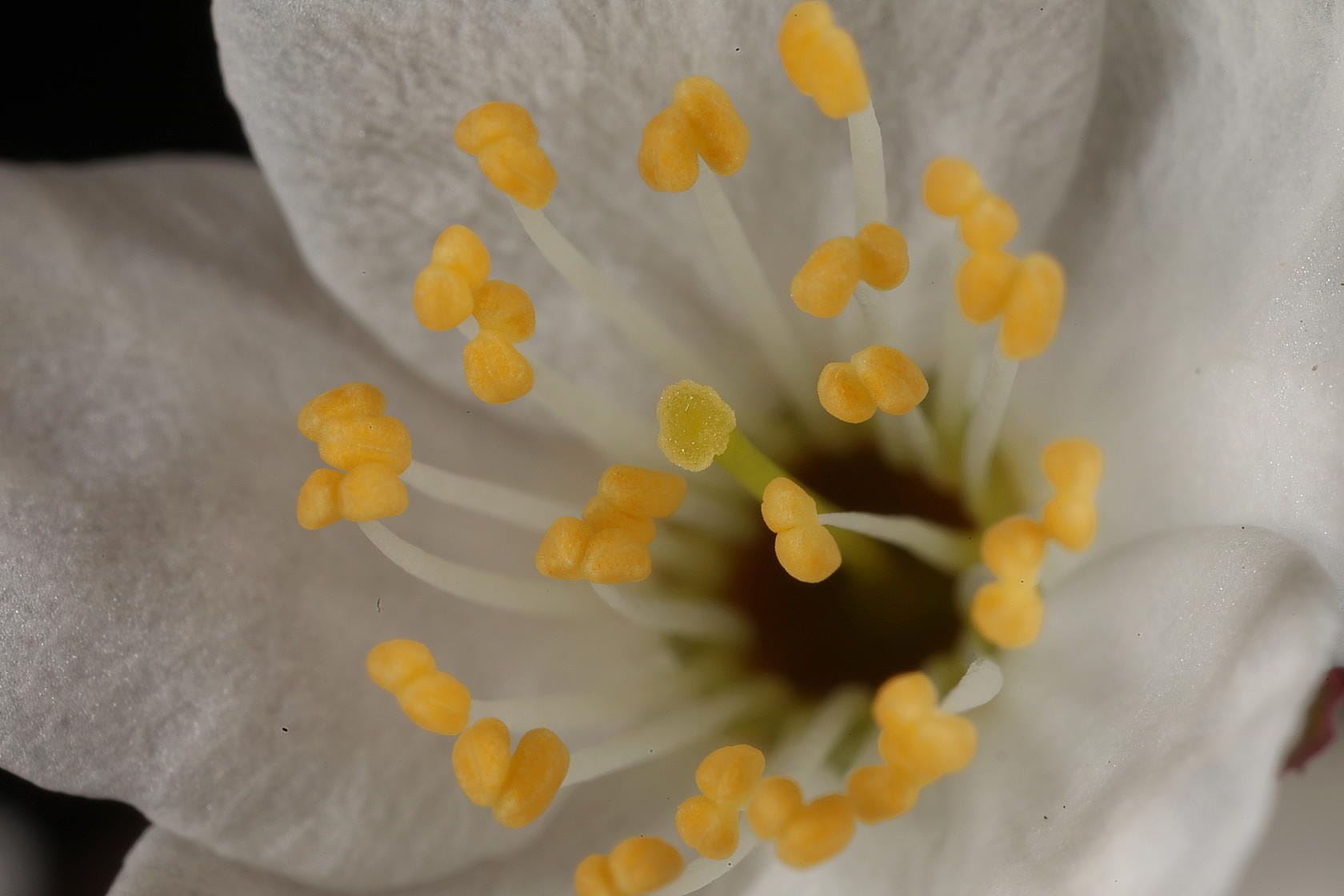
To conclude this week’s edition, rewilding legend and Trees for Life founder Alan Watson Featherstone shares with us a bit of his iconic photography that often takes a look at nature in a way that’s far closer to what we ordinarily perceive in passing. Alan takes time - as we all should. Here Alan shares a close-up of a cherry plum tree flower. Every single one of his images, if you really take the time to let them sink in, leaves you in awe of nature’s countless wonders.
To find out more about Alan, his public speaking, writing, photography and more, visit him at alanwatsonfeatherstone.com. And if you feel like reading about my fantastically unique day with him in Glen Affric, go here.
Glad you’re here, reading the Rewilder Weekly. Share the stories, write your own (and let me know about it), engage with others. Let’s continue to reach out, inspire and activate ever more people around the world. The rewilding movement is growing, and with all of us pitching in, it’ll grow a great deal more!
That’s it for this week’s edition. Eager for more rewilding insights?
connect with these organizations - sign up for newsletters and support them in any way you can;
join these events - conferences, online seminars, rewilding days and weeks to immerse yourself and learn from the experts;
read these books - a selection from Foreman to Macdonald, and from Tree to Daltun, Hetherington and Bowser;
listen to these podcasts - it’s inevitably inspiring when the likes of James Shooter, Ben Goldsmith and Brooke Mitchell talk to the pros in the field;
and check out these resources - explore the principles, ways of funding, research publications and personal ways to start rewilding.
And, of course, connect with and follow the many passionately engaged rewilders. Let’s keep growing the movement! 🦬🌳🐺🌞🌍
Go ahead, do it! 😊 I love comments and you can ask me anything (literally). You can also let me know about projects you come across, article you think I should share - and feel free to throw in tough questions, too - spice of life!
Oh, and please do click the ❤️ (like) button, too. The more ❤️, the more these posts rise in Substack’s algorithm - which means more and more people will discover rewilding, will learn about it, will engage around it, and hopefully will become active rewilders before long. Thanks!