


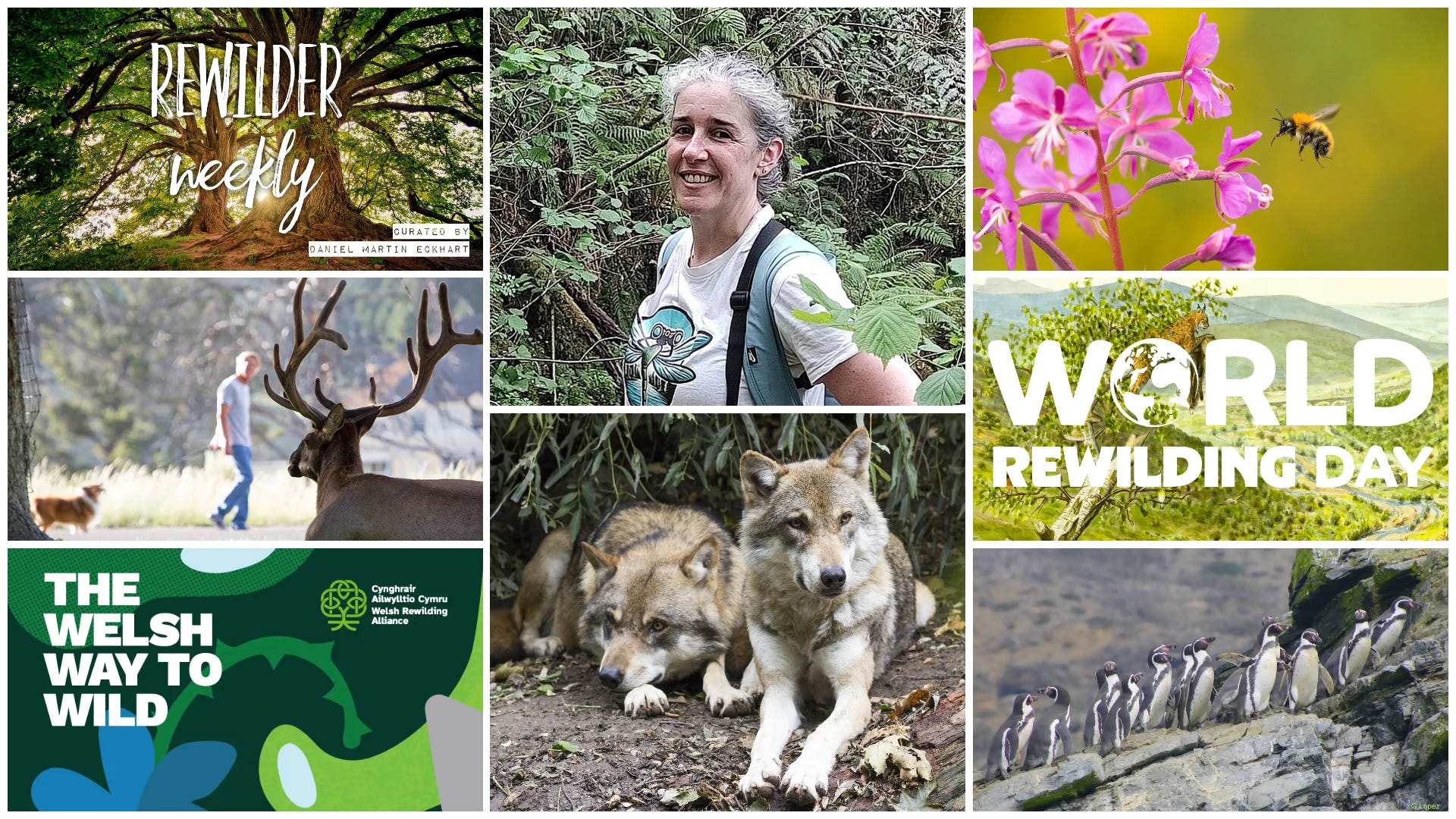
Welcome to the latest edition of the Rewilder Weekly. 🦬🌳🐺🌞🌍
This week with the latest rewilder portrait - featuring biologist Atocha Ramos - as well as inspiring and insightful stories from 🏴 Scotland,🇨🇭Switzerland, 🇮🇪 Ireland, 🇨🇱 Chile, 🏴 Wales, the 🇺🇸 US and 🇨🇦 Canada.
Wishing you a good week!
Cheers,

👉 If you come across stories you’d like to see featured in a future edition of the Rewilder Weekly, send them to me and I’ll gladly do what I can.

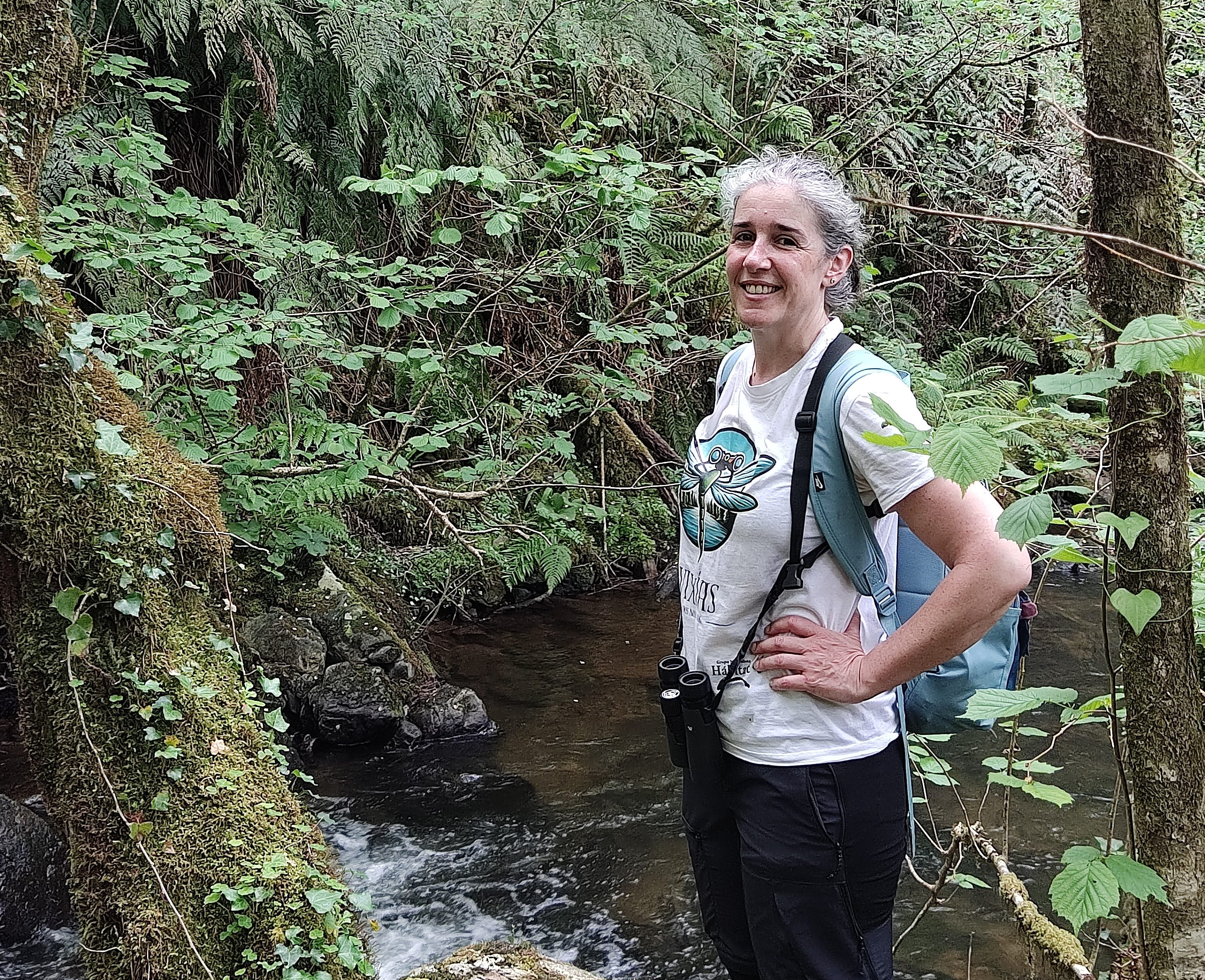
1) Meet the Rewilders: Atocha Ramos
Meet the Rewilders is a series that introduces you to people engaged in the rewilding movement across the globe. Today meet Galician biologist Atocha Ramos who focuses her time and energy on wildlife monitoring, habitat restoration, and environmental education. She’s currently with Grupo Naturalista Hábitat, a conservation NGO.
When asked about her favorite place in the world she refuses to say, and I love it! She says if more people would know, the island would be overrun before long. More people need to think that way - often the best thing we can do for nature is to enjoy it from a respectful distance.
Atocha writes, “For me, loving and caring for nature is a daily and fundamental practice; it is our home! And it sustains us. I cannot understand how there are people who care little or nothing about the natural environment.” I’m so with her in what she says will hopefully have happened in ten years’ time: “A paradigm shift in the way we live on this planet: less consumerism, less neoliberalism, less impact, more degrowth, and more respect for this planet.”

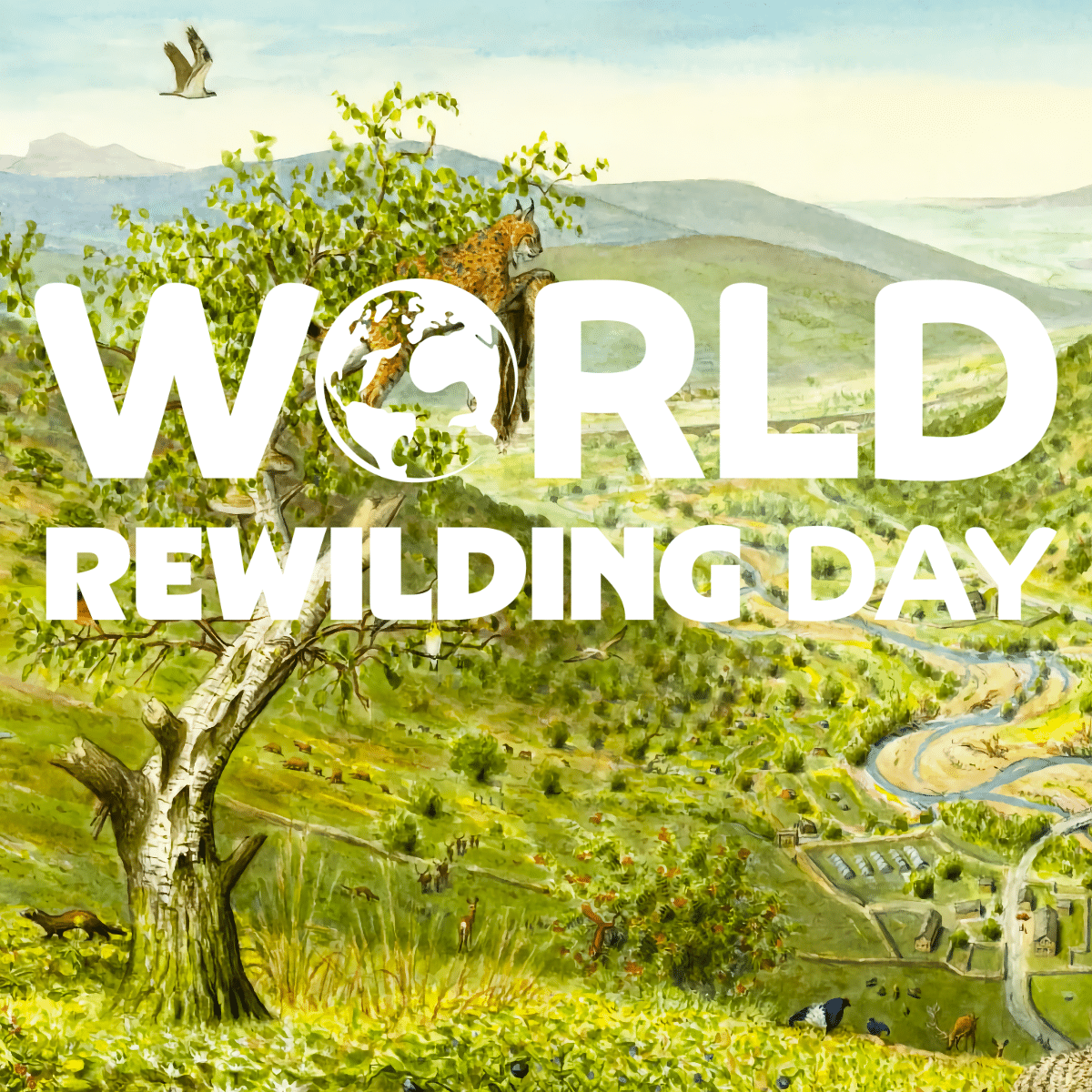
2) March 20th marks World Rewilding Day - BE THERE!
We get to choose our own future - and countless rewilders around the world are already doing just that. This year’s call to action is indeed #ChooseOurFuture and the Global Rewilding Alliance and many others are calling on all of us to play our part (every day, of course, but especially vocally on this day). Mark the 20th of March in your calendar and on that day make your rewilding voice heard!
As the GRA rightly writes, “World Rewilding Day is a key moment to demonstrate the global presence, relevance, and momentum of the rewilding movement, showing the world what rewilding looks like in action. By taking part, as an organisation or a citizen, you contribute to a powerful, unified narrative: one where hope is grounded in evidence, and a thriving future is already being built. When we show up together, our impact is amplified, and our movement becomes impossible to ignore.”
3) Rewilding delivers dramatic wildlife recovery across Scotland
SCOTLAND: The Big Picture coordinates the Northwoods Rewilding Network, a network of over 100 landholders who are committed to nature recovery and share a vision for an ecologically restored landscape, where natural processes are reinstated, habitats are better connected and species can recover and thrive. Network partners agree on adhering to the Northwoods 9 rewilding principles.
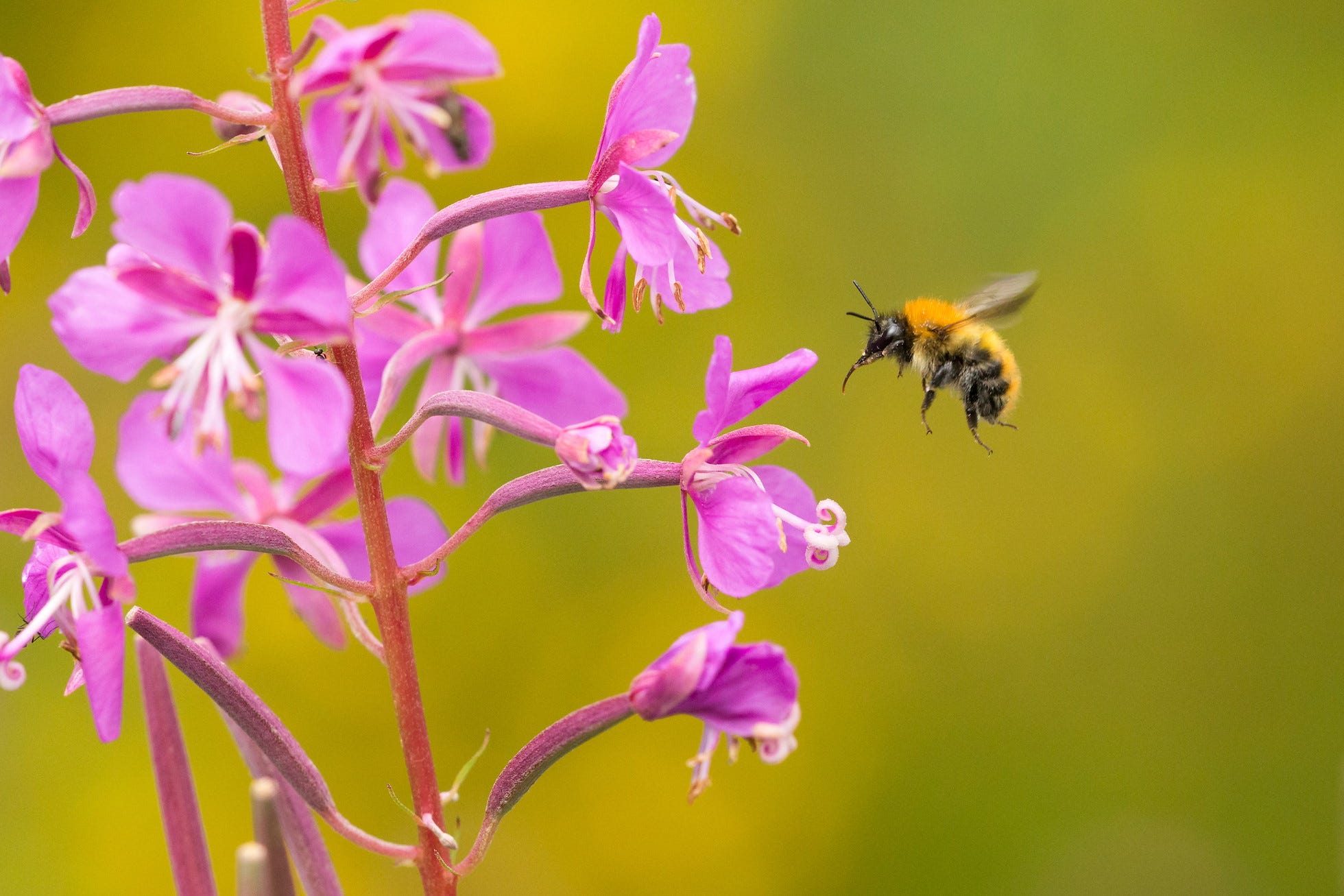
A new study has analyzed 11 Northwoods sites right next to non-rewilding sites. The findings are abundantly obvious: “On rewilded land, biodiversity surged across the board, with the number of bird species up 261% and their breeding territories up by 546%. For pollinators, the variety of bumblebee and butterfly species more than doubled, their abundance increased over tenfold, and the number of nectar-rich plants they could use in the rewilded areas rose by around 250%.’”
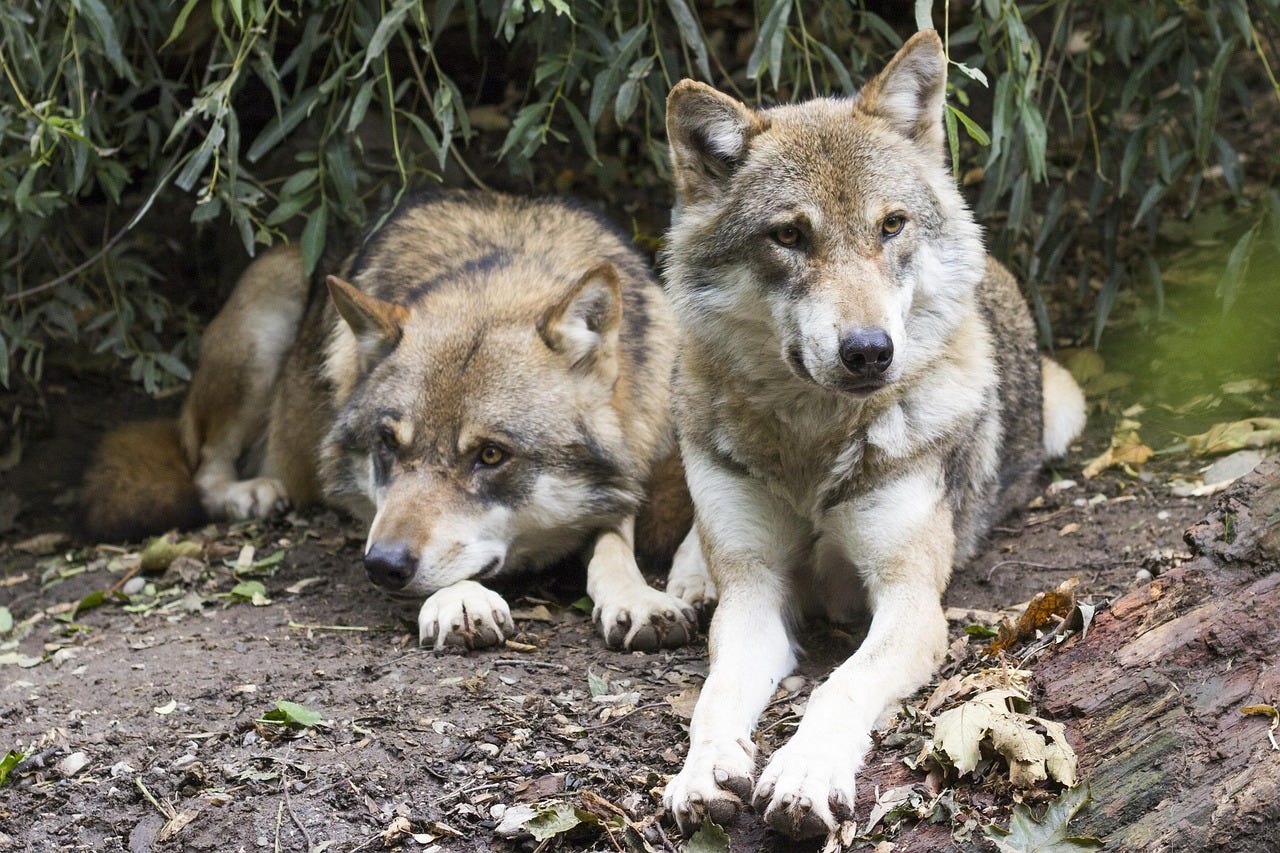
4) Switzerland’s massively misguided and failed wolf regulation efforts
Peter Dettling has been researching wolves since 2005, and this from the Canadian Rockies, to Yellowstone, to Switzerland. He’s written several books on wolves and lives in the Swiss canton of Graubünden, where wolves have naturally returned (and are these past years ardently hunted and slaughtered again). In a new report, he lays out his findings from the canton’s wolf regulation with its focus on killing. “What is being sold as a proactive regulation that helps to curb population growth and foster coexistence, proves under closer inspection to be an ineffective, disastrous, and exorbitantly expensive experiment.”
In his paper, he argues for a path where Switzerland wouldn’t be derided for its failed wolf policies, but would instead become a model to attract worldwide admiration. “Instead of investing enormous amounts of time, energy, and taxpayer money in a counterproductive, experimental, never-ending, and highly destructive wolf regulation effort, the focus should be on professional livestock protection measures, direct financial support for mountain farmers, and transparent, politically independent wolf research and communication.”

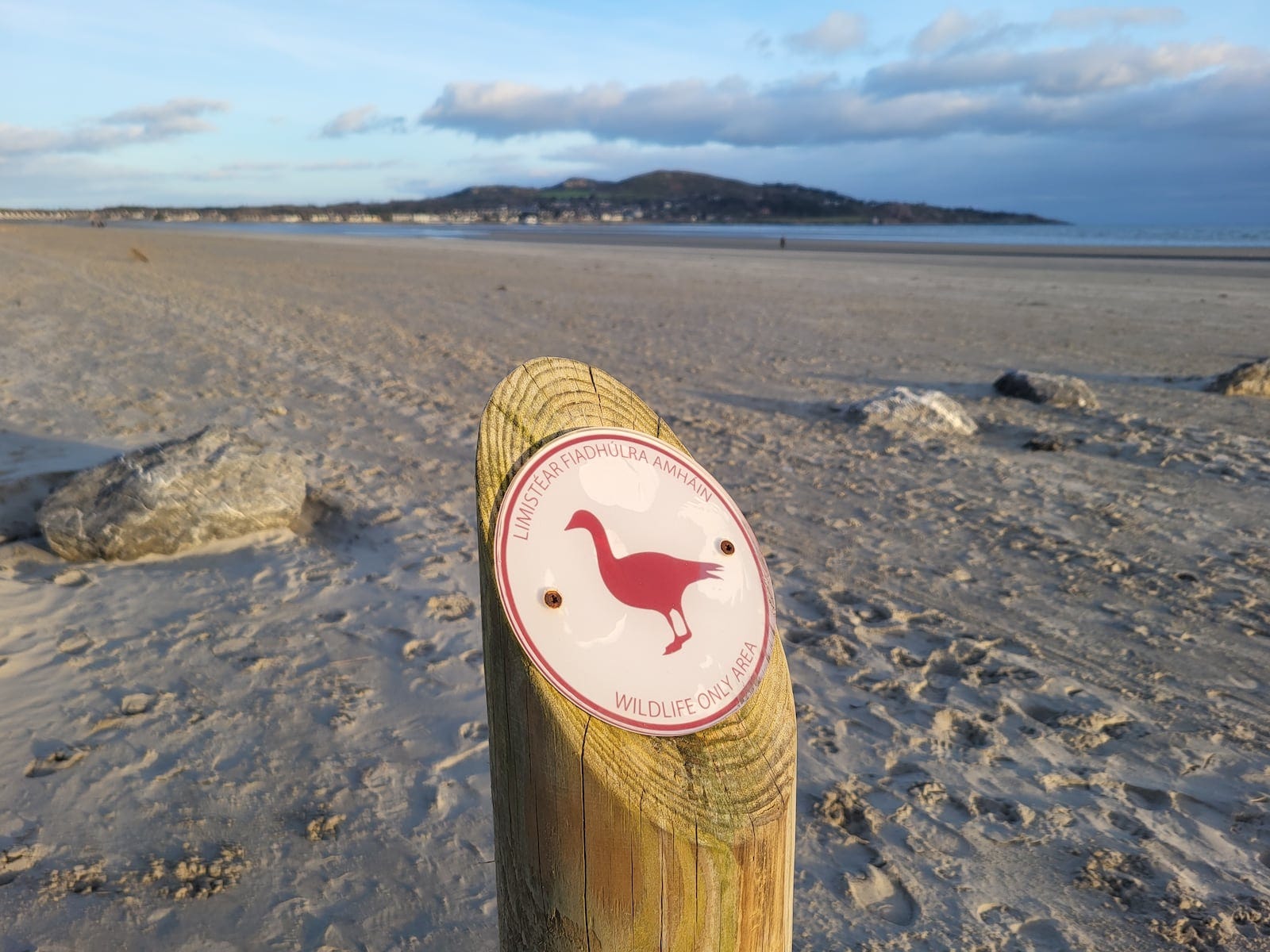
5) The consequences of Dubliners’ disregard for Bull Island’s nature
In quite a sobering article in the Irish Times, Pádraic Fogerty takes a closer look at Bull Island in Dublin Bay, and how Dubliners are mistreating it. According to Wikipedia, this island has the most designations of any site in all of Ireland - it is “a National Bird Sanctuary, a biosphere reserve, a National Nature Reserve, a Special Protection Area under the EU Birds Directive, and a Special Area of Conservation under the EU Habitats Directive, while also being the subject of a Special Amenity Area Order.”
There’s all of that on one hand, but on the other there’s what you’ll read in the article. Plenty of people, instead of appreciating and respecting nature, see a greater priority in their bait digging and letting their dogs run wild through sanctuary lands. I’m reminded of what Atocha Ramos (see above Meet the Rewilders portrait) said about not wanting to name her favorite place. Unfortunately, that seems to be what it takes! I’m also reminded of right-to-roam in Scotland where I at times had a feeling that it just went way too far - too much permission for humans to intrude just about anywhere, to few places where nature doesn’t have to deal with us.
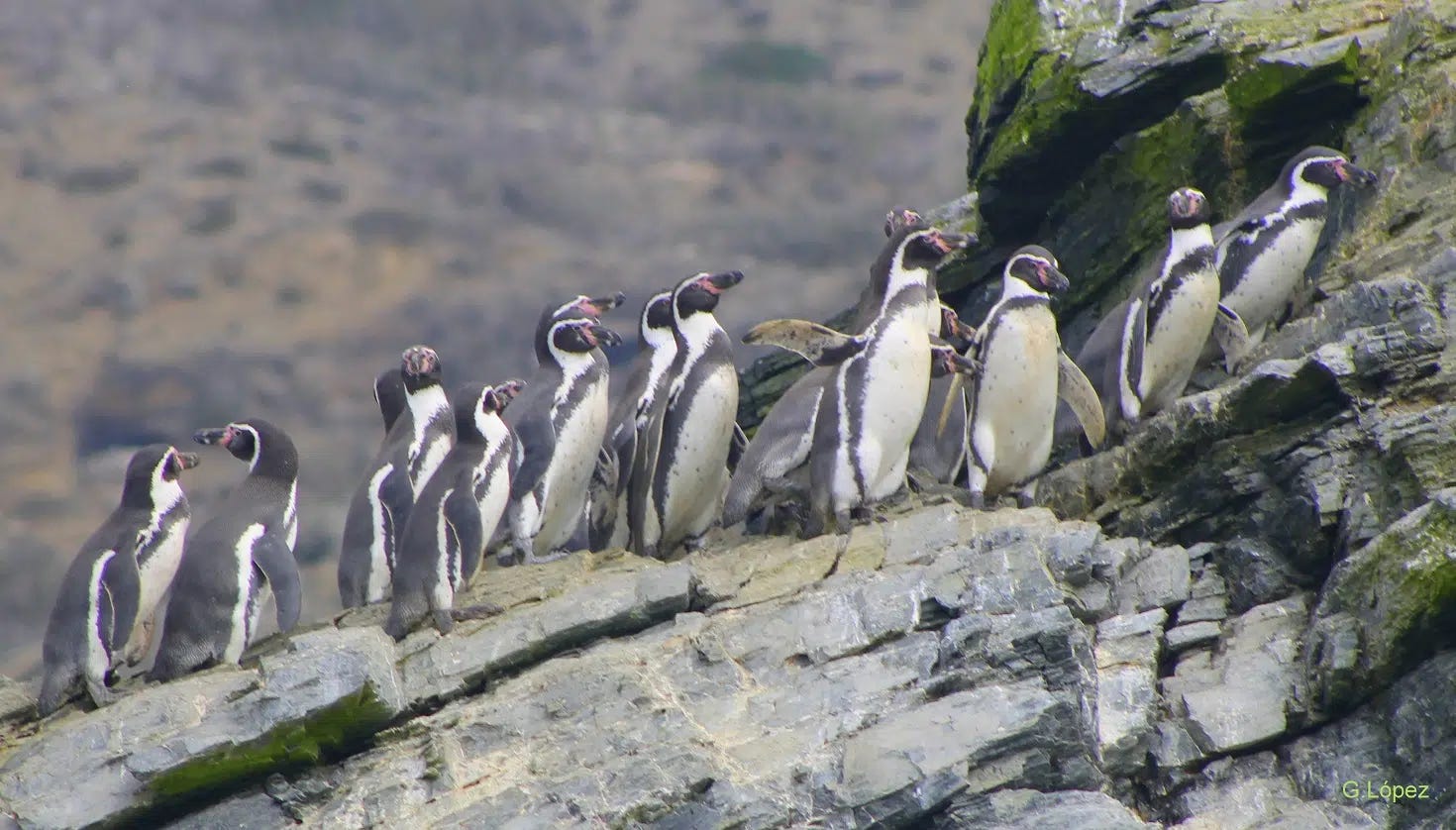
6) Chile chooses nature over mines, penguins over billions
An initiative to create an iron and a copper mine with an estimated investment of 2.5 billion dollars, has been rejected by Chile’s Court of Appeals. The committee of ministers had already rejected it, but of course the corporate giant behind the plans filed an appeal. If you’ve ever seen such mines, you’ll immediately be able to grasp the devastating impact to nature without knowing the first thing about the science. Feel like taking a glimpse at a copper mine in Chile? 👉 go here
The project, both the mining operations and especially also the plant port in the very heart of the Humboldt Penguin National Reserve would have dramatically changed marine and coastal ecosystems. In this case, it won’t happen - thank you penguins! The vulnerable species was the most visible ambassador to fight the project and protect nature. But it is even bigger than just this one project: “The definitive rejection of the Dominga project marks a key precedent in Chilean environmental policy, showing that judicial and ministerial decisions can align with biodiversity protection against economic interests. It also reflects a cultural shift: Chilean society increasingly demands that economic development be compatible with the conservation of its unique ecosystems.”

7) Get to know the new Welsh Rewilding Alliance!
The Welsh Rewilding Alliance is a brand-new movement that unites Welsh organizations, landowners, communities and decision-makers with the clear aim of bringing back thriving ecosystems, while boosting rural livelihoods and celebrating Welsh landscapes and wild nature. Their five proposals for a wilder Wales are entirely down-to-earth with a holistic focus on natural grazing, large scales, species reintroductions, community right-to-buy land; and flood mitigation with wetlands management.
Their new Welsh Way to Wild report marks a clear starting point as it is clear-eyed about the nature of Wales’ past, present and potential future: “Landscape change is coming to Wales, whether we choose it or not. Economics, demographics and climate change are making the need for adaptation inevitable.” What they see isn’t bleak, what they see is filled with hope and pride: A nature-and-people-positive way forward for Wales. As they put it: “Rewilding is repopulation.”
8) Living with wildlife in the Yellowstone to Yukon region
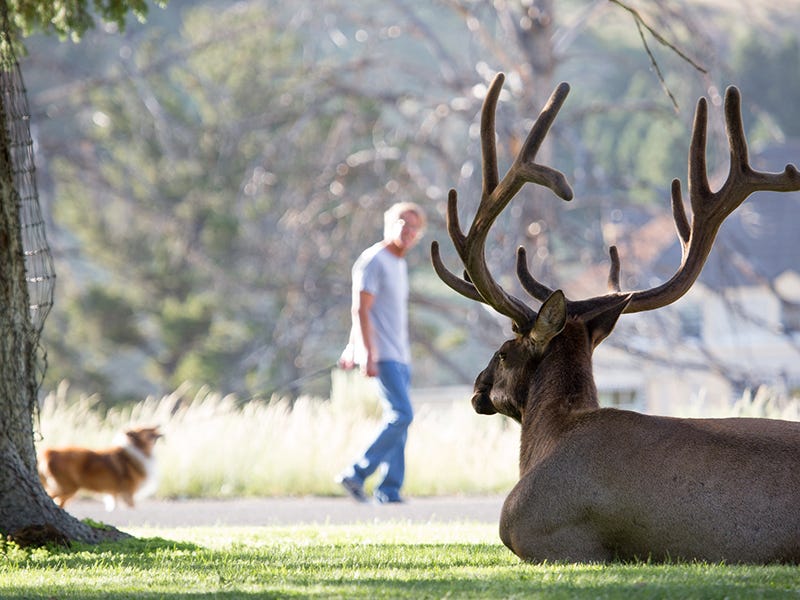
When you read this informative piece by the Yellowstone to Yukon Conservation Initiative, and if you’re in central Europe like me, you cannot but realize just how much we have lost. We are so, so far removed from a landscape where part of your daily life is being mindful and respectful of nature. They write: “Here, nature shapes daily lives and the local economy. Living in the world’s most intact mountain system brings incredible benefits to our communities, from ranching to outdoor recreation, to homesteading and hunting. With these benefits comes the responsibility to continue to live up to the legacy of the land and keep both people and wildlife safe and thriving for generations to come.”
I’m in Switzerland where just about everything’s neatly organized and prettily maintained. Hiking paths everywhere and everyone and their dogs are happy to enjoy them. How many of us do the following (as in Y2Y regions): How many of us learn about wildlife and respect their needs; give them lots of space, especially also during the night; stay on trails; leave no traces and keep dogs on the leash? And how many of us wander through nature, loving it, but entirely with a sense that, above all, this is all there for our recreational enjoyment?

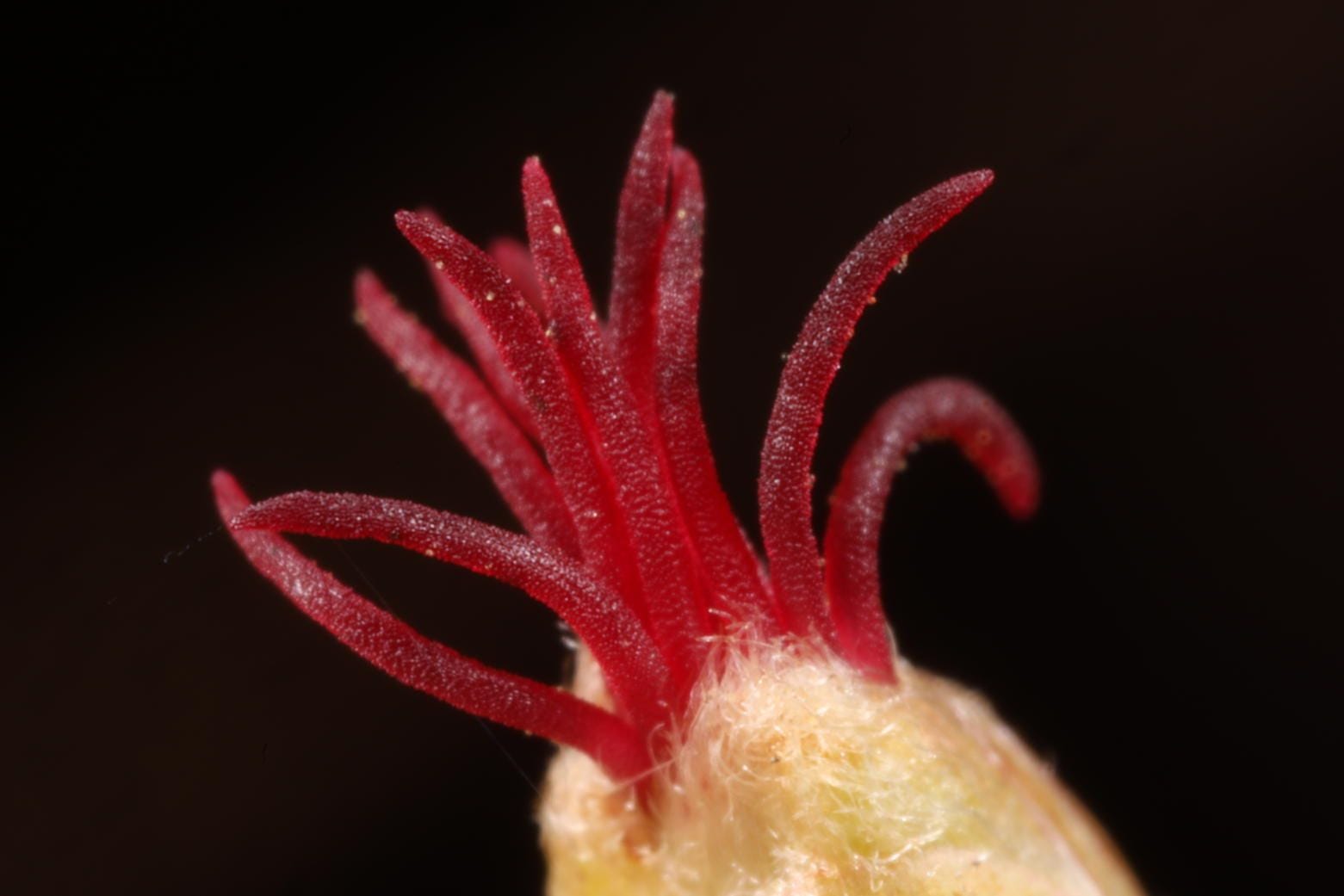
To conclude this week’s edition, rewilding legend and Trees for Life founder Alan Watson Featherstone shares with us a bit of his iconic photography that often takes a look at nature in a way that’s far closer to what we ordinarily perceive in passing. Alan takes time - as we all should. The below image is amazing - and most people never see it! Everyone knows the catkins on hazel trees - but most don’t look close enough to see the below flower. Alan explains: “There are lots of catkins on the hazel trees at the moment, making them visible and distinctive at a time when other trees are still leafless. They are the male 'flowers' of hazel that release pollen to fertilise the female flowers. Those are less well-known, as they are much smaller and far less conspicuous, but they are vibrant in their intense colour, and are beautiful in their form.”
To find out more about Alan, his public speaking, writing, photography and more, visit him at alanwatsonfeatherstone.com. And if you feel like reading about my fantastically unique day with him in Glen Affric, go here.
Glad you’re here, reading the Rewilder Weekly. Share the stories, write your own (and let me know about it), engage with others. Let’s continue to reach out, inspire and activate ever more people around the world. The rewilding movement is growing, and with all of us pitching in, it’ll grow a great deal more!
That’s it for this week’s edition. Eager for more rewilding insights?
connect with these organizations - sign up for newsletters and support them in any way you can;
join these events - conferences, online seminars, rewilding days and weeks to immerse yourself and learn from the experts;
read these books - a selection from Foreman to Macdonald, and from Tree to Daltun, Hetherington and Bowser;
listen to these podcasts - it’s inevitably inspiring when the likes of James Shooter, Ben Goldsmith and Brooke Mitchell talk to the pros in the field;
and check out these resources - explore the principles, ways of funding, research publications and personal ways to start rewilding.
And, of course, connect with and follow the many passionately engaged rewilders. Let’s keep growing the movement! 🦬🌳🐺🌞🌍
Go ahead, do it! 😊 I love comments and you can ask me anything (literally). You can also let me know about projects you come across, article you think I should share - and feel free to throw in tough questions, too - spice of life!
Oh, and please do click the ❤️ (like) button, too. The more ❤️, the more these posts rise in Substack’s algorithm - which means more and more people will discover rewilding, will learn about it, will engage around it, and hopefully will become active rewilders before long. Thanks!
Great compilation of stories, Dani. Glad you are featuring the one on Chile. Extraction economy is a broken proposition in Chile and the rest of the world.