


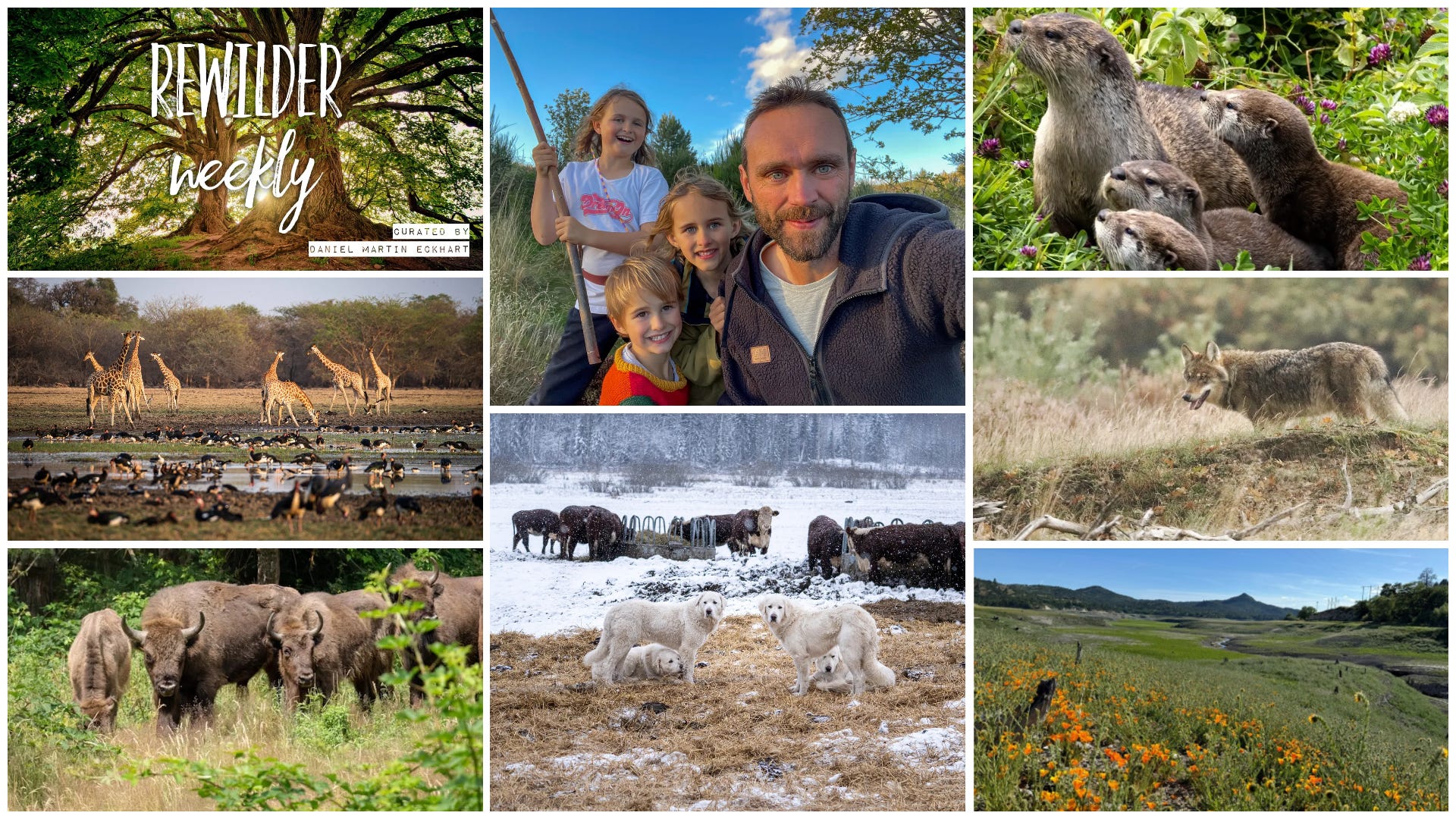
Welcome to the latest edition of the Rewilder Weekly. 🦬🌳🐺🌞🌍
This week with the latest rewilder portrait - featuring Sam Hesling - as well as inspiring and insightful stories from across 🇪🇺 Europe; 🇹🇩 Chad; 🇨🇦 Canada and the 🇺🇸 US.
Wishing you a good week!
Cheers,

👉 If you come across stories you’d like to see featured in a future edition of the Rewilder Weekly, send them to me and I’ll gladly do what I can.

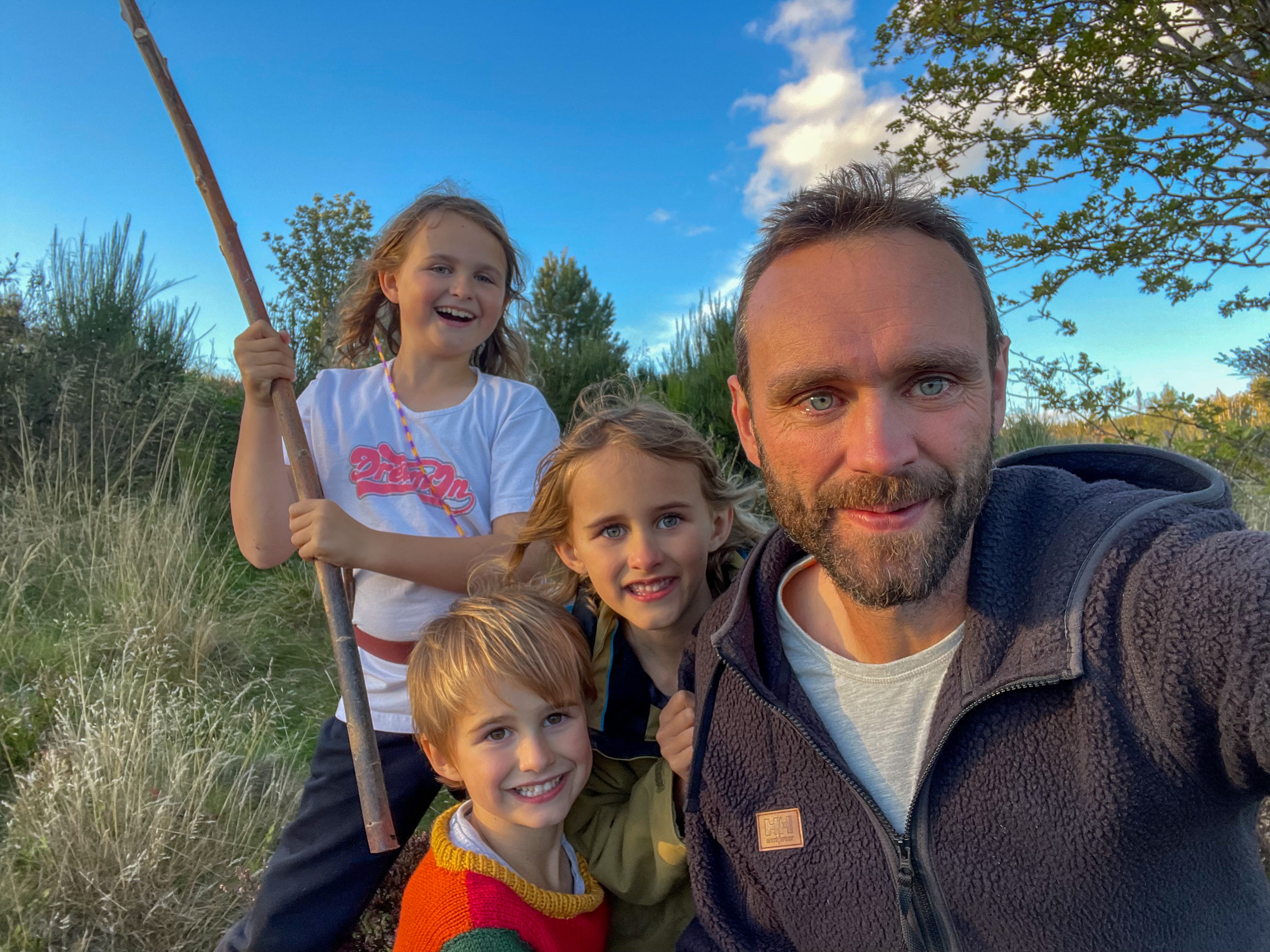
1) Meet the Rewilders: Sam Hesling
Meet the Rewilders is a series that introduces you to people engaged in the rewilding movement across the globe. Today meet Sam Hesling, who lives and works in the Scottish Highlands. Sam’s a family man, an ardent runner, and contracts manager for a contracting business that specializes in environmental restoration. He’s also on the board of trustees of the amazing Abriachan Forest Trust (where he also lives) and Scotland’s Trees for Life (going strong from the time it was founded in the nineties by rewilding legend Alan Watson Featherstone).
There’s lots to love and learn from Sam’s portrait. For me, one key element he drives home is just how important (and perilously neglected by countless many) nature for all of us. He writes, “I grew up on a rural upland farm. From before I can remember I have never felt a distinction or separation between being human and the natural world. I believe spending time outside, surrounded by other living things, is fundamental to our wellbeing (and maybe even our survival) as a species.”

2) Rewilding experiences reconnect you with nature
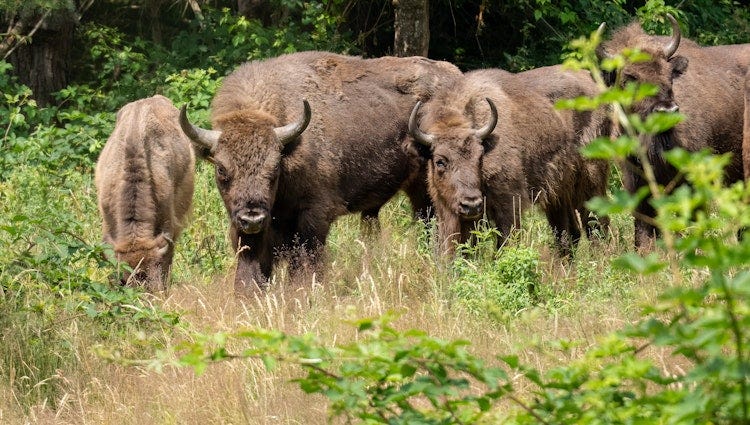
Rewilding Europe describes it like this: Rewilding tourism invites travelers to experience landscapes where wildlife is returning and natural processes are being restored. Guided experiences, wildlife observation and locally led initiatives generate income for communities and strengthen the case for a wilder, functioning landscape. Rather than only minimizing harm, rewilding tourism aims to create direct benefits for both nature and the people who live alongside it.
Explore Wilder Places, with its over one hundred and thirty already available rewilding experiences across Europe, and make your 2026 the year when you truly reconnected with nature. As Bart Schutz puts it, “Stepping into spectacular natural landscapes, encountering free-roaming wildlife, and connecting with wild nature doesn’t just inspire awe—it reconnects you with the natural world and creates lifetime memories. Rewilding experiences shift perspectives.”
3) African Parks leads nature recovery efforts in Chad
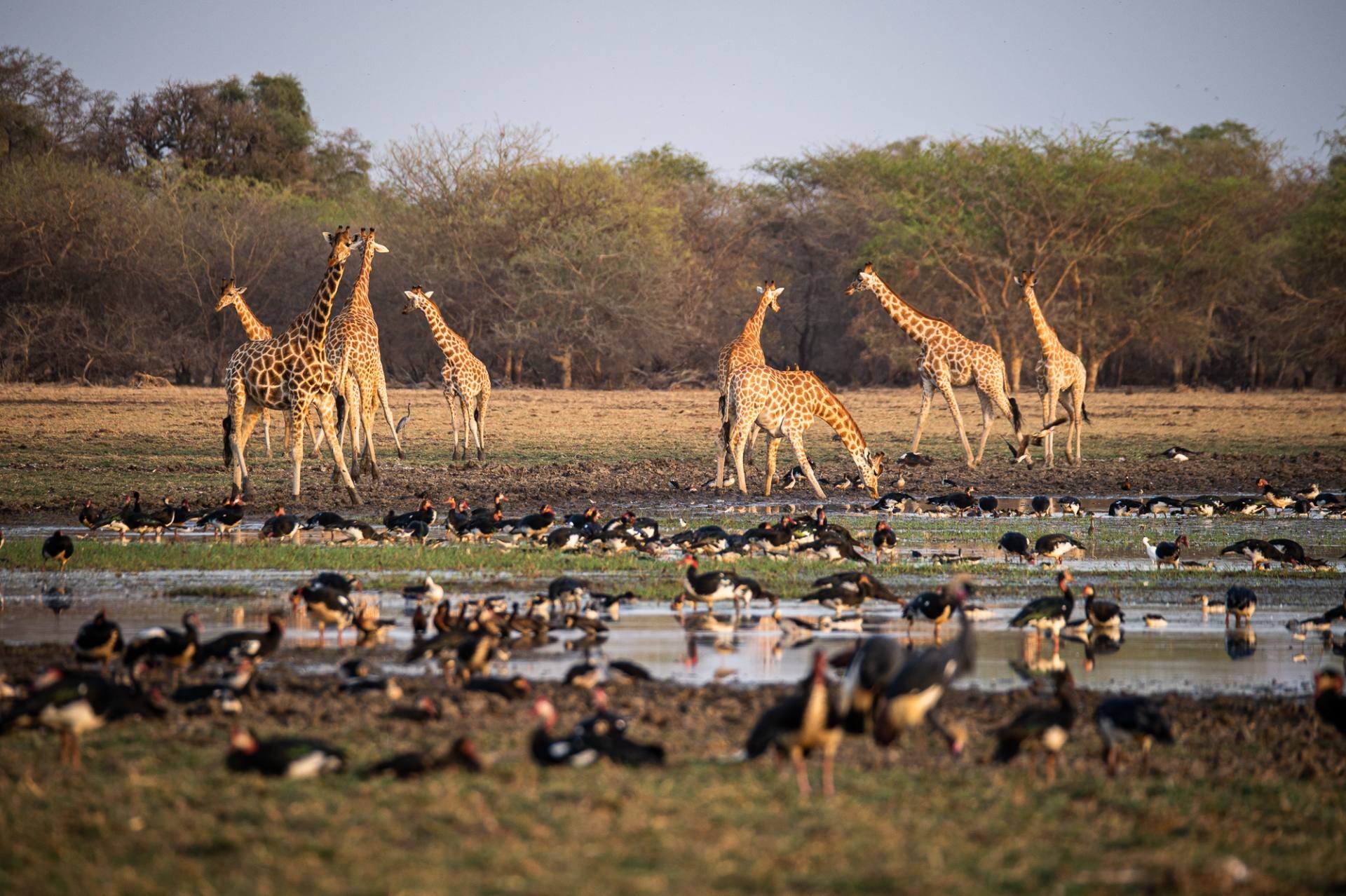
Travel accounts are a wonderful thing - you get to read about someone’s personal experiences and it’s often as if you were there with them. That’s certainly the sense you get from Ben Goldsmith’s report-back from his trip to Chad, where he traveled with African Parks co-founder and leader Peter Fearnhead to the Zakouma National Park and the Ennedi Natural and Cultural Reserve - both managed by African Parks.
Must have been stunning, you get a real sense of being there, surrounded by biodiversity-rich nature the like we in Europe can only dream of. As Ben writes in his piece, this is a matter of choice. We, in Europe, do have the choice and we can make biodiversity-rich nature happen here, too. In his words, “Sitting outside my small tent amid the sunset cacophony one evening it dawned on me that this kind of abundance was once to be found in places all over the world; even in Britain. Imagine the Somerset Levels before we drained and desecrated our most sacred landscape in the way that we have. We can have life back, if we choose it. It really is a choice. The Chadian government made a choice to restore Zakouma. We too can make the same choice in our most precious landscapes.”
4) In dubio pro natura
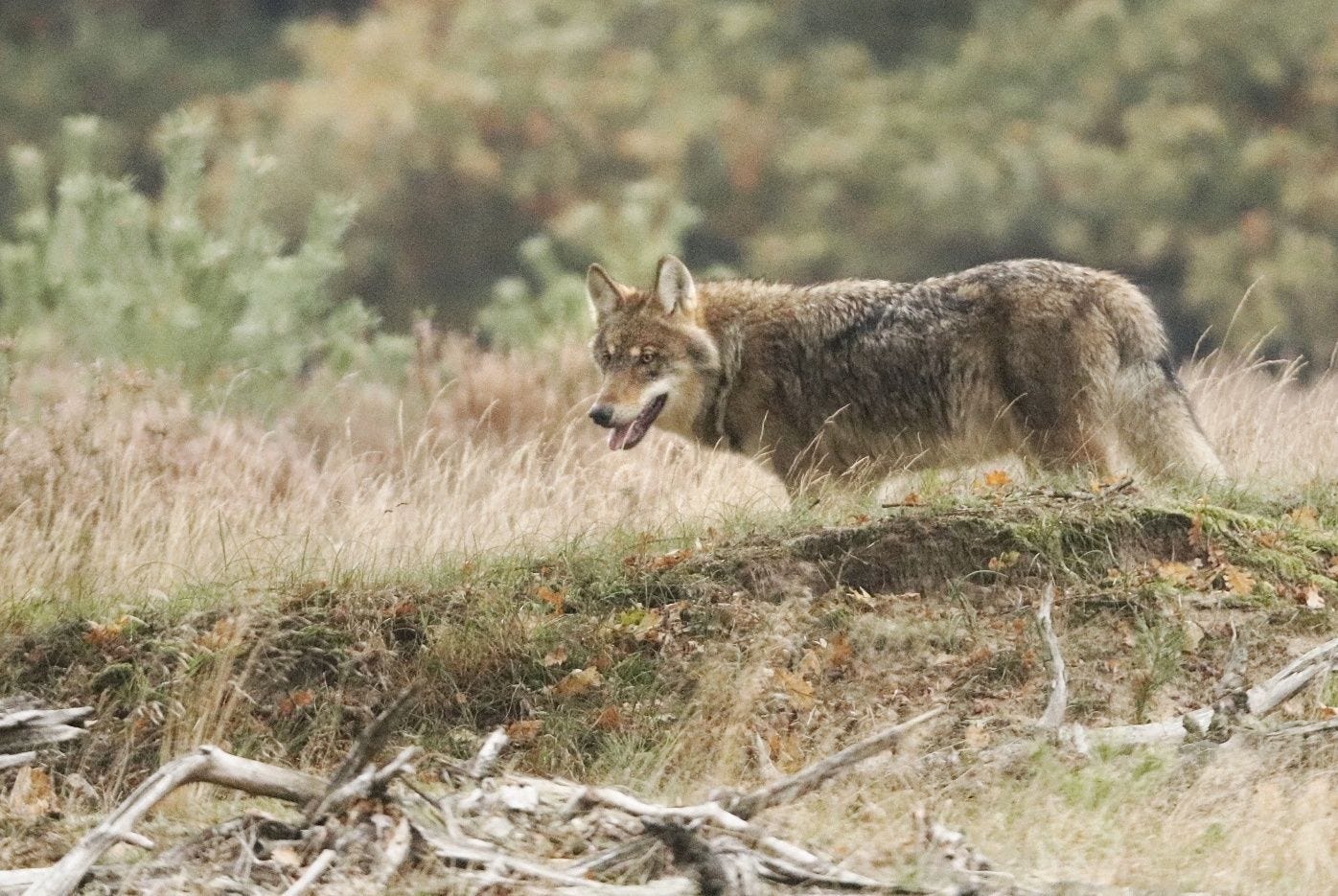
If in doubt, the precautionary principle should always apply. In a new article, professor of conservation law Arie Trouwborst has analyzed three recent rulings and explored their interpretations and implications. Essentially, when it comes to FCS (favorable conservation status), wolves (and other species) must be allowed to settle wherever the presence of wild prey populations invites them to do so.
This is useful information, whether for legal or communication endeavors. Arie explains - here just two of his findings: “FCS is not (merely) about saving populations from extinction, but about flourishing nature, in which each species is given ample opportunity to ‘fulfill its ecological function’” and “FCS is a minimum standard of an ecological nature, which may not be lowered or compromised because of economic, social, or cultural factors.” (from his concise post on LinkedIn)

5) The river otter’s remarkable comeback
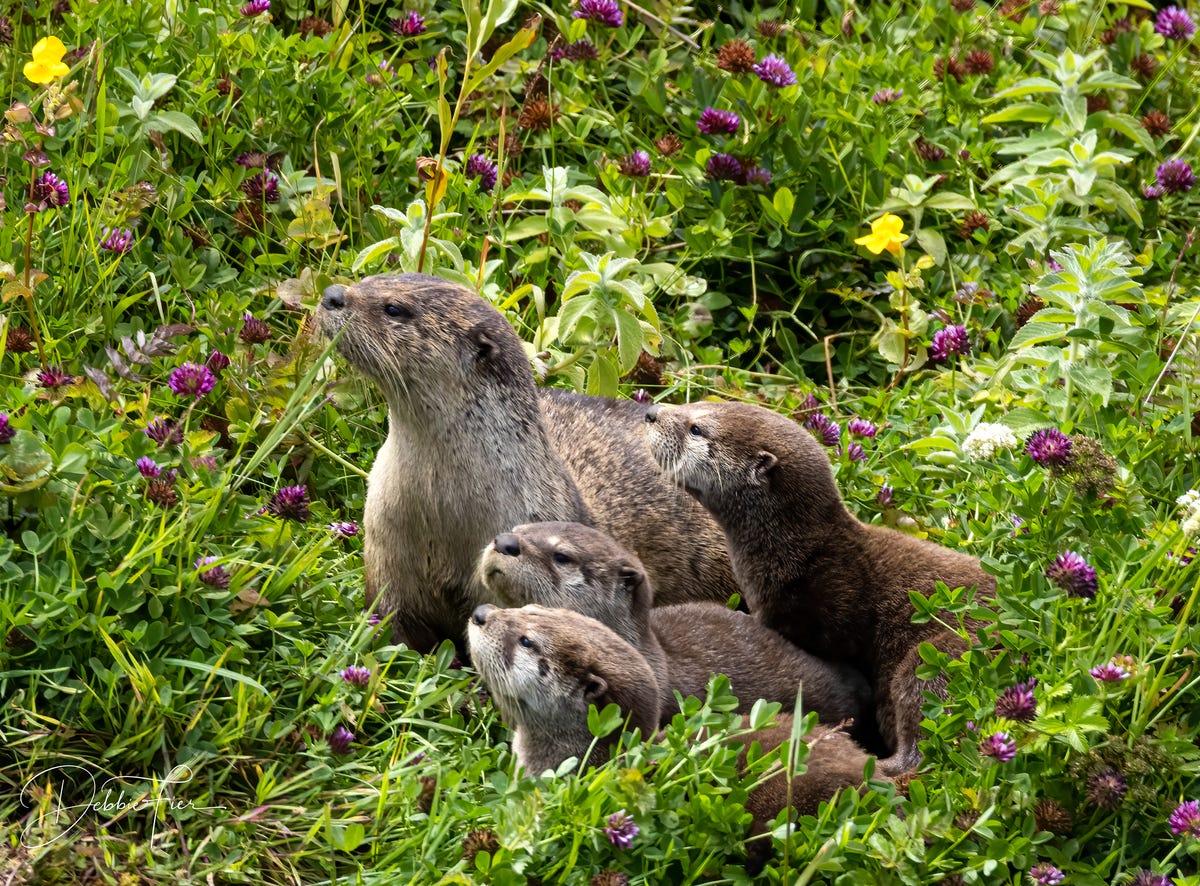
This story (and amazing pic) from the Rewilding Magazine: In North America’s Great Lakes region, river otters were practically gone. Pollution, trapping and habitat loss with wetlands drained for farming and cities, had led to ever fewer otters. Then there were also the rivers themselves, straightened, dammed and stripped. “What remained were faded accounts, the odd specimen in a museum, a memory. Their return isn’t just welcome. It’s a sign the lakes themselves are healing.”
The restoration work began in the 1980s, with otters relocated from as far as Louisiana and Arkansas. Today, river otters once more slip through marshes and estuaries across the Great Lakes basin. Breeding populations are thriving along the Sandusky, Maumee and Grand rivers in Ohio. Sightings are increasingly common in Georgian Bay (part of Lake Huron) and along Ontario’s north shore of Lake Erie. Otters have returned to Michigan’s Upper Peninsula too, where quiet backwaters and fish-filled streams are ideal habitat.
6) Klamath river restoration work is about much more than removing dams and returning salmon
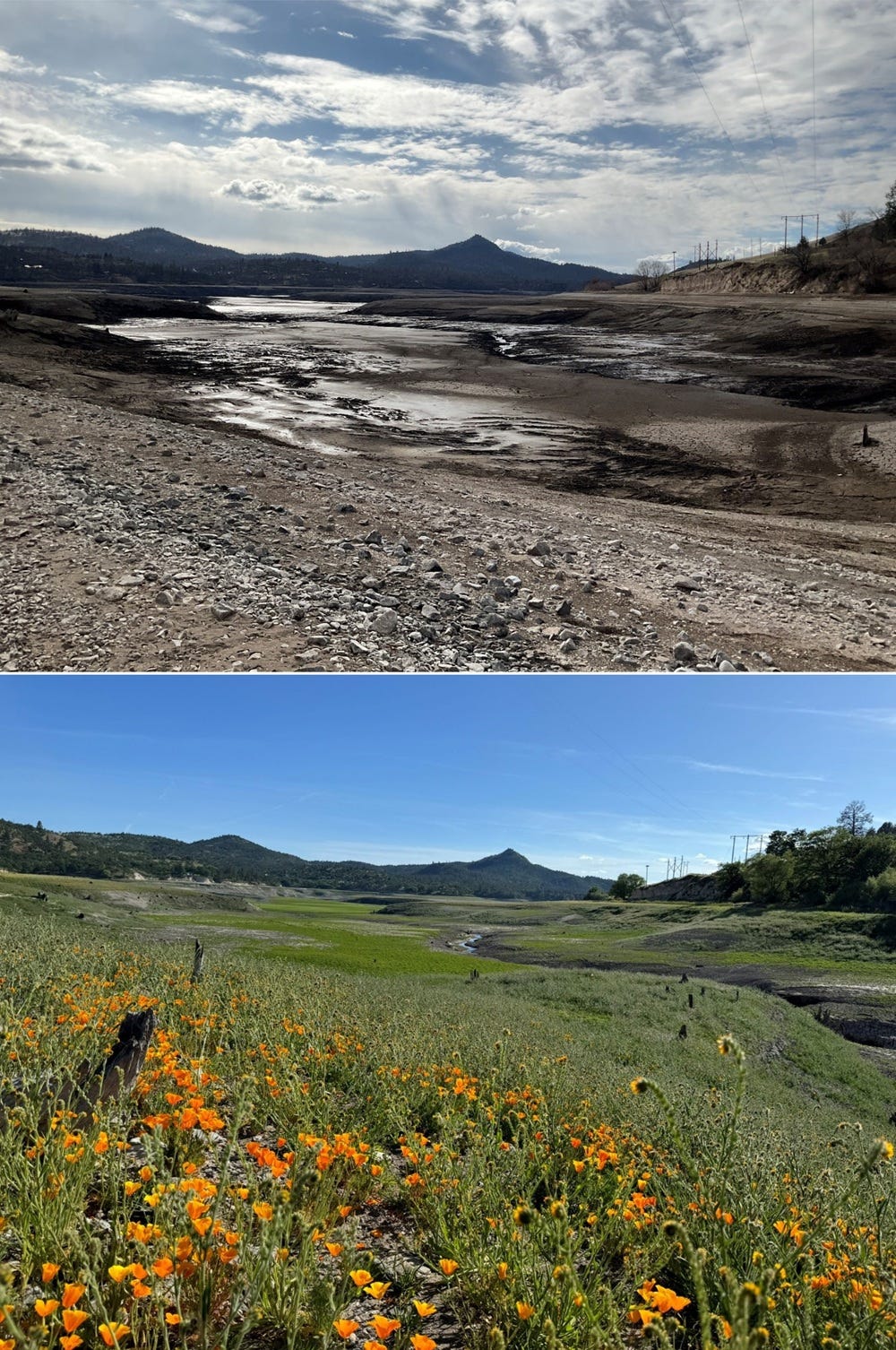
When the last dams were removed in Oregon and Northern California two years ago, the focus was pretty much exclusively on the return of the salmon. That surely was the most immediate and joyous things to see - the salmon are coming back! But riparian waterways had been devastated by decades of focus on dams and reservoirs. Now, all of what’s been biodiversity-impoverished and/or left below artificial water levels, is given a leg up - and just marvel at the difference with the above two pics!
This article focuses not on the salmon, but on the massive and ongoing work to do with restoring native vegetation. We’re talking billions of seeds, feet on the ground, seed collections, tree nurseries, helicopter seed dumps and on and on - this initial work is expected to continue for another five years. For flora and fauna, and especially also for local people - this restoration project comes with bountiful benefits.

7) Who gets to define coexistence?
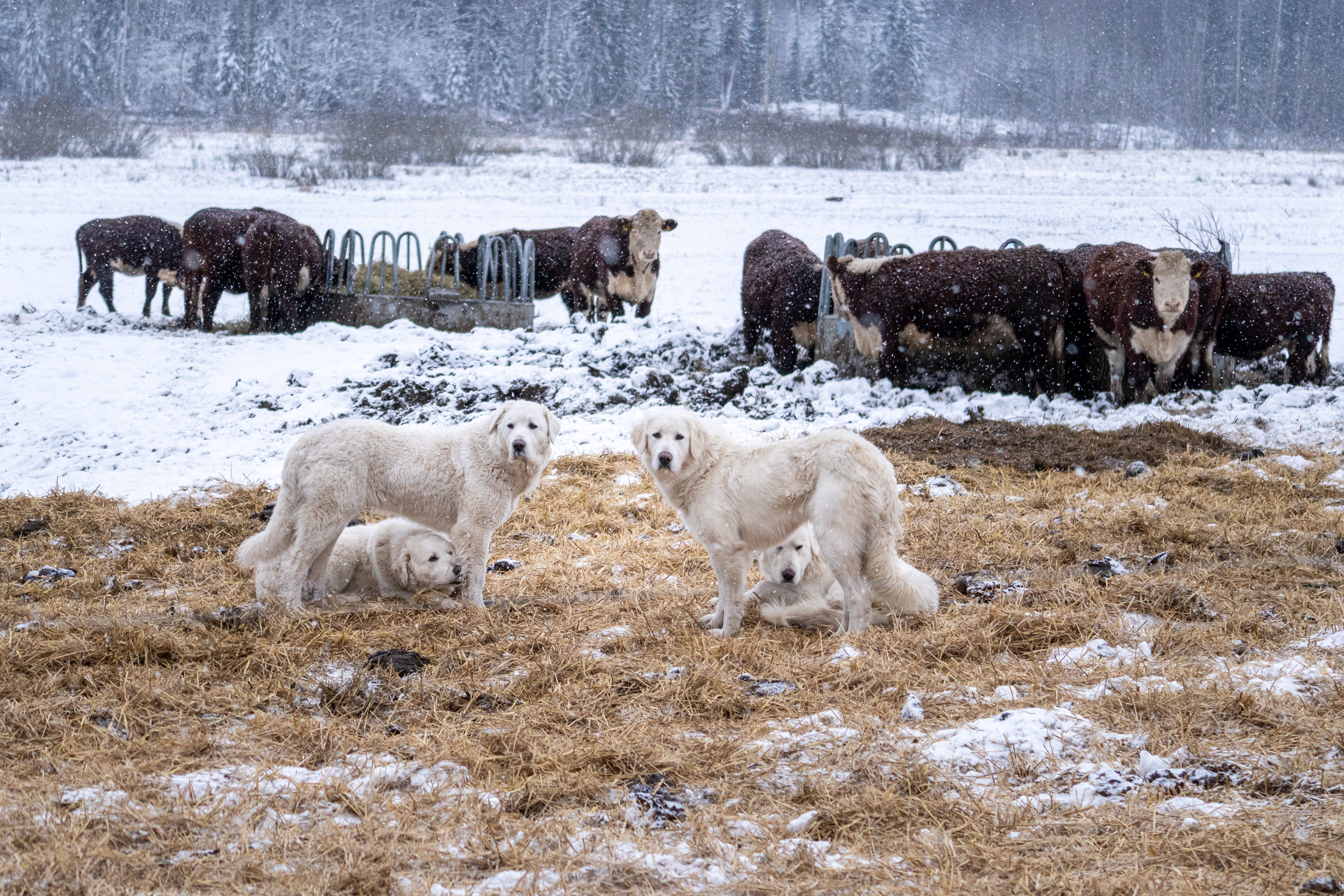
Executive Director of the International Wildlife Coexistence Network Suzanne Asha Stone is focusing on a topic that should not be controversial in the least: coexistence. But unfortunately various lobbies and populist politicians would like to make it so. Coexistence measures absolutely work - proven, done, let’s stop talking about and just do it across all of Europe. For a healthier, more balanced and richer future for all of us, let’s no longer slaughter wolves and bears and lynx, but adopt coexistence measures instead.
In her ruminations, she rightly worries that the very definition of coexistence is under attack, that words and definitions matter. She also tackles the psychology and points out that it’s not just lobbies and bad faith actors, but that perceptual blindness can be a factor for any and all of us. Then, of course we all have our biases and there what we should all strive for, is to take them from the unconscious to the conscious - and then analyze them, ourselves and our actions.
Suzanne offers a thought experiment to illustrate just how stuck we are in our frames: “Recently, France announced plans to authorize the killing of 20 percent of its wolf population as part of its wolf management strategy. Now imagine the policy framed in reverse. What if a government announced that it would address wolf–livestock conflict by deliberately killing 20 percent of livestock in wolf range each year? The proposal would almost certainly be viewed as absurd. Imagine the outrage. Yet the comparison illustrates how framing shapes our assumptions about acceptable solutions.”
8) The return of the bearded eagle to the Alps
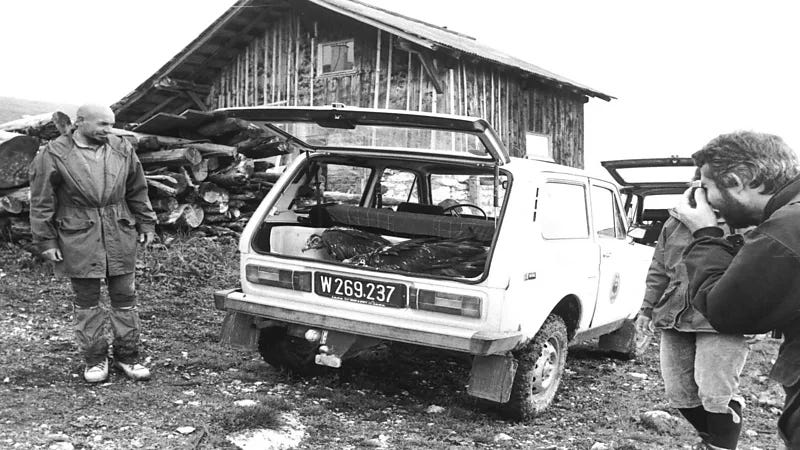
Frankly, I’ve reported on rewilding projects with a focus on the bearded vulture before - but wanted to share this new story in particular because of the above photo. It depicts the beginning of bearded vulture restoration in the Alps in the 1980 - and it looks adorably quaint, doesn’t it!? Now the amazing this is that the vulture in the back of that car was named Balthazar … wildlife experts came across Balthazar just last fall - at over 37 years old, he is the oldest ever recorded bearded vulture.
These huge birds were once hunted to extinction - but since the eighties over 250 bearded vultures, bred in captivity, were released in Alpine regions of Austria, Italy, Switzerland, France and Germany. While this is a success story - it must be said that the bearded vulture remains threatened with only a little over 300 breeding pairs spread across the Alps and Pyrenees.

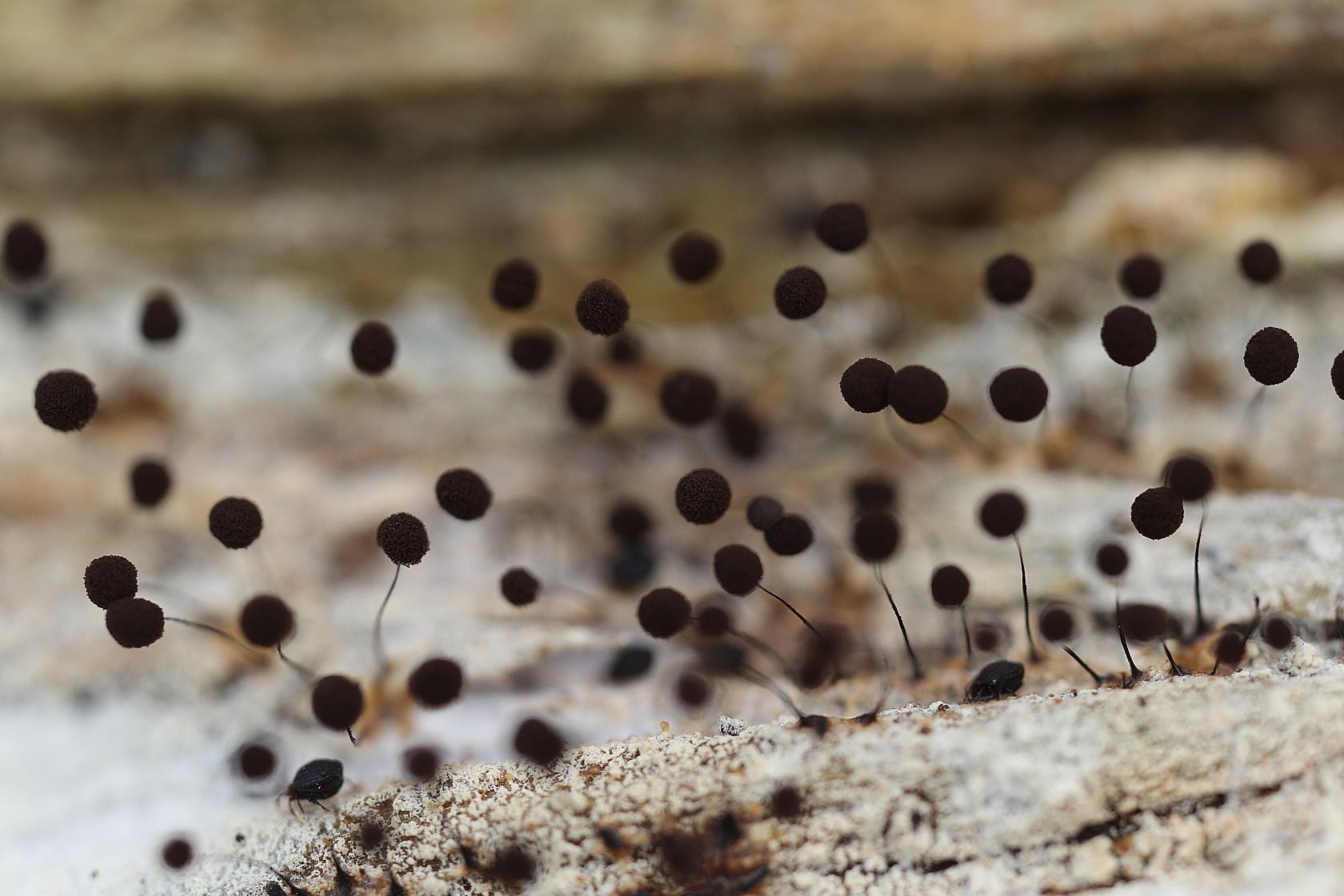
To conclude this week’s edition, rewilding legend and Trees for Life founder Alan Watson Featherstone shares with us a bit of his iconic photography that often takes a look at nature in a way that’s far closer to what we ordinarily perceive in passing. Alan takes time - as we all should. What on Earth is the below, you might ask yourself. Well, Alan has the answer: “These are the sporocarps of a slime mould (Comatricha nigra) on an old pine log (Pinus sp.) Slime moulds spend most of their lives as single-celled organisms in their substrate (dead wood in this case) before coalescing to form a plasmodium that can flow across its substrate and then produce these remarkable sporocarps - the fruiting bodies that release the slime mould's spores. These organisms help to break down and decompose old organic matter (the dead wood here) and are beautiful and fascinating in their life cycles. However, they desperately need a better name than 'slime mould', both words of which have negative connotations for most people!”
To find out more about Alan, his public speaking, writing, photography and more, visit him at alanwatsonfeatherstone.com. And if you feel like reading about my fantastically unique day with him in Glen Affric, go here.
Glad you’re here, reading the Rewilder Weekly. Share the stories, write your own (and let me know about it), engage with others. Let’s continue to reach out, inspire and activate ever more people around the world. The rewilding movement is growing, and with all of us pitching in, it’ll grow a great deal more!
That’s it for this week’s edition. Eager for more rewilding insights?
connect with these organizations - sign up for newsletters and support them in any way you can;
join these events - conferences, online seminars, rewilding days and weeks to immerse yourself and learn from the experts;
read these books - a selection from Foreman to Macdonald, and from Tree to Daltun, Hetherington and Bowser;
listen to these podcasts - it’s inevitably inspiring when the likes of James Shooter, Ben Goldsmith and Brooke Mitchell talk to the pros in the field;
and check out these resources - explore the principles, ways of funding, research publications and personal ways to start rewilding.
And, of course, connect with and follow the many passionately engaged rewilders. Let’s keep growing the movement! 🦬🌳🐺🌞🌍
Go ahead, do it! 😊 I love comments and you can ask me anything (literally). You can also let me know about projects you come across, article you think I should share - and feel free to throw in tough questions, too - spice of life!
Oh, and please do click the ❤️ (like) button, too. The more ❤️, the more these posts rise in Substack’s algorithm - which means more and more people will discover rewilding, will learn about it, will engage around it, and hopefully will become active rewilders before long. Thanks!
Thank you so much Daniel 🙏