


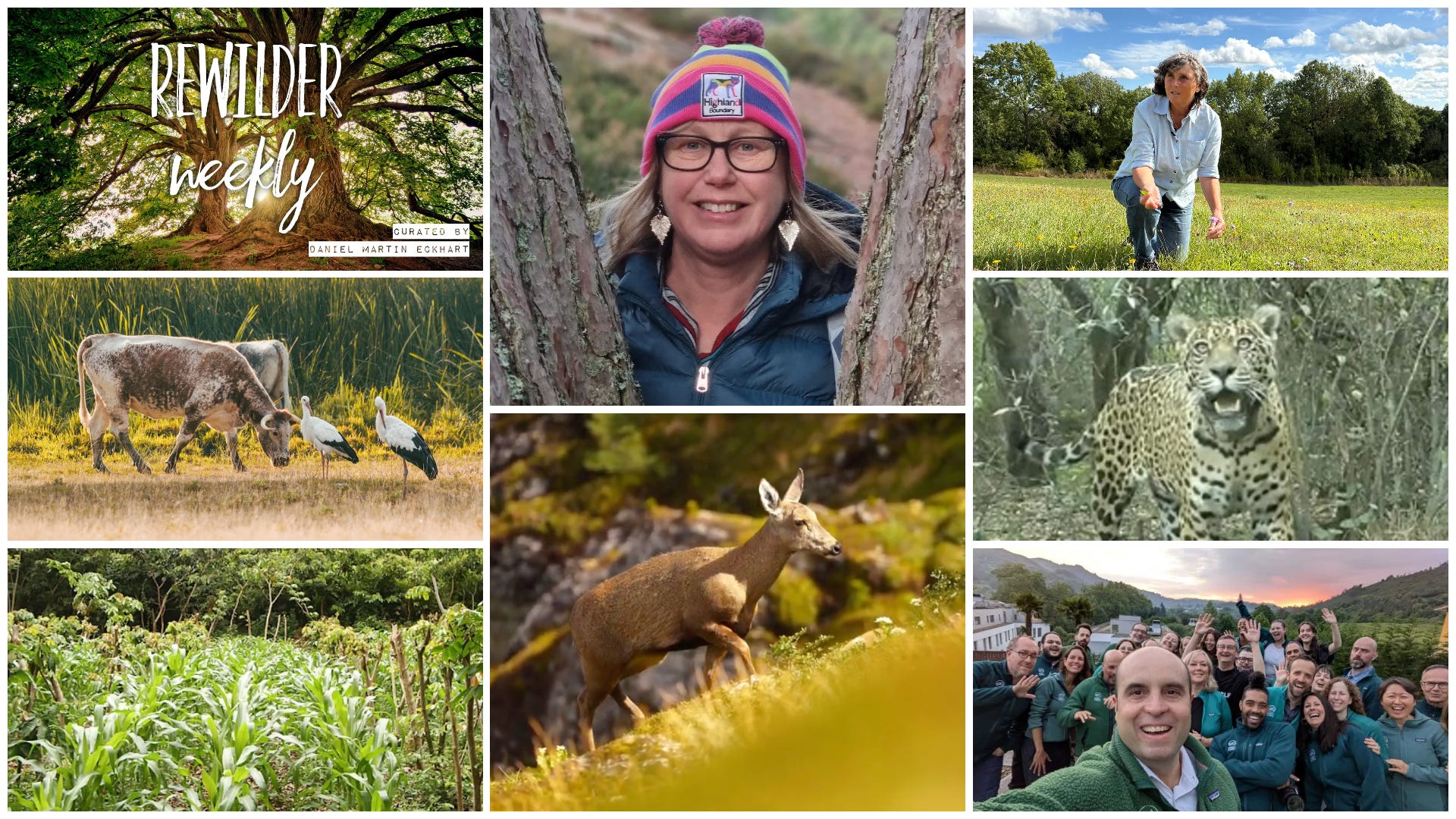
Welcome to the latest edition of the Rewilder Weekly! 🦬🌳🐺🌞🌍
This week with the latest rewilder profile - featuring Marian Bruce, co-founder and director of Bioregioning Tayside and more (among these running a very special distillery) - as well as inspiring and insightful stories from 🇨🇱 Chile, 🇬🇧 the UK, 🇳🇱 the Netherlands, 🇭🇳 Honduras, 🇦🇷 Argentina, 🇮🇩 Indonesia and more!
Wishing you a good week.
Cheers,

👉 If you come across stories you’d like to see featured in a future edition of the Rewilder Weekly, send them to me and I’ll gladly do what I can.

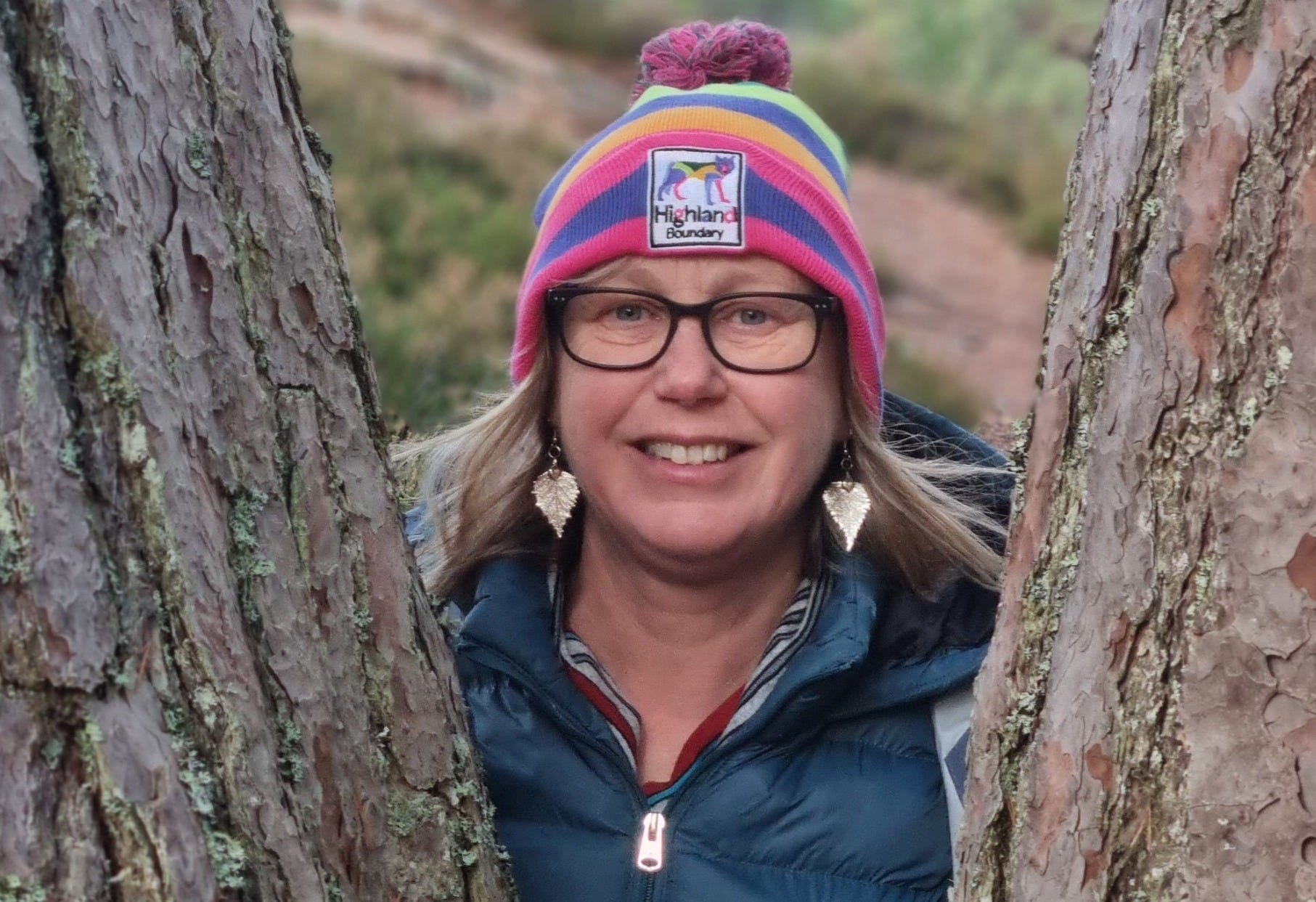
1) Meet the Rewilders: Marian Bruce
Meet the Rewilders is a series that introduces you to people engaged in the rewilding movement across the globe. Today meet Marian Bruce, co-founder and director of Bioregioning Tayside, a landscape-scale regeneration project that restores nature, creates resilient communities and fights climate change using a systems change approach. In addition, she also runs a rewilded, regenerative farm, a holiday let, an orchard … and Scotland’s only wild distillery. I think I’d have to split myself into at least five people to do half as much as she does!
One of the key decisions in her life was to study biology (she researched the transmission of malaria parasites) and this passion has become her life. There’s so much in what she shares that I can not just relate to, but feel that there’s a kindred spirit. She writes, “I am deeply troubled by inequality and offended by the lack of fairness in the world, both within human and biotic populations. I am a champion of all living things and have worked to relive suffering caused by infectious diseases in humans and now I work to change systems to enable ecosystem restoration and human connection to nature.”
2) Looking back at a year that made Chile wilder
This 2-minute clip brings together a heartening glimpse of what’s been happening thanks to Rewilding Chile, Tompkins Conservation and others over the course of 2025. The trajectory is strong (last week’s focus on the latest national park, Cape Froward, just one example) and seeing newly released Darwin’s rheas stomp off into the wild, perfectly visualizes the strong forward movement of nature recovery efforts in Chile.
Check out the video to see all that’s been happening. Rewilding Chile writes that the year was “marked by milestones that remind us that Patagonia is becoming wilder once again, thanks to collaborative work, science, local communities, and a shared vision.” And Carolina Morgado (Rewilding Chile’s executive director) adds, “We’re so proud of the progress we made with the Rewilding Chile team this year. In 2026, we’re ready to go even further and make Patagonia even wilder. 💚”
👉 Go here to learn more about Rewilding Chile

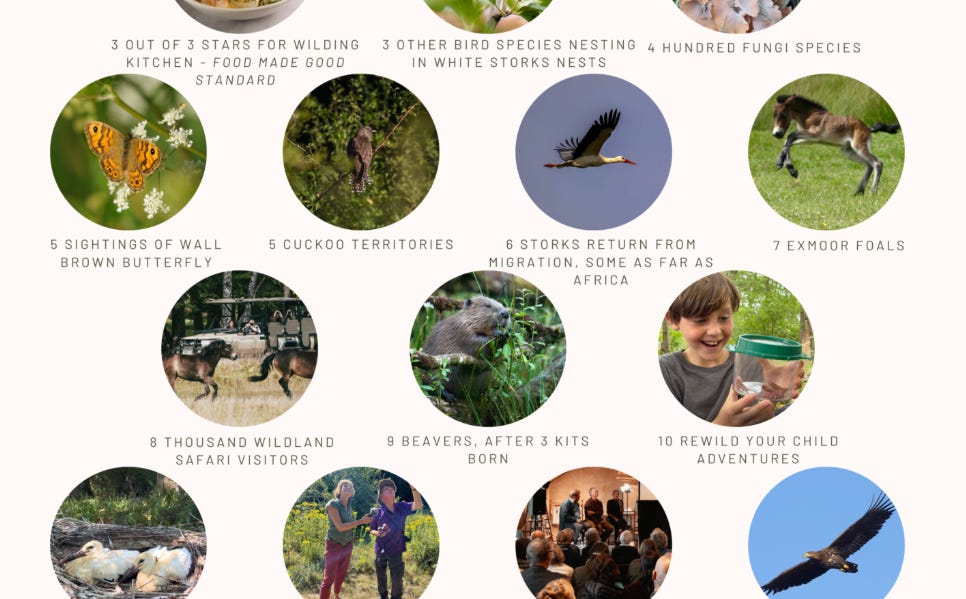
3) Knepp’s 2025 in numbers
Everybody loves a good visual and I like what the Knepp Estate has done to highlight their many achievements of the past year. It’s simple visuals, it’s simply numbers - but they tell a great story. They lead in with this: “2025 has been quite a year. Our butterfly summer was record-breaking, we re-launched the Knepp Wilding Podcast with Isabella Tree as host; Knepp Wilding Kitchen was listed by MICHELIN; we welcomed 10,000 visitors on safaris; and Knepp and Storrington were recognised as a European Stork Village.”
Many it not all of these show that out of the courage to embark on a passive rewilding journey, then adding a pinch of active rewilding here and there, a wealth of benefits for both nature and people can arise. Here just a few random examples of their outstanding 2025: 6 storks return from migration, some as far as Africa; 9 beavers, after 3 kits bord; 13 sightings of white-tailed eagles; 16 Tamworth piglets; 64 breeding bird species; 283 purple emperors recorded in a single day; and then there are the podcats, the thousands of safari guests, the rewild your child’ adventures, the tons of fresh produce, the successful restaurant, the Weald to Waves successes, the 2200 school children that were engaged with the white stork project … and it goes on and on and on … rewilding, folks, rewilding!
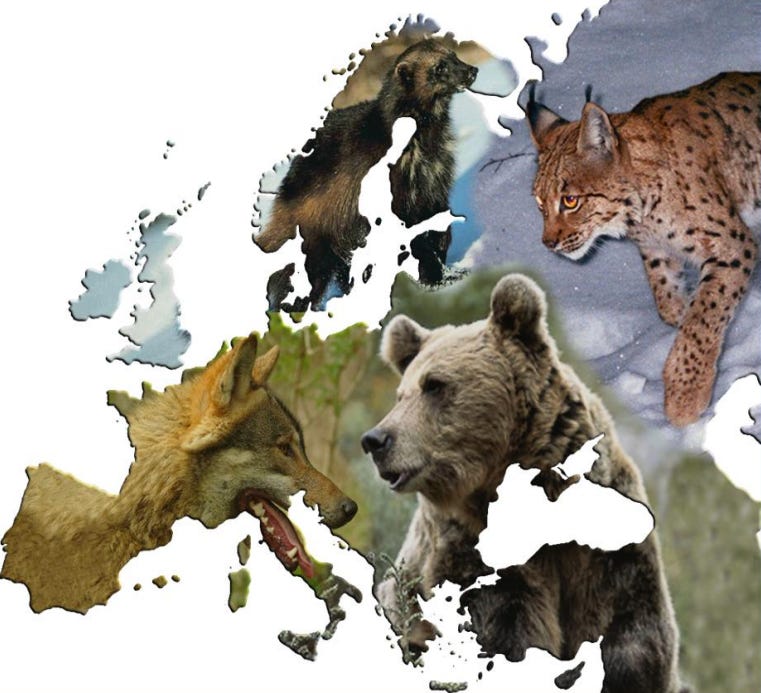
4) Is coexistence really ‘poorly defined’?
The European Commission has published a paper entitled “Conceptualizing coexistence with large carnivores in Europe” - it begins with an abstract that leads with “Coexistence is emerging as a very common concept with respect to wildlife conservation in human-dominated landscapes. However, the term remains poorly defined, leading to some controversy about its implementation.” Is that really the case? To my mind, at least, I thought that coexistence was already broadly researched and defined.
Peter Cairns calls the paper “refreshingly pragmatic, honest and accessible” - so you already know that the read is worth your time. As for its positioning I’m with Suzanne Asha Stone (Wildlife Conservation’s executive director) and her statement that coexistence is not poorly defined, but contested. She argues that there are “well-developed concepts of coexistence rooted in animal welfare science, compassionate conservation, and moral philosophy—approaches that share one core principle: coexistence does not rely on killing animals to resolve conflict.”
I agree with her that the focus, the prime directive, if you will, seem to remain on the human species. Coexistence must always bow to human tolerance levels … I get that we’re the top predator and that we’ve made much of the world our own to do with as we please … but if we talk coexistence and actually take it seriously, shouldn’t we strive to put other species on an equal footing? Maybe possibly even consider their tolerance levels and change some of our ways?

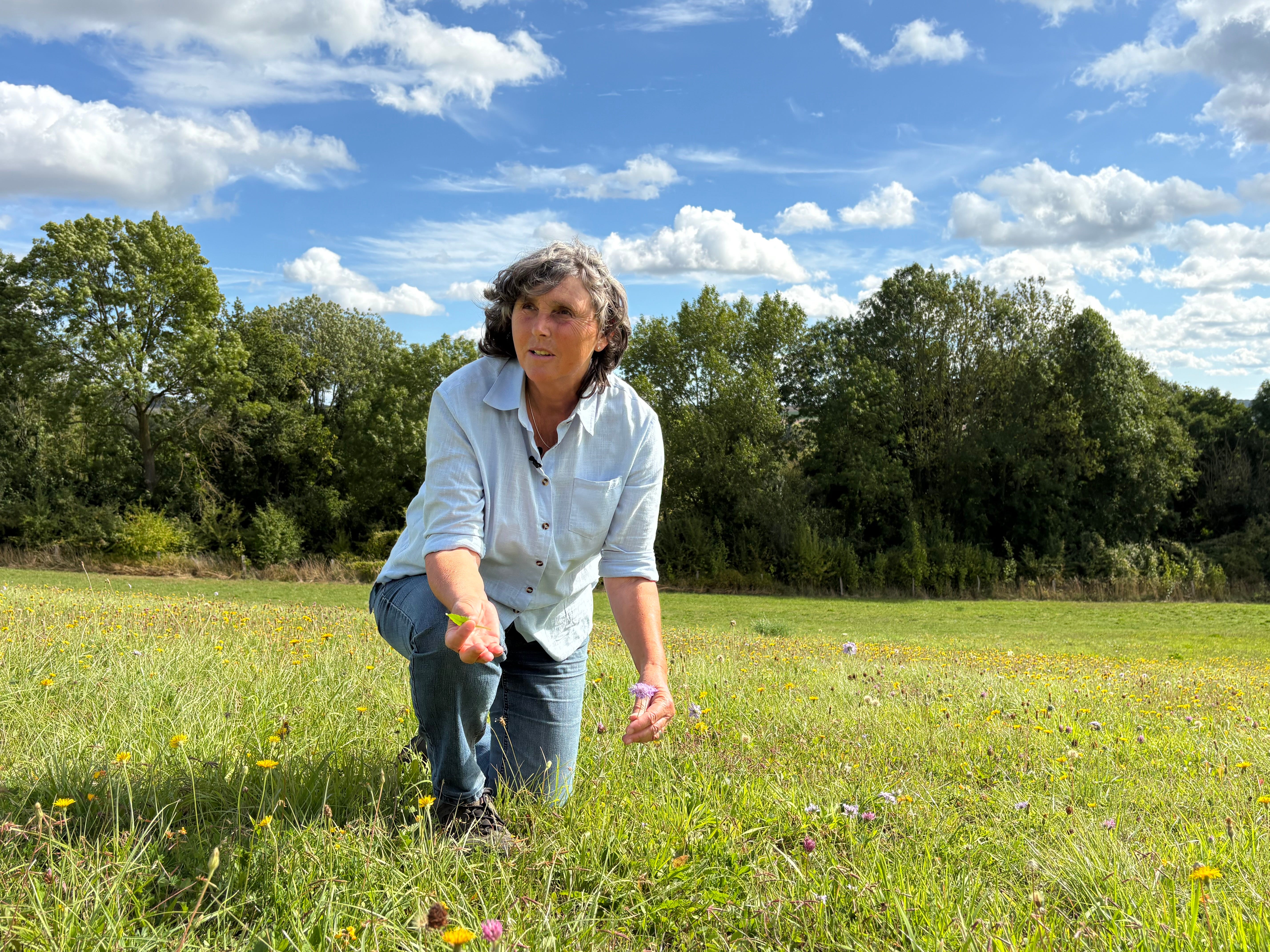
5) Rewilding farmland in the Netherlands
A good story from ARK Rewilding that began back in 2015. For five generations the Schuurmans had farmed their Gulperberg land, but there it stopped. When the 5th gen reached retirement and the 6th gen didn’t plan on farming - it all looked as if they’d have to sell both land and farm, particularly also because the farm was in need of repairs. But this is when the 40 hectares came to the attention of ARK Rewilding.
ARK has bought and rewilded the land. The amazing thing is that the Schuurmans, while no longer farming, have kept and restored the farm where now several families live and where horses are kept, too. Farming will remain essential for humanity - but this is, to me, a great example to show that farming must not be held onto for dear life (because it’s always been, because of subsidies, etc.). Sometimes a change makes sense, both economically and emotionally - and ARK shows that this can be perfectly beneficial for everyone. ARK Rewilding ecologist Hettie Meertens says, “We’ve solved the puzzle for everyone: Nature, recreation, housing, and water storage now come together on the Gulperberg. That’s a win-win for everyone.”
👉 Go here for the article (use Google Translate)

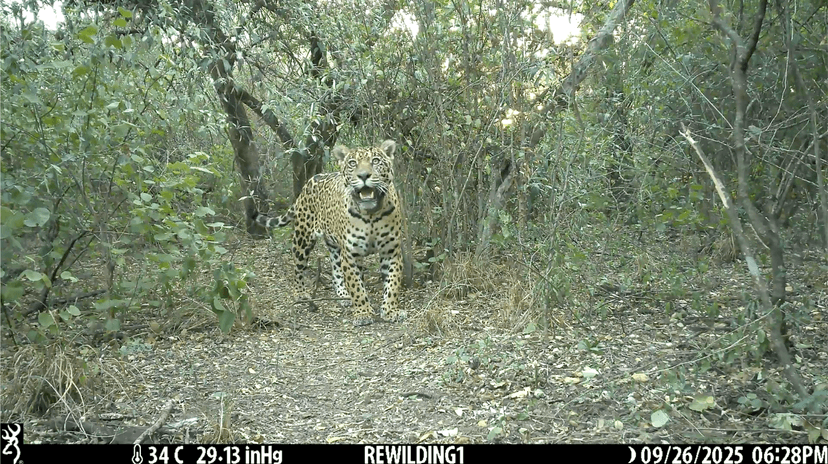
6) Checking in with the Jaguar Rivers Initiative
The Jaguar Rivers Initiative - founded by Rewilding Argentina, Nativa: Naturaleza Tierra y Vida (Bolivia), Fundación Moisés Bertoni (Paraguay) and Onçafari (Brazil) - was only just launched a few months ago. This is a monumental effort to restore, protect and connect ecosystems in the heart of South America. The initiative’s year-end message highlights the huge challenges, the threats, the fragility. Hope is a verb, as the saying goes - and there’s good forward movement, despite the disappearance of Acaí (pictured above), likely because she was killed by a hunter.
But where this wouldn’t have made the news in the past, now this was met in two ways - both social and legal: 1) there was a huge outcry on mainstream and social media as Argentinians love these leopards and 2) the public prosecutor’s office offers a reward of nearly 200’000 US dollars for information about the person or persons behind this killing. This is foundational progress, that’s taken place in the hearts and minds - and the legal system. Bravo.
The Jaguar Rivers Initiative rings in the new year with almost lyrical hope: “As we say farewell to 2025, rains have arrived, the rivers grow and the forest breathes. The increased flow irrigates the land, nourishes the soil and awakens the dormant inhabitants of the territory. Pools, marshes, and low-lying areas fill, signaling amphibians to begin their singing season. The chorus echoes differently across the waters of The Bermejo, Pilcomayo, Paraguay and Iguazu rivers. Yet they all announce in their polyphony of languages one same ancient welcome: Its summer in the Paraná basin. A new cycle begins.”
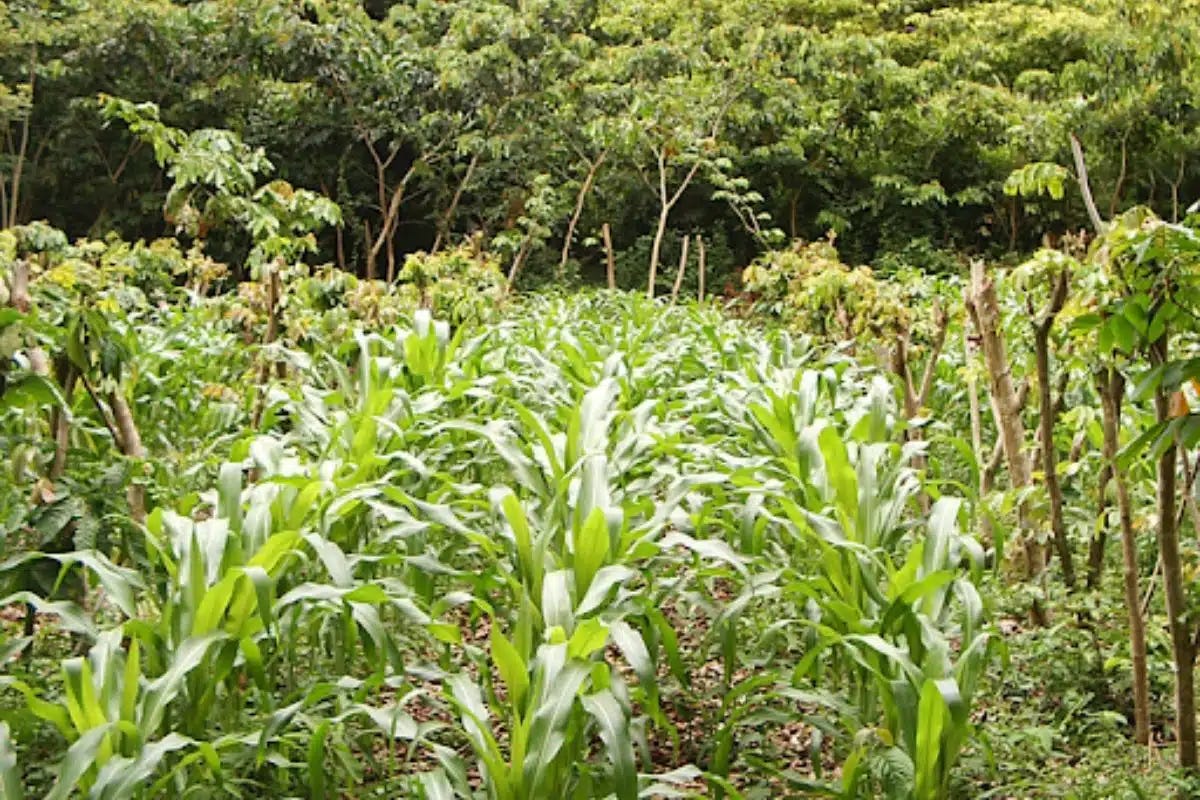
7) Inga trees: soil-healing superheroes
The Inga tree was news to me. The Global Rewilding Alliance, in their article on the Inga Foundation, call these trees “soil-healing superheroes that enrich the land, naturally suppress weeds and provide clean firewood.” What’s termed “Inga Alley Cropping” not only delivers on all of the above, but it also lowers tropical rainforest destruction.
Hundred of millions of farmers rely on slash-and-burn agriculture - where forests are cut and dried and burn - then crops are grown until the soil is depleted - then it’s hit repeat, again and again and again. with the Inga tree method, the soil offers a great deal more and with their flagship project in Honduras, the Inga Foundation’s work supports 600 families and has transformed 2’400 hectares. Mike Hands, founder of the foundation, calls it a revolutionary farming method that’s “the tropical equivalent of turning water into wine.”

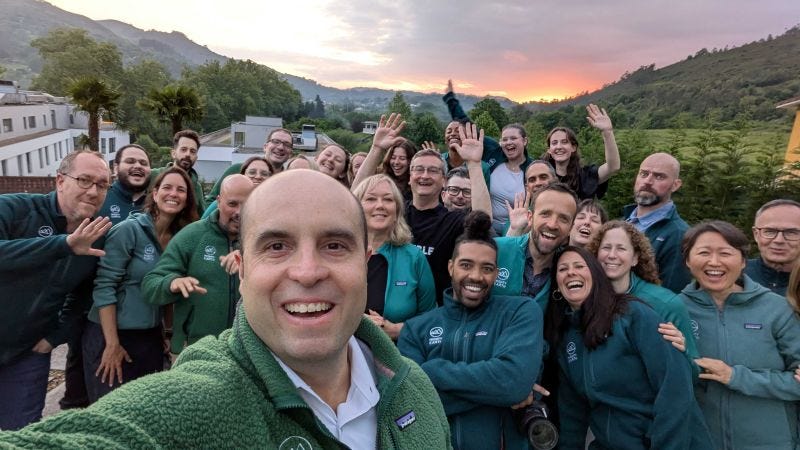
8) Mighty Earth looks back at what they call “The year of never impossible”
It takes guts and heart and endless resilience to stay the course in the face of seemingly unending adversity: Mighty Earth’s founder and CEO Glenn Hurowitz writes, “I cannot recall a time when the people in power cared less about Nature and climate. In the United States, we’ve seen the proposed repeal of core conservation policies like the Roadless Rule that protects 58.5 million acres of national forest; the gutting of Hawaii’s Papahānaumokuākea Marine National Monument (created by George W. Bush as the largest single protected area in the United States); and a broad assault on climate policies, including exempting hundreds of polluters from the Clean Air Act.”
He goes on to focus on EU lawmakers trying to weaken deforestations regulations … but then focuses on progress made, in courts of law, with new agreements, with public engagement. They took methane emitters to task, they tackled threats to forests by exposing what’s happening, and they launched the rewilding effort focused on bring the puma (or mountain lion - or, my favorite, the catamount) … and there’s more - excellent update, well worth reading and hugely impressive. Clearly, an organization with teeth! (catamount teeth, perhaps?)

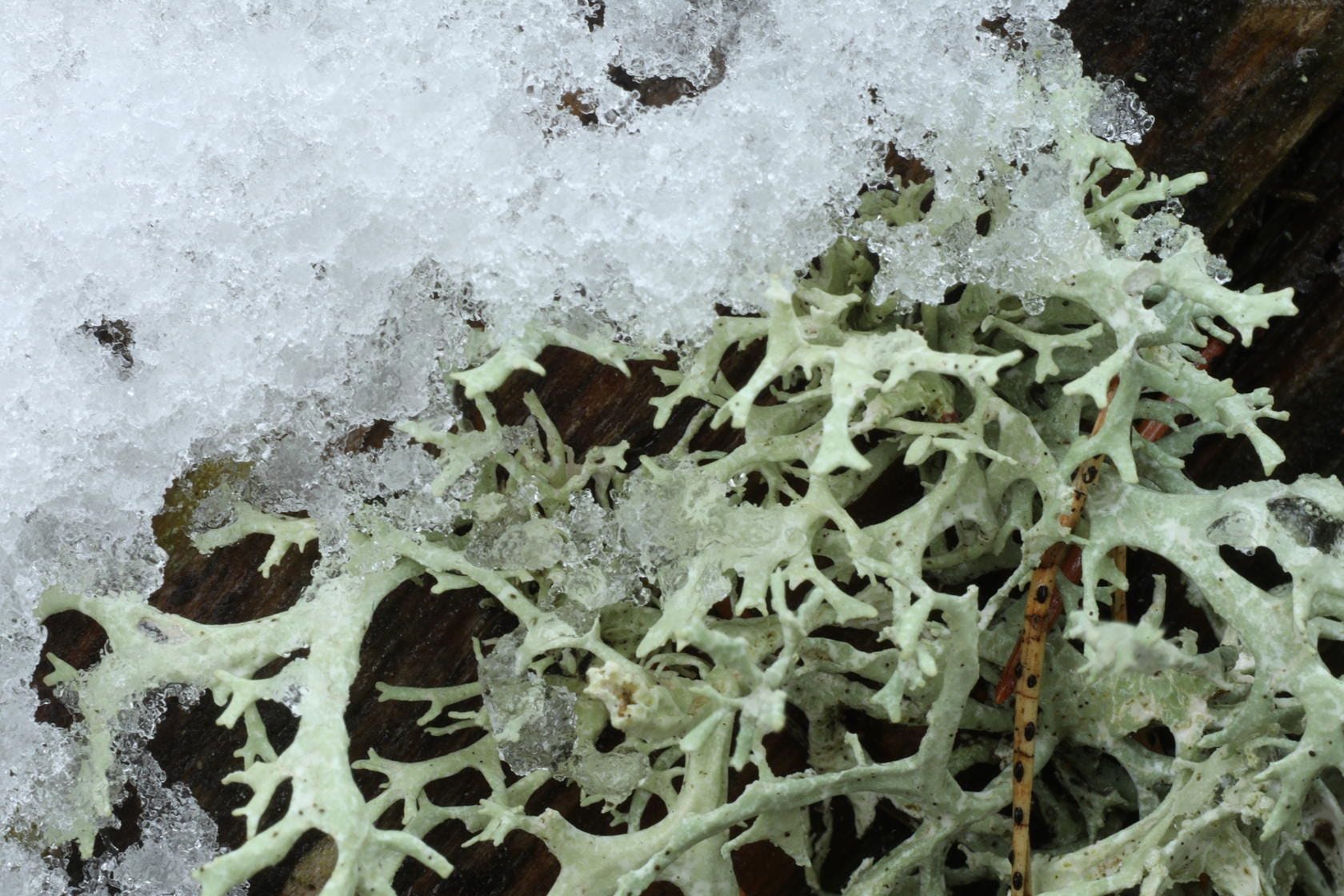
To conclude this week’s edition, rewilding legend and Trees for Life founder Alan Watson Featherstone shares with us a bit of his iconic photography that often takes a look at nature in a way that’s far closer to what we ordinarily perceive in passing. Alan takes time - as we all should. This time, perfectly fitting with the snow I see when I look out the window right now, Alan shares a close-up of oakmoss lichen.
I just read up on oakmoss and discovered that this lichen is commercially harvest in parts of Europe and usually exported to France where it is used as a raw material for perfume - who knew, right!?
To find out more about Alan, his public speaking, writing, photography and more, visit him at alanwatsonfeatherstone.com. And if you feel like reading about my fantastically unique day with him in Glen Affric, go here.
Glad you’re here, reading the Rewilder Weekly. Share the stories, write your own (and let me know about it), engage with others. Let’s continue to reach out, inspire and activate ever more people around the world. The rewilding movement is growing, and with all of us pitching in, it’ll grow a great deal more!
That’s it for this week’s edition. Eager for more rewilding insights?
connect with these organizations - sign up for newsletters and support them in any way you can;
join these events - conferences, online seminars, rewilding days and weeks to immerse yourself and learn from the experts;
read these books - a selection from Foreman to Macdonald, and from Tree to Daltun, Hetherington and Bowser;
listen to these podcasts - it’s inevitably inspiring when the likes of James Shooter, Ben Goldsmith and Brooke Mitchell talk to the pros in the field;
and check out these resources - explore the principles, ways of funding, research publications and personal ways to start rewilding.
And, of course, connect with and follow the many passionately engaged rewilders. Let’s keep growing the movement! 🦬🌳🐺🌞🌍
Love how this newsletter brings togther projects from such different regions but all showing similar momentum. The Knepp numbers especially show what passive rewilding can achieve when given time and space. I worked briefly on a habitat restoration project in college and the timeline for seeing real biodiversity gains is way longer than most people realize. The Inga tree stuff in Honduras is genius though - solving both deforestation and soil depletion at the sametime is rare.