


Welcome to the latest edition of the Rewilder Weekly. 🦬🌳🐺🌞🌍
This week with the latest rewilder portrait, featuring Clare McTaggart, Development Manager at Rewilding Britain - and insightful and inspirational stories from 🇺🇸 the US, 🇮🇹 Italy, 🏴 Wales, 🇸🇪 Sweden, 🇱🇨 Saint Lucia and 🏴 England.
Wishing you a good week!
Cheers,

👉 If you come across stories you’d like to see featured in a future edition of the Rewilder Weekly, send them to me and I’ll gladly do what I can.

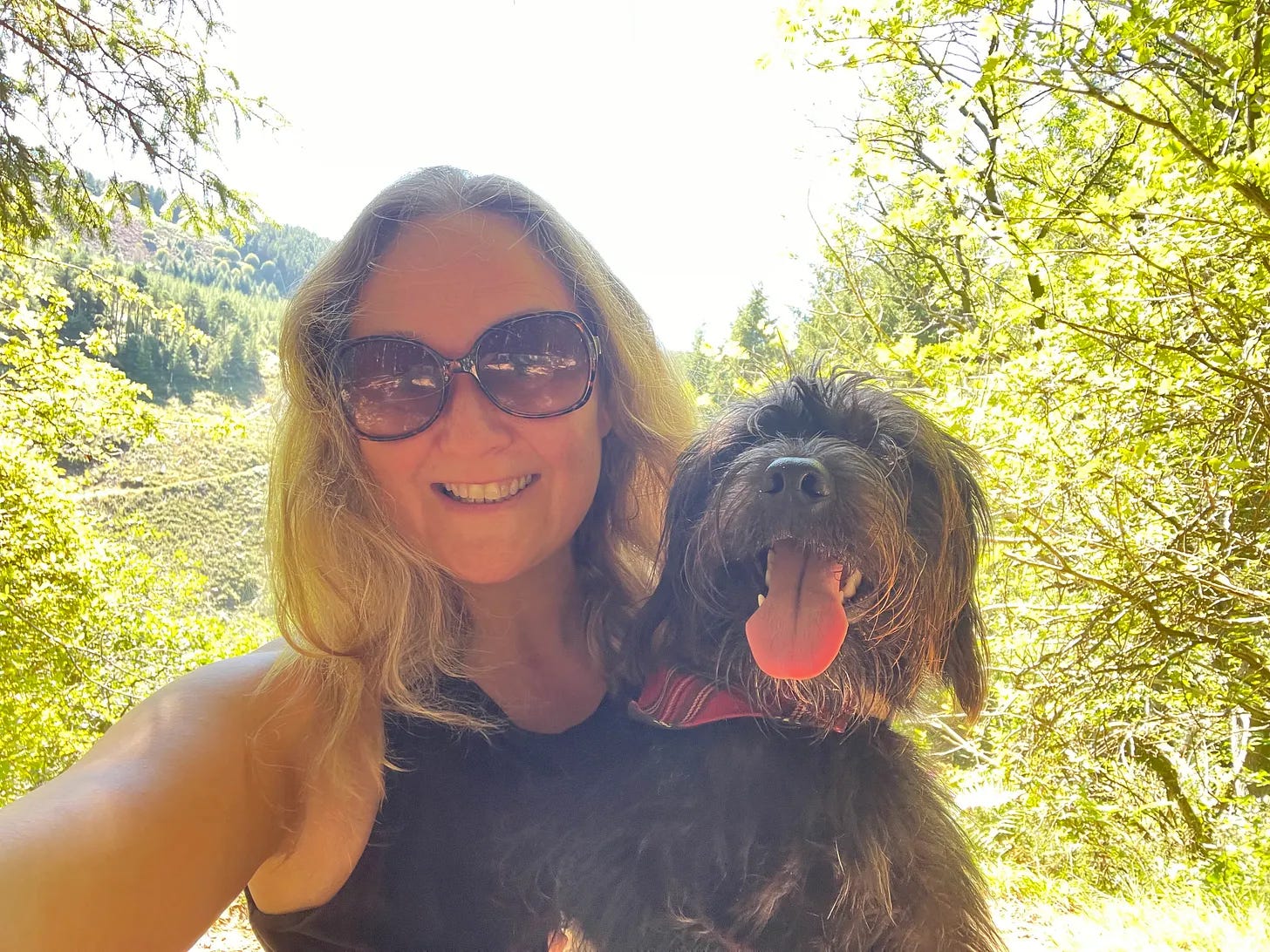
1) Meet the Rewilders: Clare McTaggart
Meet the Rewilders is a series that introduces you to people engaged in the rewilding movement across the globe. Today meet Clare McTaggart, Development Manager at Rewilding Britain. Her role involves researching, cultivating and securing new income and partnership opportunities from individuals and organisations to enable more rewilding across Britain. She also runs ‘Mind Body Soul Adventures’, where she helps people slow down and reconnect with nature and themselves through mindfulness, wild swimming, forest therapy, and walking across Scotland (oh, and she shares one of those “wild swimming” photos that’ll freeze your socks off!).
Lots to love about the way she lives life and looks at the world. Among the many things, she writes, “I believe we're all one - interconnected, interdependent and that all beings (human and non) deserve freedom, dignity, and respect. When one part of our living system suffers, we all suffer. I believe that a more equitable world is both possible and necessary, and that we collectively hold great power to enable and enact change. I love the Ursula Le Guin quote that 'Capitalism can feel inescapable. But so did the divine rights of kings. Any human power can be resisted and changed.' I believe we can change what sometimes feels impossible. I also believe that compassion is a superpower in doing so and is highly underrated.”

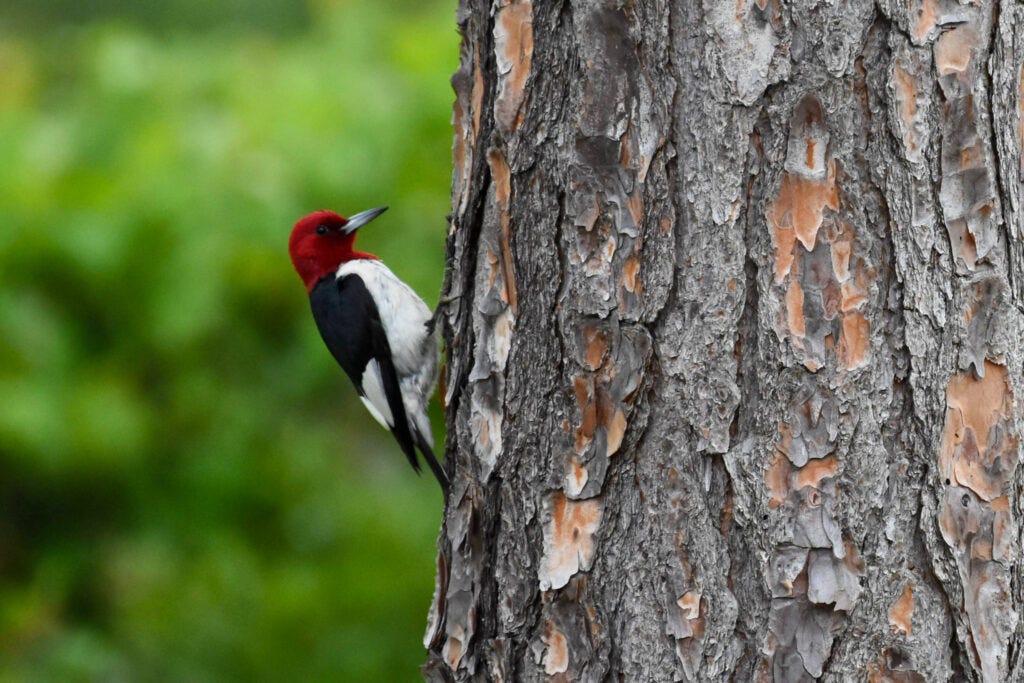
2) The Conservation Fund saves the Okefenokee Wetlands
The Okefenokee wetlands in the US state of Georgia are huge. They are shallow and peat-filled and considered the “largest andmost intact subtropical peatland in the world” … and the plans of a mining company seemed on track to actually drain that wetland. Hard to imagine, but the article lays it out beautifully - essentially, the water remained when the Atlantic, way back when, retreated. It remained because of a ridge that traps the water - and right there the mining company wanted to start messing with the very ground that kept the wetlands intact.
Inside Climate News shares this great story and how The Conservation Fund and hundreds of thousands petitioners over the course of years fought to protect those important lands … in the end, they were able the buy the mining company’s lands for many millions and, by doing so, protect the wetlands are are home to over 400 species and conserve “525 million gallons of water annually and safeguards the headwaters of two rivers that supply water to hundreds of thousands of people across Georgia and Florida.”
Not even THINKING of mining should have been at the start of it all. And when you read the article, the type of mining will make you shake your head all the more. The plans were to dredge the surface … not unlike bottom trawling - unreal when you read about it, and see what that looked like and what it would have done to intact nature … and they even had the gall to say that they’d fill it in again afterwards … as ever so often, profit over nature and sanity. Bravo to The Conservation Fund and its many partners for their great work!
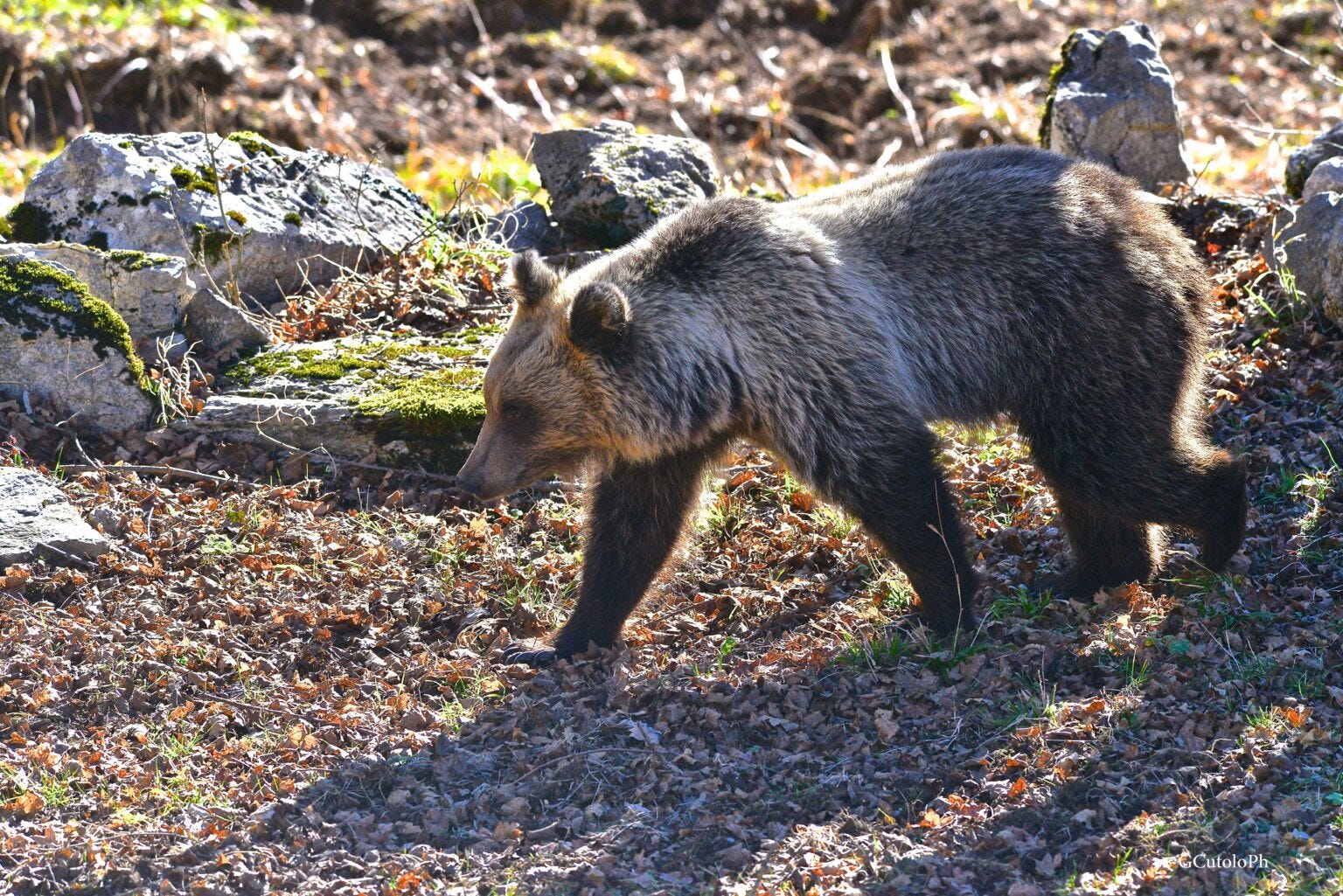
3) Italy’s Marsican bear population is on the rise
Now mind you, this isn’t huge numbers, but it is promising. I’ve been following this for the past years and the work between different partners, particularly Rewilding Appenines and Salviamo l’Orso, is tremendous. The finding show that there are now an estimated 81 Marsican brown bears, with a healthy male/female ratio. Salviamo l’Orso’s staff and volunteers have been in the field for years to protect the Marsican bear, one of Europe’s rarest and most endangered species.
Salviamo l’Orso says that the positive news doesn’t come as a surprise and that the next step for the Marsican bear has now arrived. The population was concentrated so far - for the species population to grow, it needs to expand its range into surrounding areas. It comes with challenges. They write, “For this expansion to continue, we need connected habitats, functioning ecological corridors, and a tangible reduction in the main causes of human-induced mortality: road construction, poaching, poisoning, unsafe infrastructure, and conflicts with human activities.”
There have been horrible stories in the past, with bears run over by cars, and with little ones drowning in unfenced reservoirs … I so hope that this positive future for Marsican brown bears continues. Yes, nature needs to be able to freely flow - and over the long-term that must mean that protected areas are not the solution, but simply a stepping stone toward a return to abundance.
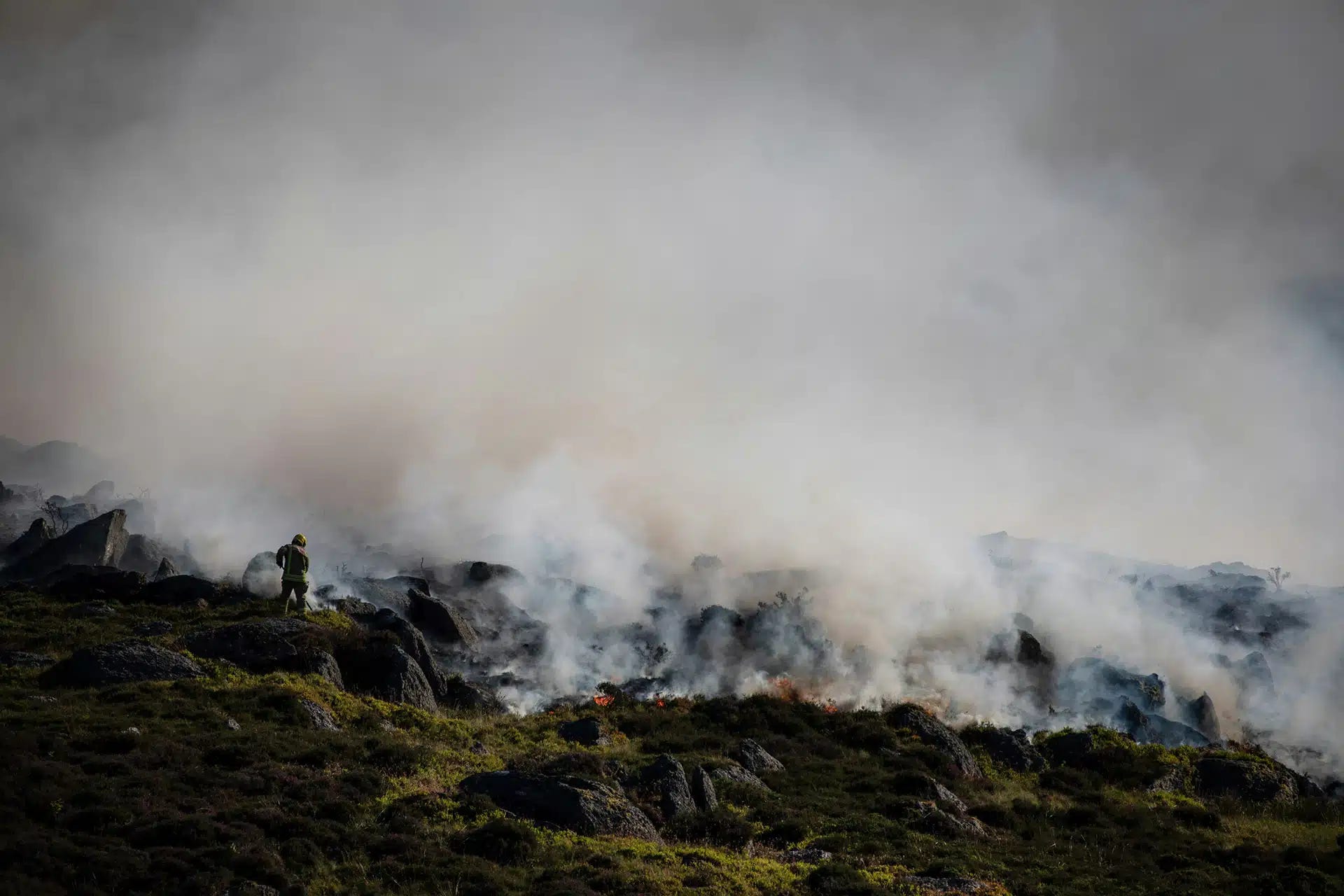
4) The Welsh Rewilding Alliance delivers an important statement on mitigating against fires
A Wild Cymru investigation “shows that Wales has the highest number of wildfires and uncontrolled fires in Britain.” In such challenging times there’s always an impulse to put blame and anyone generally against nature recovery efforts will instantly blame such efforts for generating more vegetation (fuel load) that wouldn’t have been there if only the same amount of livestock would have grazed it all down to the roots.
That’s a fallacy, of course. The truth is that the many landscapes have been brought to where they are by decades of bad choices, such as overgrazing and draining entire landscapes. Blaming nature recovery efforts is stupid when these efforts address underlying causes that desperately need fixing. The Welsh Rewilding Alliance lays out exactly what should happen.
“Far from causing these issues, we believe rewilding could help address them: rewetting peat and establishing native woodland and scattered scrub to help improve underlying soil structure and organic matter, increasing infiltration of water and aiding retention, making the ground harder to burn (releasing less carbon when it does). Increasing floral diversity, to outcompete tinder-generating grasses. Creating firebreaks through the natural grazing habits of large herbivores. It is these dynamic, mosaic landscapes where natural processes are allowed to unfold that are the most likely to prove resilient as the climate transforms.”
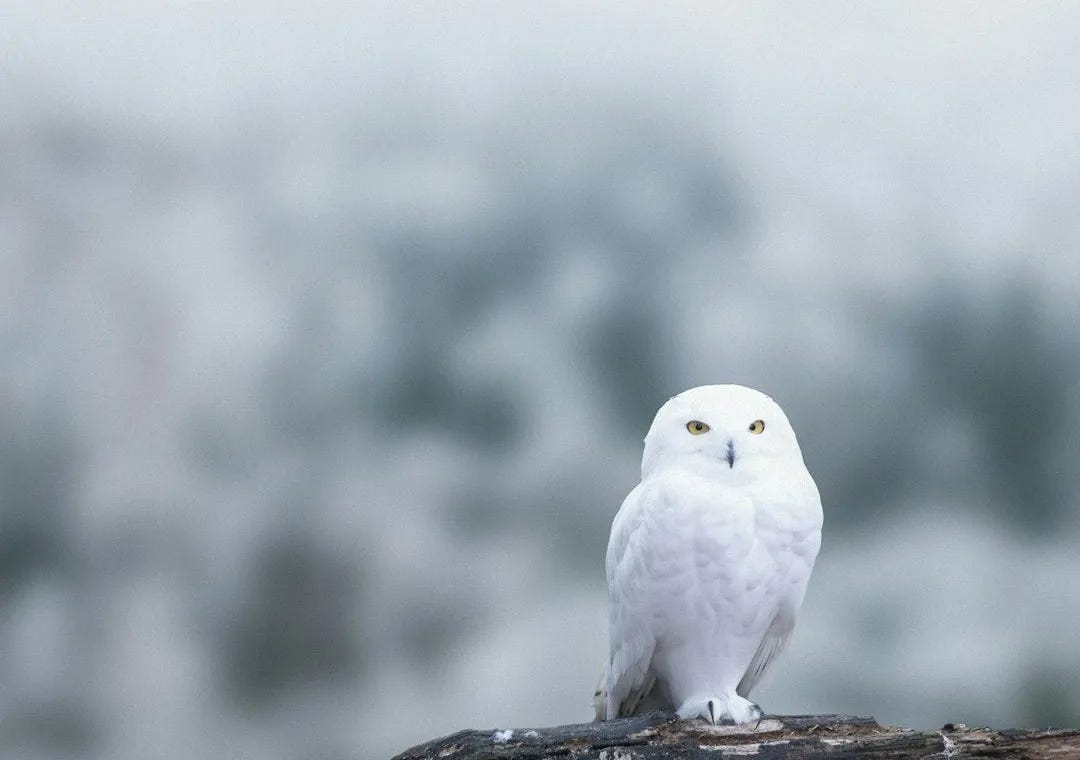
5) A closer look at biodiversity loss in Sweden
Sweden, majestic land of endless forests and lakes. Sweden, where essential large carnivores are hunted against laws and every good environmental logic. Sweden, where the above-pictured Snowy Owl is now classified as ‘nationally extinct’. In a country filled with vast landscapes, the latest Swedish Red List should make every citizens want to scream at their government - because quite obviously, things are going very, very wrong.
Christina Egerstrom has written an article that looks into the results of the latest Swedish Red List - usually, we call such results as ‘sobering’ - but this is far beyond that, this is terrifying. Christina highlights that, “Of 24,829 species assessed, 6,156 are now red-listed and 2,910 are classified as directly threatened. This represents the fourth consecutive assessment in which the proportion of threatened species has risen.”
In her detailed article she explains that the two main drivers for biodiversity loss - as identified by the researchers - are 1) modern forestry and 2) land abandonment. Modern forestry, clear-cutting and always massively regrowing entire woods, destroy all that needs a reliably connected habitat, such as fungi, mosses, lichens and beetles. Much of what you’ll be told “we’re growing new forests” disregards the fact that all of those foodwebs and ecosystems were entirely destroyed. Land abandonment is a fascinating topic - because there, regen farmers, free-roaming grazers, or government-employment stewards of the land could make all the difference.

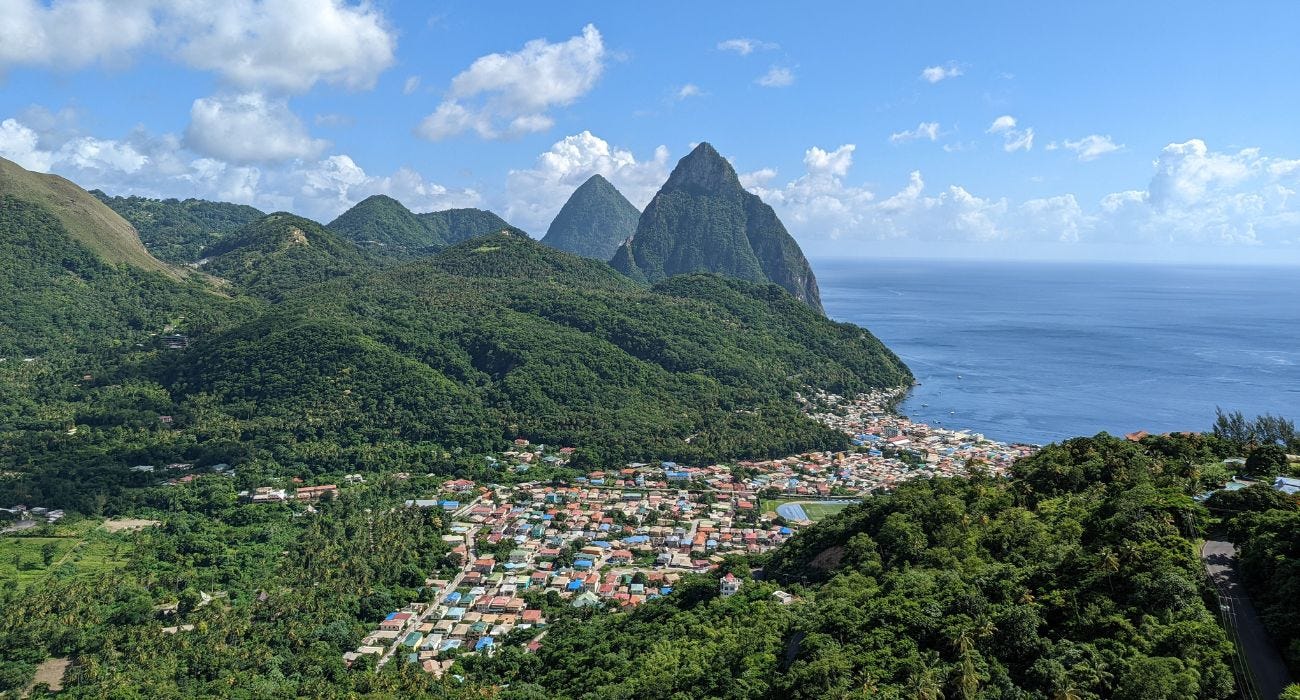
6) Saint Lucia’s ecopreneurs are building a restoration economy
Saint Lucia is an island country in the Caribbean. Inhabited for some 2000 years, there were Arawaks, the Kalinago, then much later came the pirates, the English and the French and the English and the French and so on and colonial times waned in the 1950s and completely ended with independence in 1979. Today nearly 200’000 thousand people call it home and tourism is, by far, it’s largest economic driver … no wonder that protecting and restoring nature is giving such a strong focus.
Just as tech incubators have done for decades now, so the UN’s Restoration Factory is an incubator for ecopreneurs to push forward innovative business models. “Implemented through a partnership between UNEP, Bridge for Billions, the Department of Sustainable Development of Saint Lucia and Export Saint Lucia, the Restoration Factory sets out to support entrepreneurs turning ecosystem restoration into viable, investment-ready businesses.”
What’s happening on the ground is heartening to see, sea moss farming, sustainable agriculture, eco-tourism, circular economy ventures. The cool thing is that this is really locally led. The incubation program delivers insights, networks and support so that the people of Saint Lucia can take their ideas and turn them into successful business ventures that’ll benefit everyone.

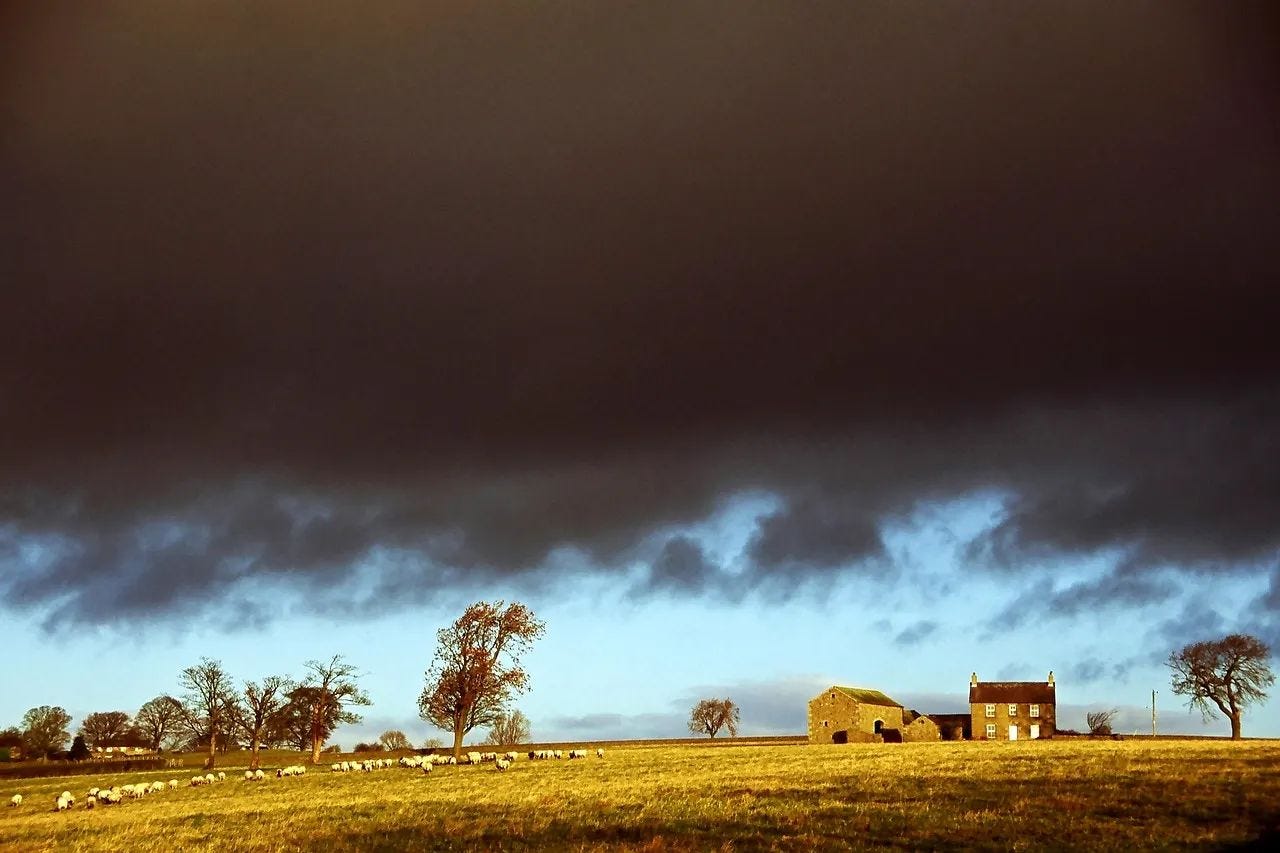
7) Weak and short-sighted, The Church of England votes against nature recovery
The Church of England has voted against committing to restoring 30% of its land. I've taken a closer look with an in-depth article that looks at what happened, those for and those against, the reasoning on either side, the scope of it all, what this was really about ... and the decision-makers. I've come to the conclusion that you can't blame the Church Commissioners - they have a job and they've done it - that is to protect and grow the portfolio. The massive error, to my mind, lies in that these were really the wrong people to make such a decision. It wasn't - or at least it shouldn't have been - up to them.
This was a matter about the wellbeing and healthy future of England, all of England - and most assuredly all of the CoE's current and future worshippers ... this was a decision that should have been taken at the top. Leadership was required - and that means the leadership and voice of the Archbishop of Canterbury, Sarah Mullally. As the spiritual leader, she has power and must act. Her voice can make a huge difference. It can shine a light for millions of people toward the vision of an England with a restored, biodiversity-rich nature, a foundation that’s restored to full health. This is - or should be - her decision, not that of a body focused on managing assets. This is bigger, it’s her lands, her flock, her charge - high time she lives what she preaches.
8) Jon Conradi asks: Is rewilding radical?
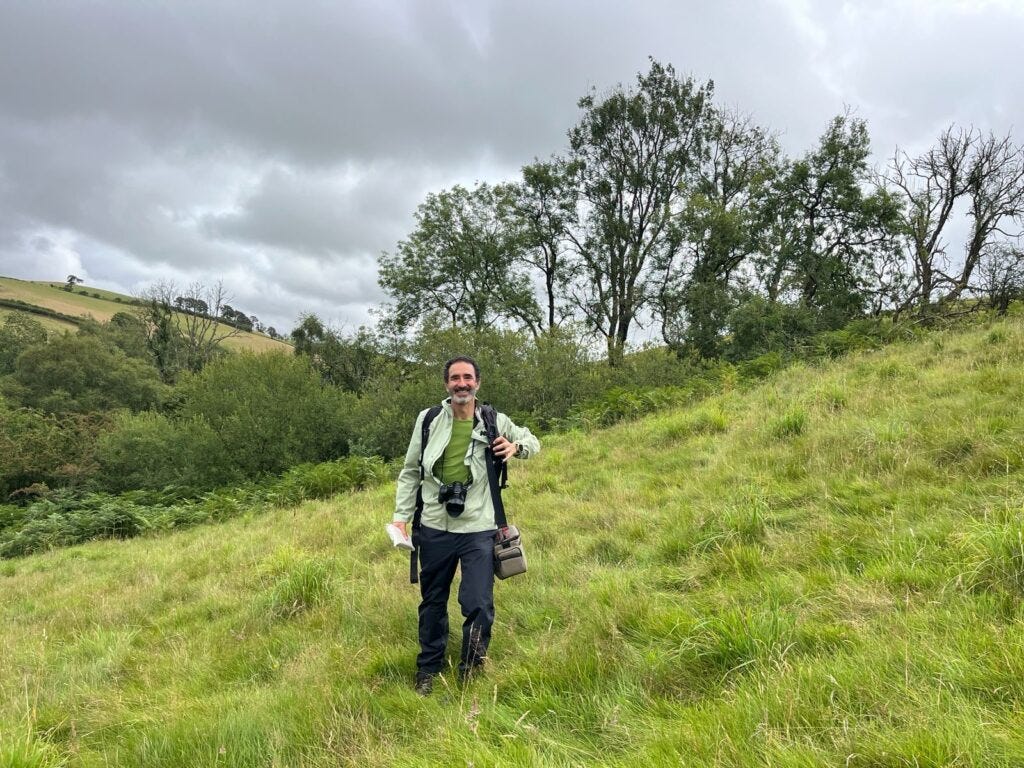
Jon Conradi, founder of Wild Mosaic, has just penned a new article, a thoughtful piece that asks a simple question “Is rewilding radical?” I’d answer that with a big fat YES. But in a good way! You see, the challenge is with the word “radical”. Radical, or extreme, revolutionary, fundamental, etc. - all of these come with the notion of massive change. And since change equals uncertainty, most people won’t exactly jump with joy at the mention of “radical” anything - the word itself for them will have a negative connotation.
I’m with Jon, of course. Rewilding is transformative, and thus is radical. From where I stand, rewilding is radically positive. “What the critics fail to mention is that the status quo - the unwilding - is already causing suffering, new risks and things going badly wrong. The decimation of our wildlife is already destroying people’s lives, and it’s getting worse. Through mismanagement of land and our relationship with wildlife we are making droughts and floods more serious. By decimating populations and species we are playing a dangerous game of Jenga with our complex ecosystems, which sustain our food system (and life on earth). So we should not shy away from the radical nature of rewilding. It needs to be radical to deal with the scale of destruction and the threat inaction poses.”
Nicely put, Jon, positively radical!

To conclude this week’s edition, rewilding legend and Trees for Life founder Alan Watson Featherstone shares with us a bit of his iconic photography that often takes a look at nature in a way that’s far closer to what we ordinarily perceive in passing. Alan takes time - as we all should.
In his words, “If everyone would take the time to look at & appreciate Nature more, instead of focussing on 'endless economic growth', political infighting, wars etc., the world would be a much better place.”
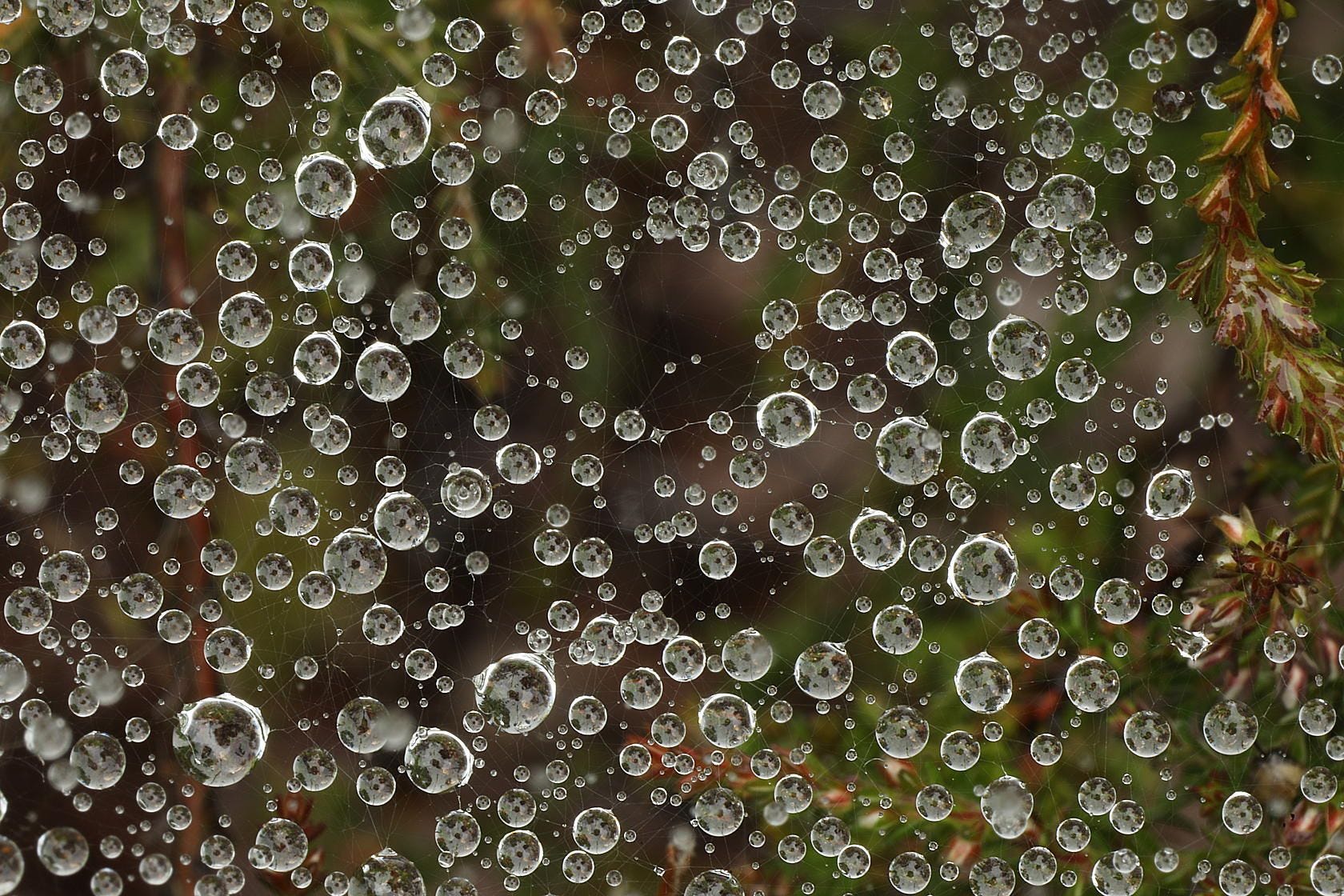
To find out more about Alan, his public speaking, writing, photography and more, visit him at alanwatsonfeatherstone.com. And if you feel like reading about my fantastically unique day with him in Glen Affric, go here.
Glad you’re here, reading the Rewilder Weekly. Share the stories, write your own (and let me know about it), engage with others. Let’s continue to reach out, inspire and activate ever more people around the world. The rewilding movement is growing, and with all of us pitching in, it’ll grow a great deal more!
That’s it for this week’s edition. Eager for more rewilding insights?
get inspired by the lives, decisions, challenges, beliefs and hopes of passionate rewilders with the Meet the Rewilders portraits;
connect with these organizations - sign up for newsletters and support them in any way you can;
join these events - conferences, online seminars, rewilding days and weeks to immerse yourself and learn from the experts;
read these books - a selection from Foreman to Macdonald, and from Tree to Daltun, Hetherington and Bowser;
listen to these podcasts - it’s inevitably inspiring when the likes of Peter Cairns, James Shooter, Ben Goldsmith and Brooke Mitchell talk to the pros in the field;
and check out these resources - explore the principles, ways of funding, research publications and personal ways to start rewilding.
And, of course, connect with and follow the many passionately engaged rewilders. Let’s keep growing the movement! 🦬🌳🐺🌞🌍
Go ahead, do it! 😊 I love comments and you can ask me anything (literally). You can also let me know about projects you come across, article you think I should share - and feel free to throw in tough questions, too - spice of life!
Oh, and please do click the ❤️ (like) button, too. The more ❤️, the more these posts rise in Substack’s algorithm - which means more and more people will discover rewilding, will learn about it, will engage around it, and hopefully will become active rewilders before long. Thanks!
So much good news in this roundup. Thanks!