


Welcome to the latest edition of the Rewilder Weekly. 🦬🌳🐺🌞🌍
This week with the latest rewilder portrait, featuring Alastair Driver, Senior Advisor of the Global Rewilding Alliance and ever so much more - and insightful and inspirational stories from 🇵🇱 Poland, 🇸🇰 Slovakia, 🇬🇧 the UK, 🇨🇦 Canada, 🇺🇸 the US, 🇷🇴 Romania, 🇮🇹 Italy and 🇹🇷 Turkey.
Wishing you a good week!
Cheers,

👉 If you come across stories you’d like to see featured in a future edition of the Rewilder Weekly, send them to me and I’ll gladly do what I can.

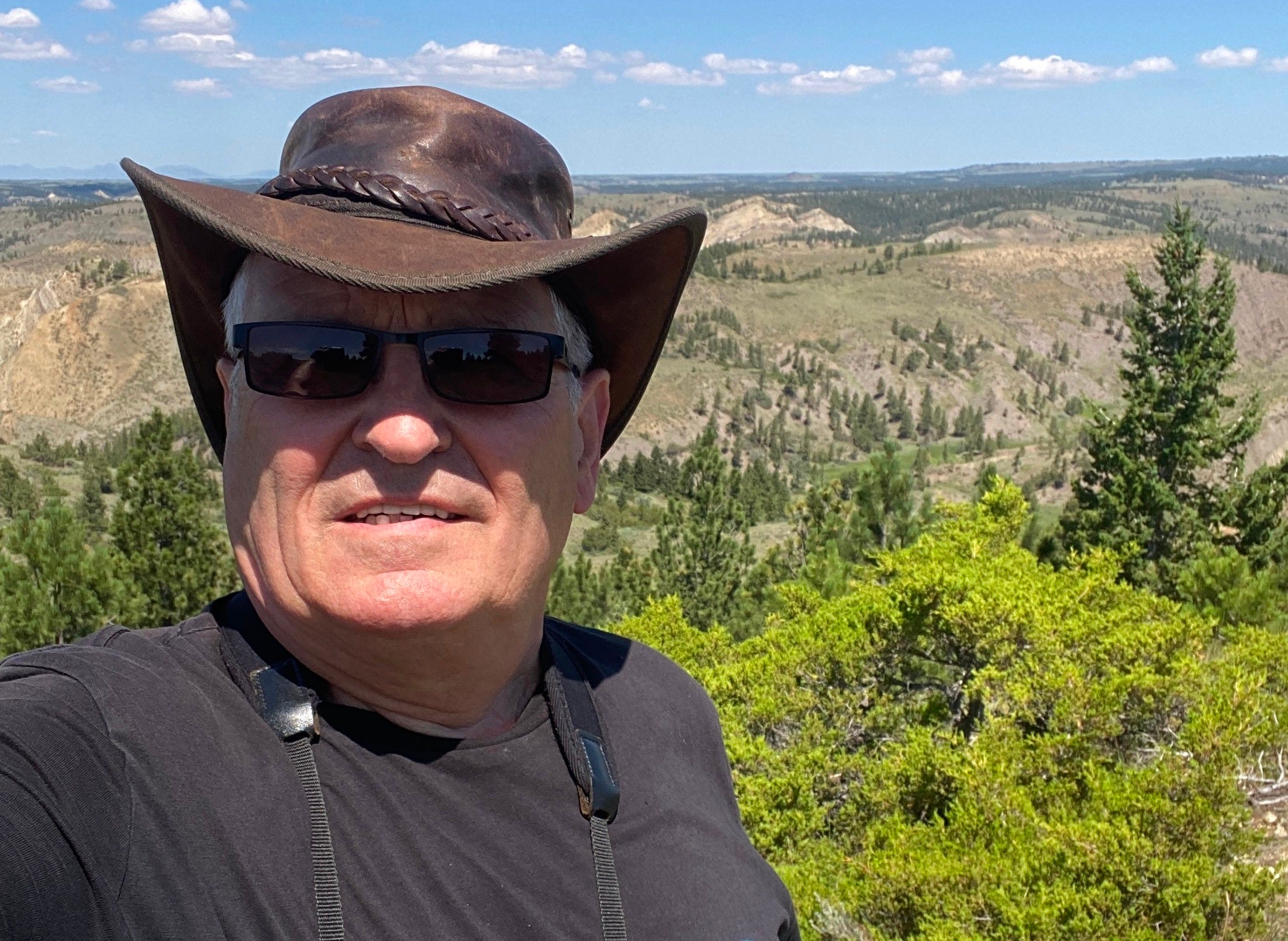
1) Meet the Rewilders: Alastair Driver
Meet the Rewilders is a series that introduces you to people engaged in the rewilding movement across the globe. Today meet Alastair Driver, a rewilder of the first hour with some fifty years of experience under his belt. What an amazing life and portrait - and what a difference he continues to make. Today Alastair is Senior Advisor for the Global Rewilding Alliance, Specialist Advisor for Broughton Sanctuary in Yorkshire, Advisory Board Member for River Action UK, Panel Member on the Natural England Landscape Advisory Panel, Specialist Advisor for Heal Rewilding and Ambassador for Journeys with Purpose and the International River Foundation.
I wish I had an inkling of his energy … then again, no, honestly, I’m quite happy with my tortoise-like nature - but I most certainly admire his amazing drive! Possibly, who’s kidding who, I admire his wife Belinda even more - as does he, as you’ll see in his portrait. 😊
Asked about his hopes for what will have happened in ten years’ time, Alastair says, “I’m pretty sure that the Global Rewilding Alliance will have more than doubled its Alliance Partnership coverage from the current 2M sq kms of land and 5M sq kms of sea, so I hope that by then, many influential countries will have adopted rewilding as a mainstream option for nature recovery and climate change mitigation. If not I’ll have a good excuse to keep on keeping on!”

2) The European Rewilding Network grows and grows
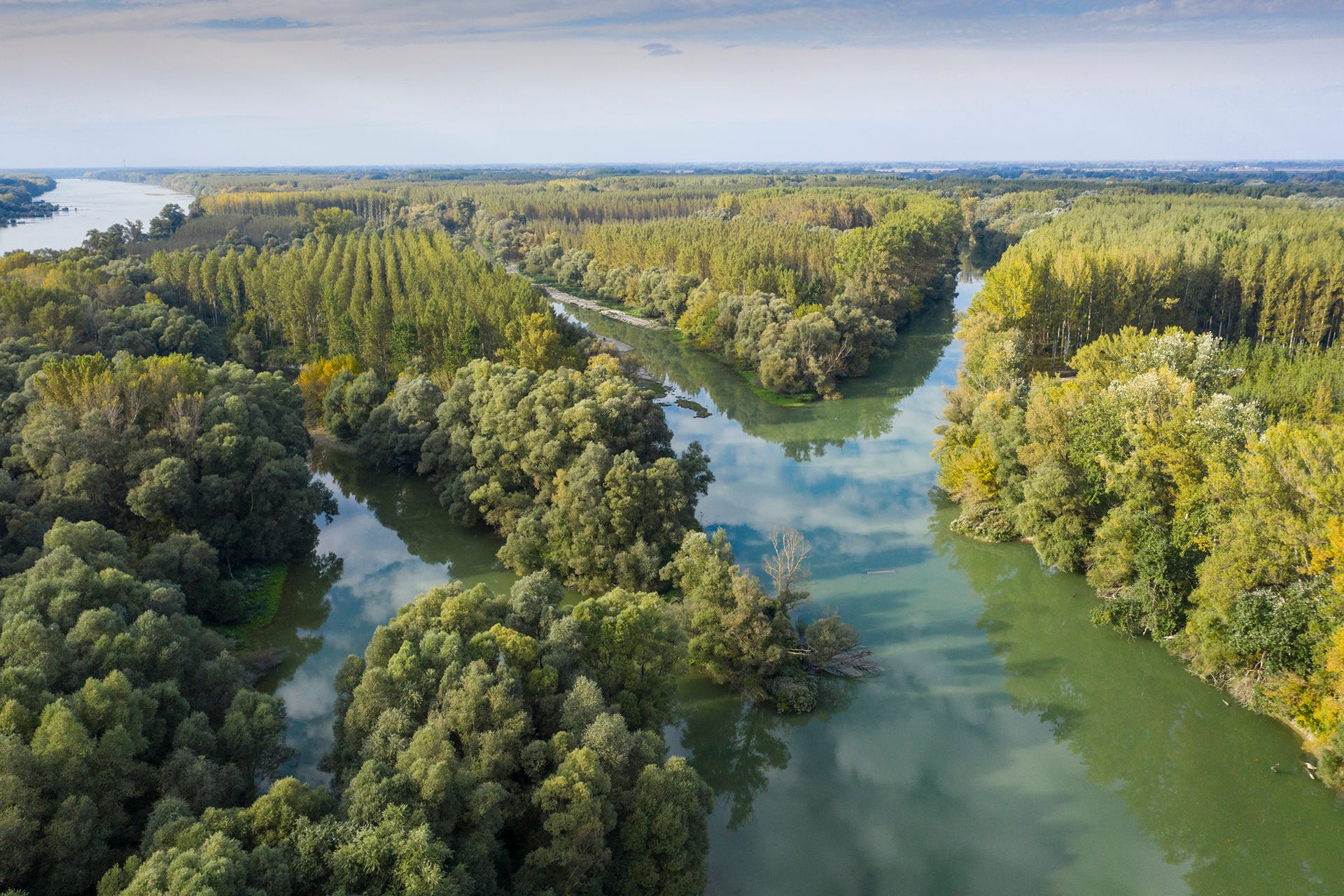
The latest members have just joined, and they mark what the Rewilding Europe calls a ‘Central European expansion’ with the Forever Forest Foundation in Poland and Rewilding Rivers and Danube Floodplains in Slovakia, led by conservation association BROZ. “Their addition marks an important milestone for the network’s expansion in Central Europe, where the rewilding movement is gaining momentum, supported by stronger collaboration, evolving policy, and European funding.”
The European Rewilding Network, founded by Rewilding Europe in 2013, by now brings together over one hundred rewilding initiatives across thirty-two European countries - and at a fantastic scale, too - all of these initiatives combined involve some five million hectares! Rewilding Europe writes, “Both initiatives bring valuable experience to the network, from engaging businesses in restoration to river revitalisation and natural grazing. In turn, they gain access to the knowledge and expertise of fellow practitioners across Europe on topics such as biodiversity monitoring, nature-based financing, and working with local communities.”
3) Reframing nature’s rights
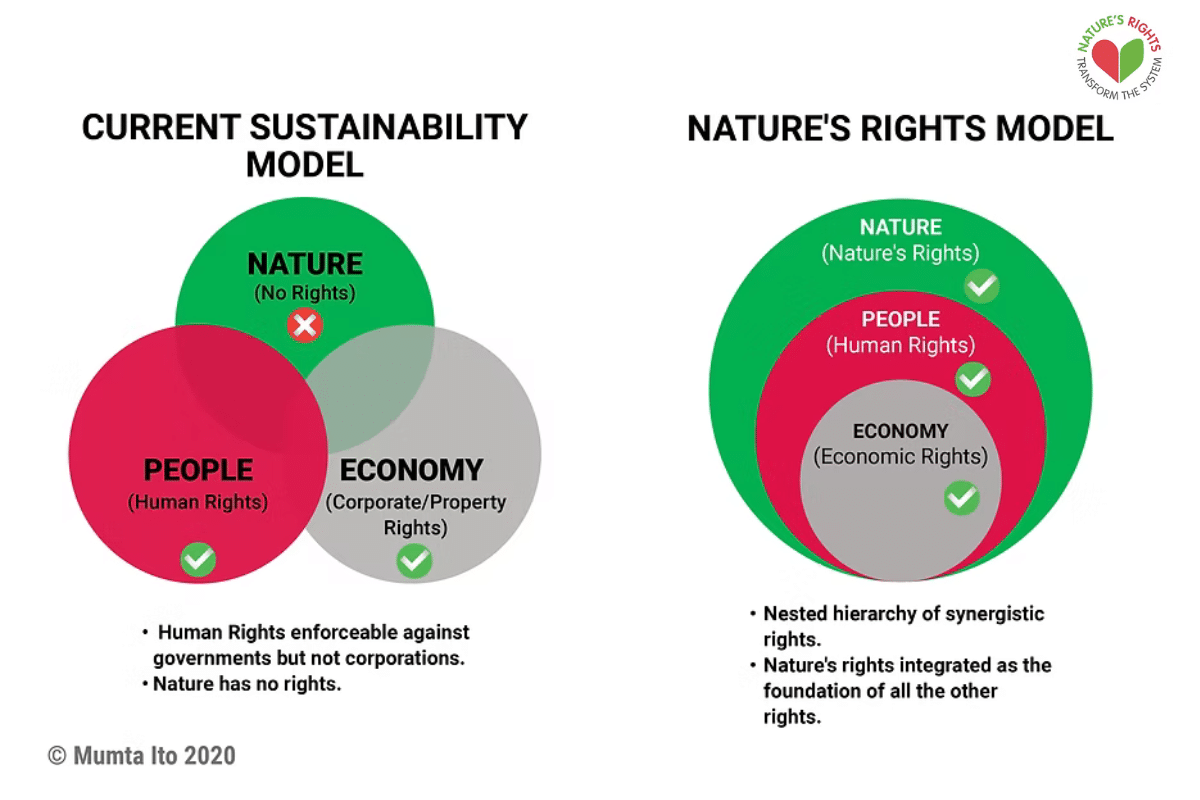
A proposed new law is making its way through the UK’s parliamentary process. Around the world there’s a lot happening with new laws taking nature not just into consideration, but turning from a product into an entity with rights … too often, however, these proposed rights are struggling against the rights of people and corporations. While those laws are on the books and accepted as normal, nature’s rights often fall victim to them.
The UK’s Nature’s Rights Bill takes a new approach with what’s called the Integrated Rights Framework (see image on the right). It would recognize nature not just as a legal subject, but one that all other rights are flowing from. It nicely lays out that nature is the foundation on which everything else stands - it should thus also have the most foundational rights.
While it seems a long shot to me (after all the other players/lobbies will fight this tooth and nail), it clearly is the right approach, one that would set and frame things in ways that would protect, heal and balance at the scale needed for a future foundation all of us can rely on to remain solid.
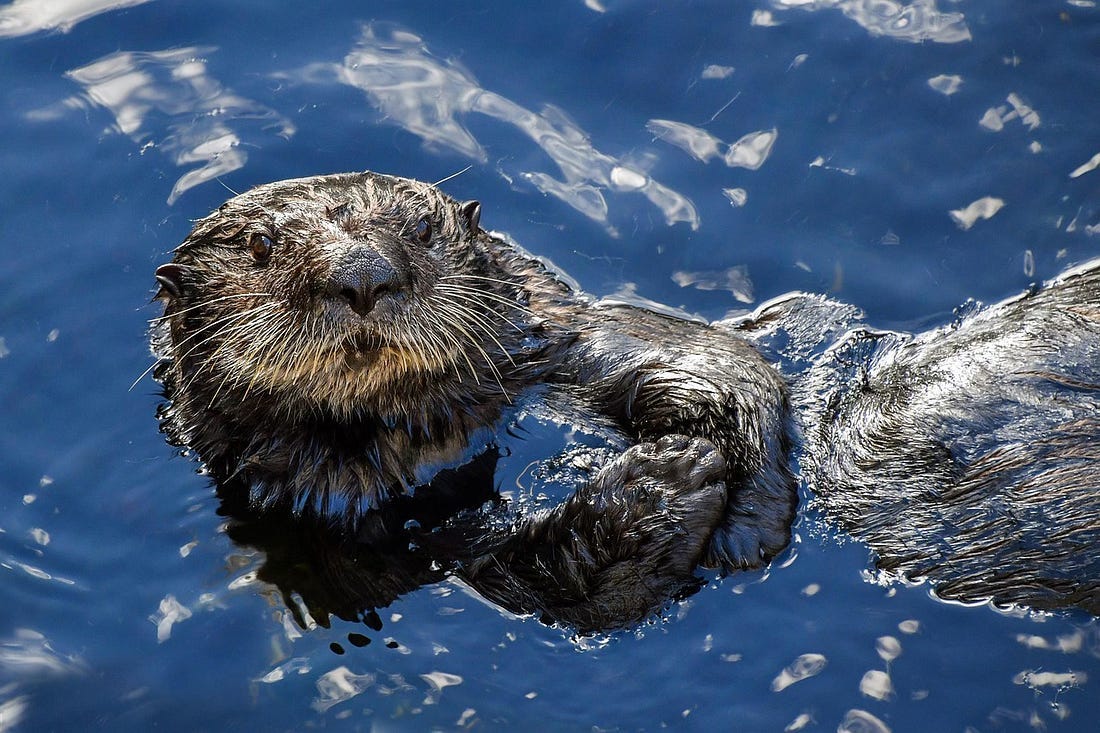
4) Sea otters: the keystone species and ecosystem engineers are threatened by forever chemicals
In her Nature Signals, Ruth Thornton has penned an in-depth look at sea otters, those amazing ecosystem engineers, so important to maintain healthy kelp forests that are habitat for many other species. Ruth also suggests that their incredibly cuteness is scientific fact. 😉 Seriously, though, if no one has ever scientifically studied sea otter cuteness factor, someone should!
As a keystone species, the very presence of these critters has an outsized impact on the environment. They regulate, they maintain, they balance … but they nearly went extinct in the early 1900s because of their amazingly thick fur coats (apparently the thickest of any mammal). While legal protections eventually gave the species a chance to recover, pollution is now a main threat.
Ruth writes: “Much is unknown about the effects of the vast majority of PFAS on the environment and the health of humans and wildlife (only two of the chemicals are well-studied), but researchers are concerned they could cause disease in sea otters. However, there is hope. Some countries are starting to regulate the use of at least some of them and consumers are increasingly becoming aware of their dangers, demanding products that are PFAS-free.”
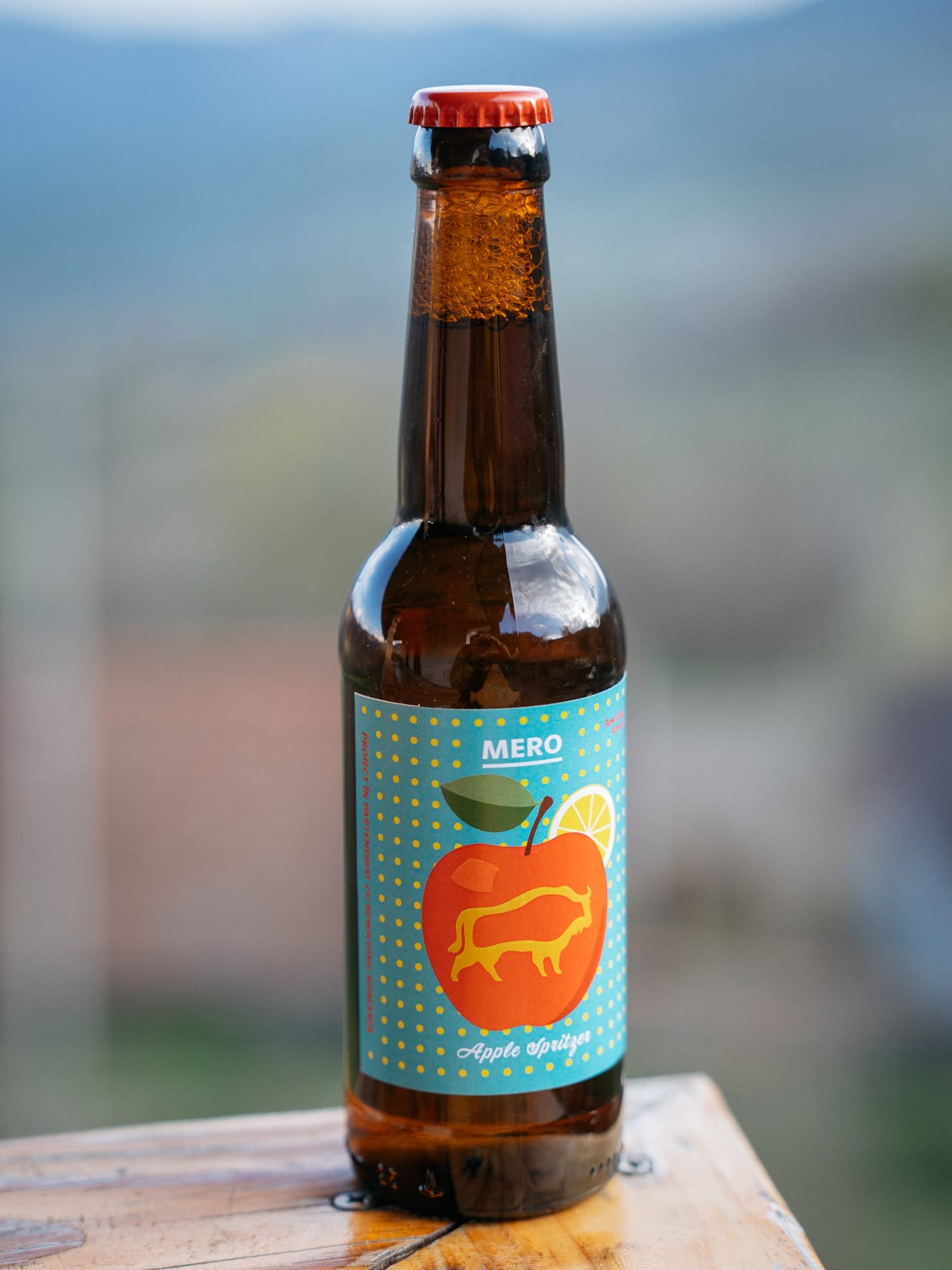
5) Welcome to Romania’s bison country
If you follow this newsletter - or are engaged in rewilding in anyway, you’ll know that Romania’s made great bison strides since 2014, when Rewilding Europe and the WWF began releasing European bison. “Today, after a series of reintroductions, the bison population has grown to about 250, which are concentrated in a 370-square-kilometer area (143 square miles) of mountainous forests in a remote corner of the Carpathians, an area of steep valleys and stunning beauty. Sixty per cent of the area’s bison population today were born here.”
This article focuses on local communities, particularly the town of Armenis, were people today are proud of ‘their’ bison, are ambassadors - and that goes for hunters, too. They were worried that bison and ecotourism might interfere with their hunting - the opposite happened. “With the wild boar following the bison, whose movements dislodge things they can eat. Hunters, rangers and tour guides communicate their whereabouts and routes, alternating days if needed, to avoid dangers to humans or the bison.”
The Imagine5 article tells a great story, with examples from the above drinks, to guesthouses, bakeries, to a woman returning from the Netherlands to open up a horseback excursions business. The bison are a key component of the story, of course, but still just one component. With them, many other elements fall into place, biodiversity increases - so does pride of place. A new balance, healthy, rich, good for everyone.

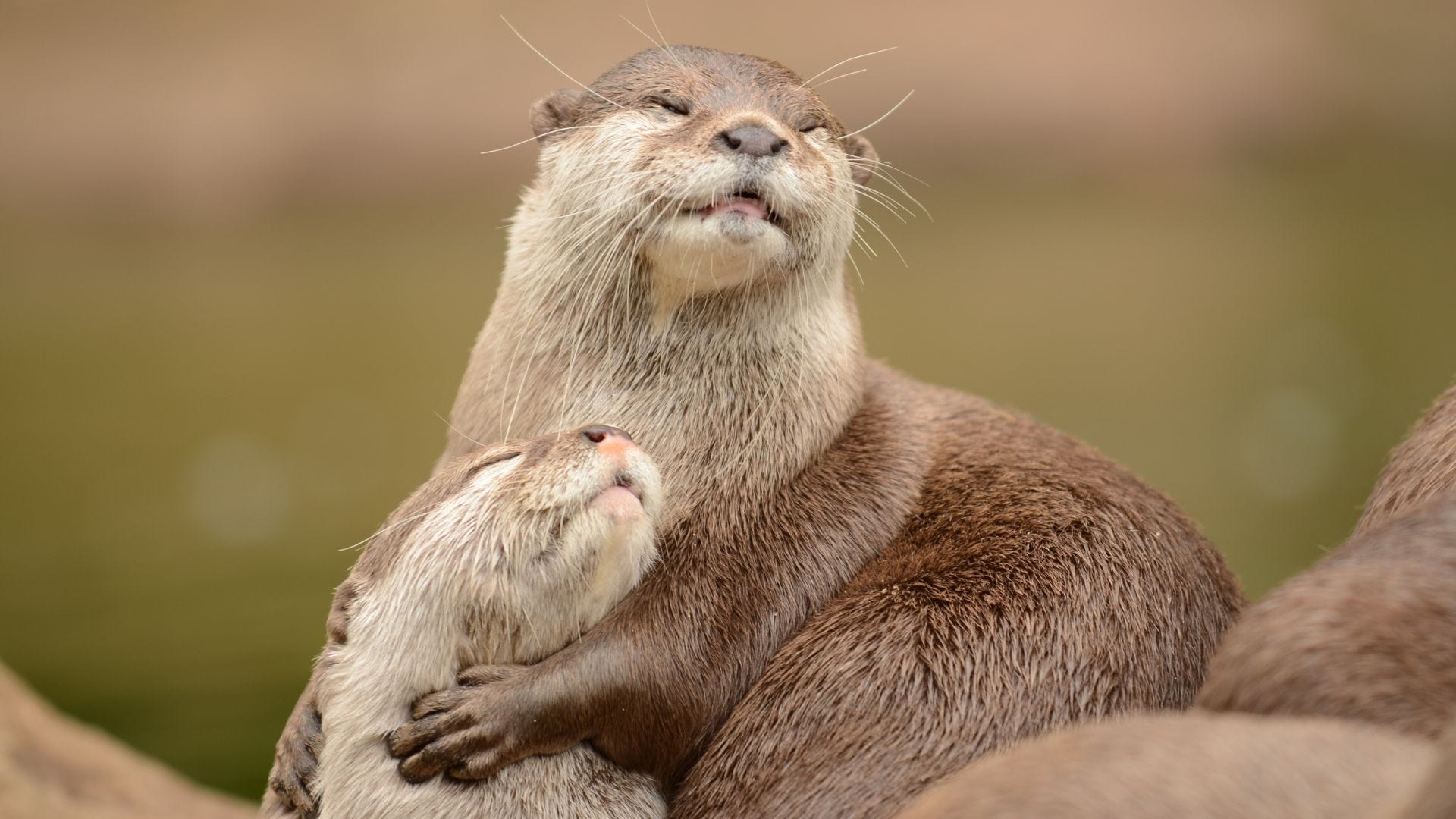
6) Could the otter make a comeback in Sicily?
The Collettivo Rewild Sicily is engaged on many levels and one of this is on the reintroduction of missing species. The otter was still well documented in Sicily until the end of the 19th century, a time of less pollution and a time when most rivers were unhindered by artificial structures. Riverbanks offered rich vegetation for richly diverse fauna, a great place for the otter. Then industrialization hit, habitats disappeared and/or were altered and degraded.
By the 1990s only around 250 otters were left in mainland Italy - today it’s about 1’000, which is still far below minimal viable population levels of 5’000. Now the Collettivo looks at the amazing otter and its chance to once again make Sicily its home - for that to happen, the conditions for a successful return are being created. They say, “The reintroduction of the otter to Sicily is now considered feasible, thanks to a combination of favorable ecological and management factors. Despite historical degradation, some river systems still retain characteristics that suit the species, or that could be restored.”

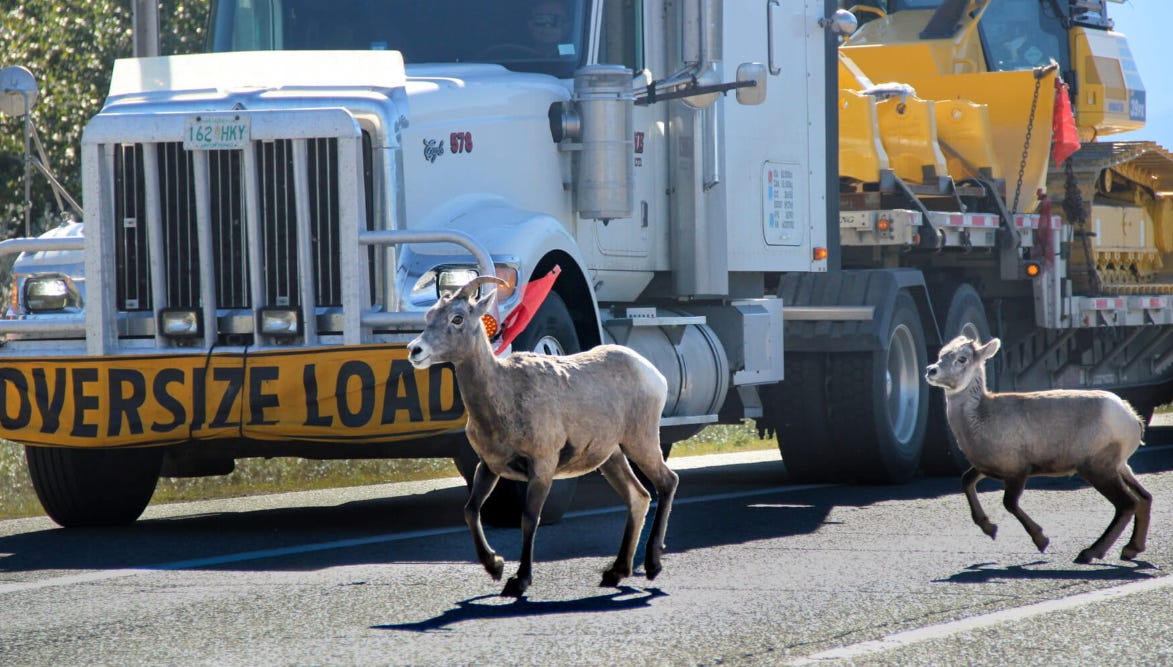
7) The global movement for wildlife crossings
Glen Goldfarb wrote the book on wildlife crossings, literally. He highlights that some forty million miles of roadways crisscross the earth and examines what all of this convenience for the human species means for wildlife - roads represent, for nature, a catastrophic maze of disruption, isolation and death. He says that, in the US alone, a million animals become what is so aptly and crudely named: roadkill. But it goes even further - roads impact the world around them, they pollute with chemicals and with noise that, again, disrupts and destroys.
In his article, penned for Mongabay, he lays out the threats and consequences, but also shows what projects and movements are underway around the globe as the disastrous effects of roads have been realized. He shares examples of overpasses and underpasses and the difference they make in places from the US to Canada and from the Netherlands to Croatia. There are massively expensive examples, and there are cost-effective ones with ropes strung from tree to tree to help certain species pass. As the cited example from Nepal, it should absolutely be mandated by law that any new road needs to incorporate over or underpasses to enable to free flow of nature.
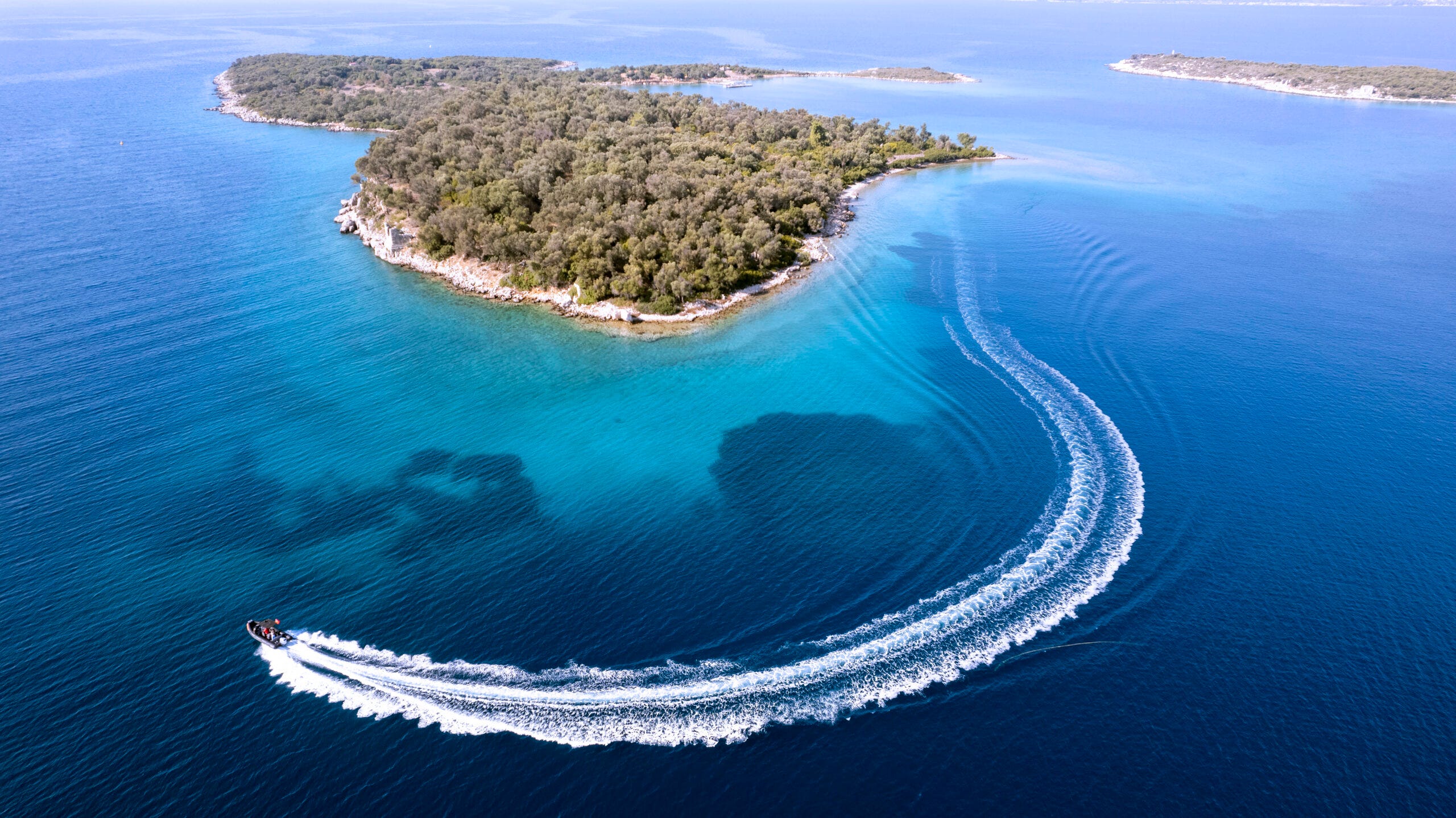
8) Scaling up marine restoration in Turkey
A fantastic story shared by the Iona Haines, Communications and Network Coordinator of the Endangered Landscapes & Seascapes Programme. They started supported one particular project - Gökova Bay and Cape Gelidonya - in 2019, with the hope of building on the model. They sure did! Over the course of the past years, the project has grown to support 500 kilometers’ worth of Turkish coast with stronger protections, ranger patrols, supported fishing communities and even new markets for invasive fish species. Great story, beautifully illustrated, too.
The roaming rangers make a huge difference, as do the local fishers who share their nature recovery stories with other fishers. By now, sandbar sharks are back - makes good sense now that fish populations are recovering. And monk seals are returning to breed where they feel protected. As always nature protection in isolated areas is better than nothing, but it ultimately doesn’t help and doesn’t move the needle. What moves the needle is scale - and this example of connecting habitats across 500 kilometers of coastline - now that’s some serious scale. Bravo.

To conclude this week’s edition, rewilding legend and Trees for Life founder Alan Watson Featherstone shares with us a bit of his iconic photography that often takes a look at nature in a way that’s far closer to what we ordinarily perceive in passing. Alan takes time - as we all should.
In his words, “If everyone would take the time to look at & appreciate Nature more, instead of focussing on 'endless economic growth', political infighting, wars etc., the world would be a much better place.”
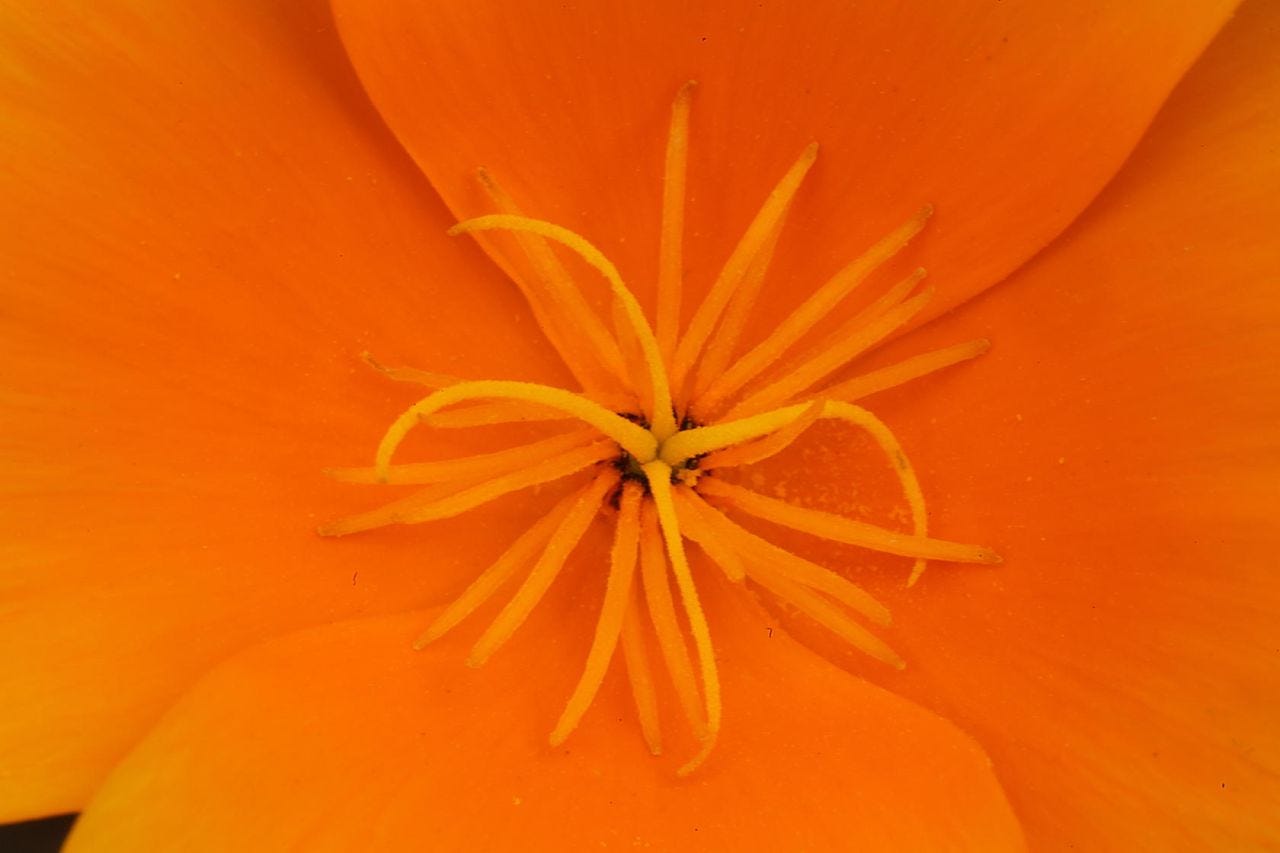
To find out more about Alan, his public speaking, writing, photography and more, visit him at alanwatsonfeatherstone.com. And if you feel like reading about my fantastically unique day with him in Glen Affric, go here.
Glad you’re here, reading the Rewilder Weekly. Share the stories, write your own (and let me know about it), engage with others. Let’s continue to reach out, inspire and activate ever more people around the world. The rewilding movement is growing, and with all of us pitching in, it’ll grow a great deal more!
That’s it for this week’s edition. Eager for more rewilding insights?
get inspired by the lives, decisions, challenges, beliefs and hopes of passionate rewilders with the Meet the Rewilders portraits;
connect with these organizations - sign up for newsletters and support them in any way you can;
join these events - conferences, online seminars, rewilding days and weeks to immerse yourself and learn from the experts;
read these books - a selection from Foreman to Macdonald, and from Tree to Daltun, Hetherington and Bowser;
listen to these podcasts - it’s inevitably inspiring when the likes of Peter Cairns, James Shooter, Ben Goldsmith and Brooke Mitchell talk to the pros in the field;
and check out these resources - explore the principles, ways of funding, research publications and personal ways to start rewilding.
And, of course, connect with and follow the many passionately engaged rewilders. Let’s keep growing the movement! 🦬🌳🐺🌞🌍
Go ahead, do it! 😊 I love comments and you can ask me anything (literally). You can also let me know about projects you come across, article you think I should share - and feel free to throw in tough questions, too - spice of life!
Oh, and please do click the ❤️ (like) button, too. The more ❤️, the more these posts rise in Substack’s algorithm - which means more and more people will discover rewilding, will learn about it, will engage around it, and hopefully will become active rewilders before long. Thanks!
Great call to the Most Reverend and Right Honourable Sarah Mullally, Daniel
Thanks for your engagement