


Welcome to the latest edition of the Rewilder Weekly. 🦬🌳🐺🌞🌍
This week with the latest rewilder portrait, featuring Harvey Tweats, Director of Celtic Rewilding - as well as inspiring and insightful stories from 🇨🇭Switzerland, 🇦🇺 Australia, 🇳🇱 the Netherlands, 🇲🇽 Mexico, 🇬🇧 the UK and 🇪🇸 Spain.
Wishing you a good week!
Cheers,

👉 If you come across stories you’d like to see featured in a future edition of the Rewilder Weekly, send them to me and I’ll gladly do what I can.

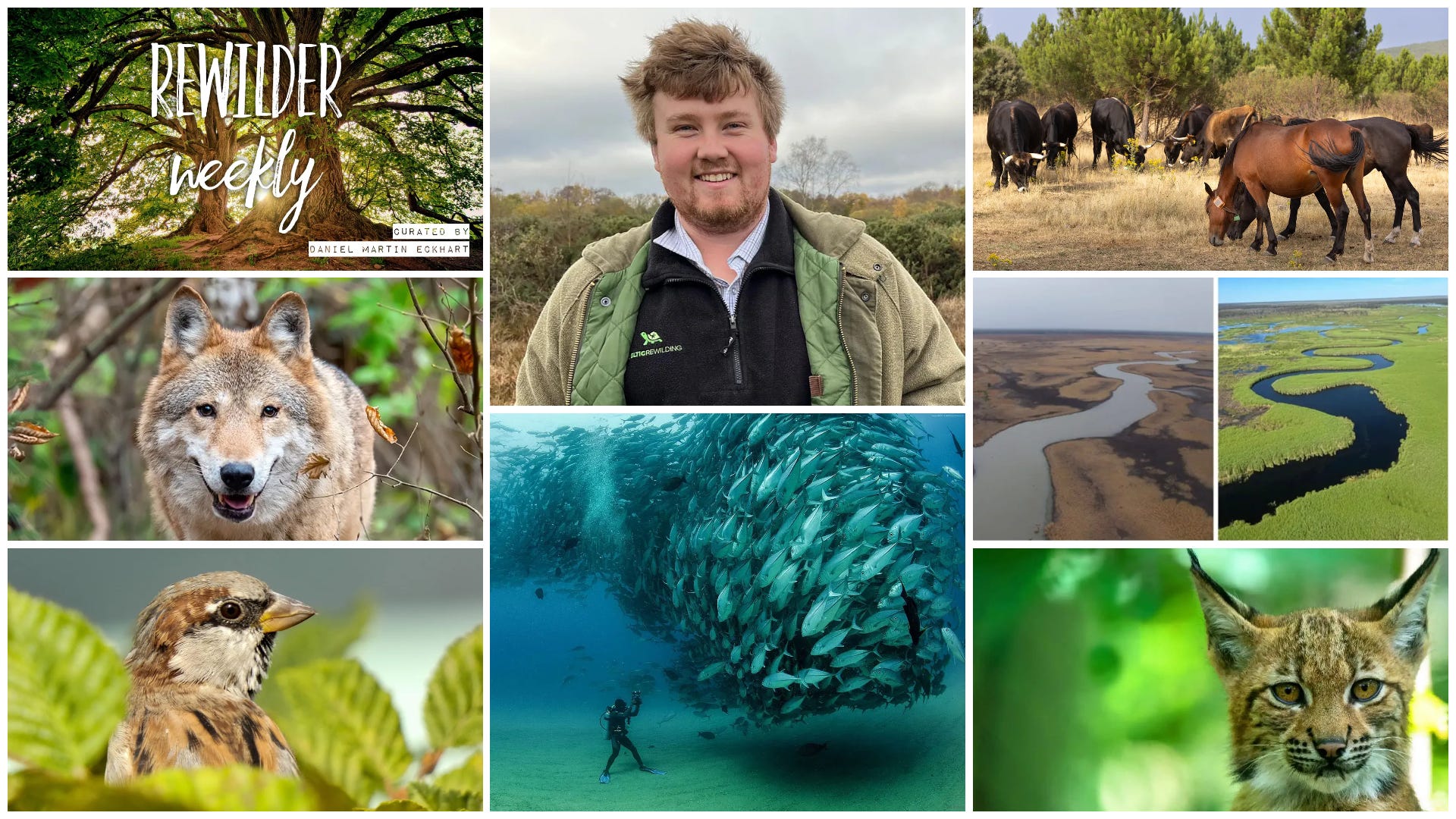
1) Meet the Rewilders: Harvey Tweats
Meet the Rewilders is a series that introduces you to people engaged in the rewilding movement across the globe. Today meet Harvey Tweats, Director of Celtic Rewilding - an ecological restoration firm with a particular focus on returning lost native species - such as amphibians, reptiles and birds - to the British landscape. With Harvey, the fascination for nature hasn’t grown, it’s always been there. Even as a teenager he already spent his summers working in a plant nursery - something that offered lessons for life.
I love what he says about getting things done. He believes that “Good conservation lives in the balance between three things that constantly pull against one another: delivery, planning and standards. You have to actually get work done on the ground, too much of our sector mistakes intention for action, but delivery without rigorous planning is just enthusiasm, and planning without high standards produces work that doesn't survive contact with scrutiny or with the real world. Holding all three in tension is the whole discipline. Drop any one of them and the project, sooner or later, fails.”

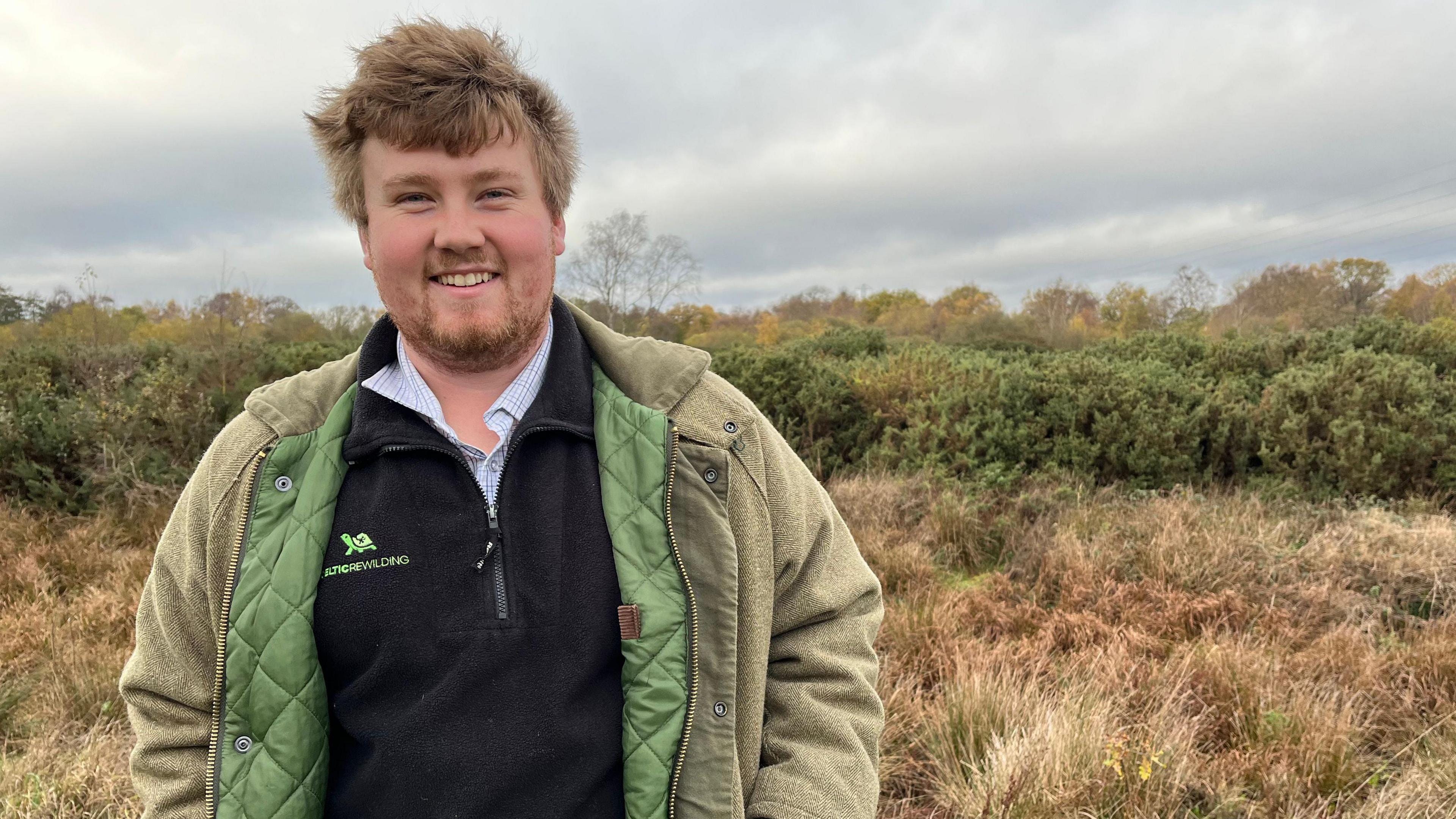
2) EDUWOLF: Welcome to the fascinating world of the wolf
The Mission Wolf in Switzerland is a research project and forms part of the Swiss Wolf Group association. The objectives of Mission Wolf are two-fold: 1) to collect comprehensive data that helps official bodies make informed decisions on wolf pack management and to provide factual and scientific information to improve wolf knowledge; and 2) to enhance public understanding of wildlife with education programs for both adults and children.
For over a year already, Sonny Folliot and Isabelle Germanier are trying to bring education on the topic of wolves back to the French-speaking part of Switzerland with the EDUWOLF Program. As they rightly say, “Educating the public has definitely not been a federal or cantonal priority, and many people feel completely in the dark on the subject of wolves. The mission we carry out is simple: educate the public on the topic of wolves, and create dialogue between the heavily divided parts of our society. For example, we carry out debates with 15-18 year olds where they role-play shepherds, politicians, NGOs and scientists and understand WHY each stakeholder sees the wolf the way they do. No bad guy, no good guy - just a society adapting to a new pressure on a historically and ecologically sensitive topic.”
We all have our biases, we all have our blinders - the great work by EDUWOLF is indeed something that should be at the heart of the government’s (federal and cantonal) responsibilities. Instead of ideologies, there should be facts - and future generations growing up with a clear understanding of what it means - and what it takes - to have biodiversity-rich, sustainable, healthy nature. Fantastic effort. Bravo, EDUWOLF!
3) After decades of logging, 33’000 hectares in Australia are now protected under Indigenous ownership
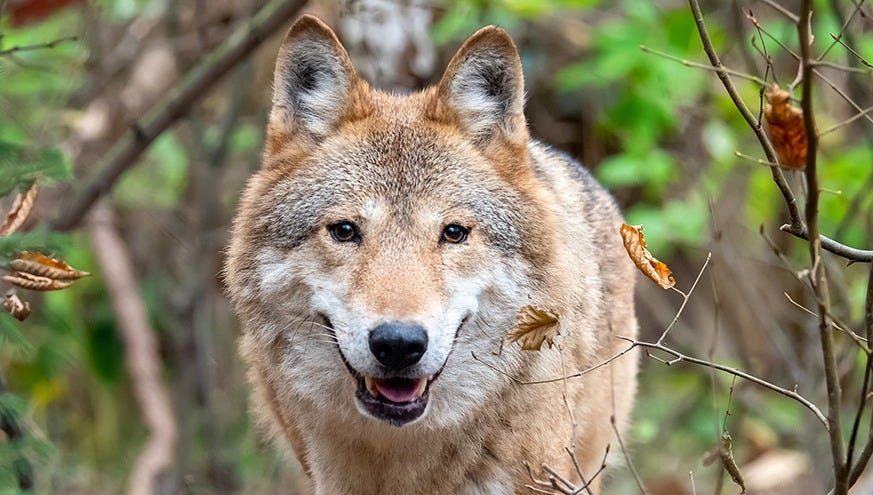
The Australian government writes that “the Great Cumbung is one of the largest remaining reed and river gum wetlands of its kind in the Murray–Darling Basin. The wetland plays a critical role in storing carbon and regulating greenhouse gases, with further opportunities possible through ongoing restoration.” For decades, the lands had been used for logging cattle grazing purposes. When the property came up for sale in 2019, The Nature Conservancy (together with others) was quick to jump in and purchase it to prevent further degradation.
Since then grazing pressure has been reduced and natural flooding has done the rest - I mean just look at the picks for the difference even a few years can make. This year TNC Australia has sold the lands to the Nari Nari Tribal Council. There will be some commercial use, but overall the intent is nature’s long-term health. They restore wetlands (bulldozing embankments and opening channels to allow floodwaters to move freely, filling lignum wetlands and providing essential habitat for breeding birds) and focus on sustainable agriculture.
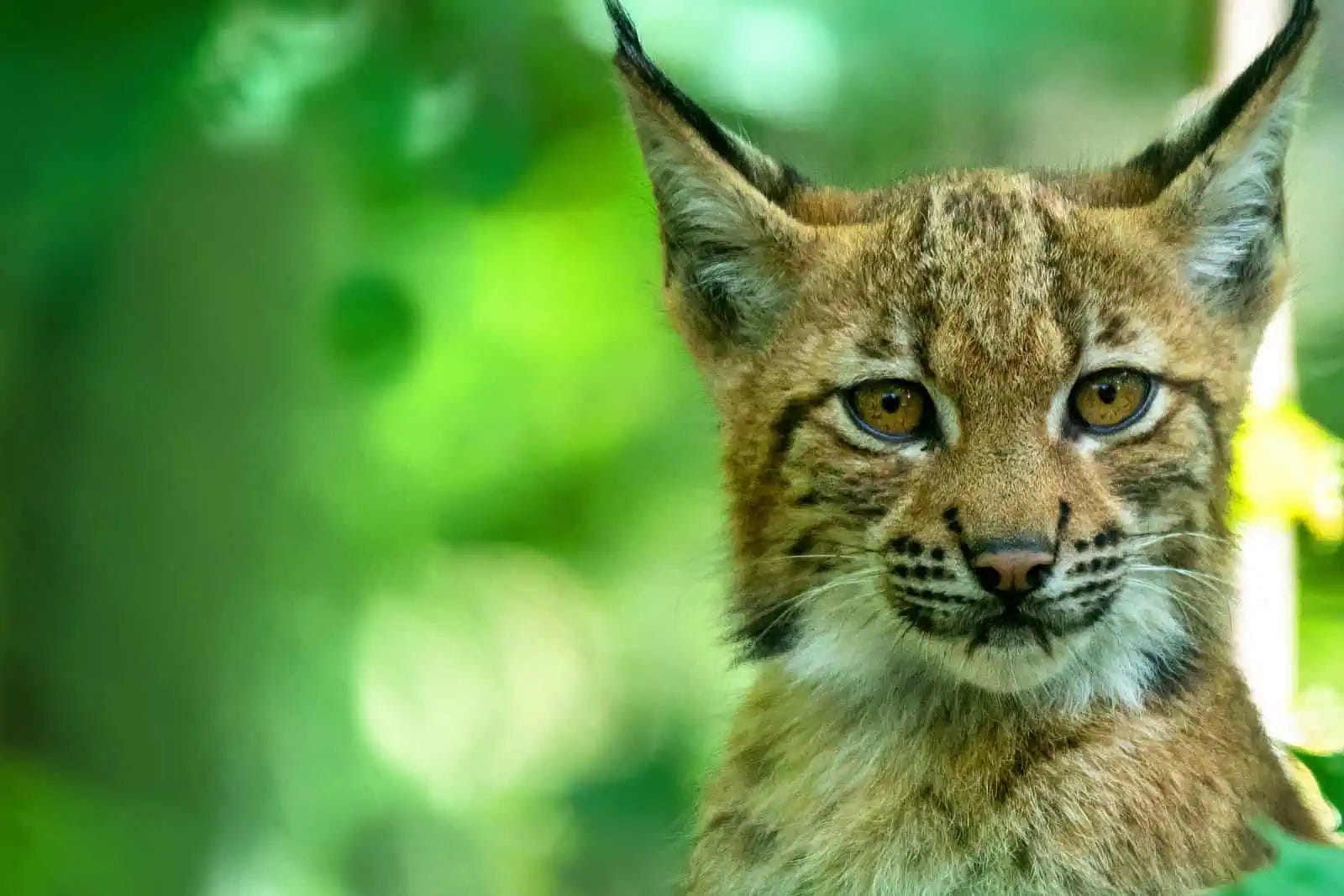
4) Could the Eurasian lynx return to the Netherlands?
The Rewilding Academy’s Arend de Haas reports on a new study by Sophie Trenning about the lynx and the Netherlands - are they a good match? Trenning’s research has shown that, yes, the country is ready for the lynx from an ecological point of view - but that society and governance are still lagging behind … I find that, unfortunately, that’s pretty much always the story when it comes to species reintroductions.
Once a society has forgotten about coexistence with a species, it always becomes a tangled endeavor fraught with hurdles of tradition, perspective, ownership and control. And those against such reintroductions will either shout their Nay, or will magnanimously says Yeah, but only after new and ever more studies and surveys and consultations have taken place. I am against guerilla action of illegally releasing species - but I do understand actions such as beaver bombing in the UK. When the system is too firmly shaped to protect the status quo on one side, and the urgency for healthy nature presses on the other …
Preparation, creating solid foundations, is the ideal - but we don’t live in an ideal world. Entrenched minds (most often the vocal minority) will remain opposed. What matters are laws that embed protection and coexistence measures. All else, until the lynx arrives, remains theory. Adaptation (and positive friction - i.e. learning) will happen when the lynx is actually there.
👉 Up for some stunning lynx awesomeness?
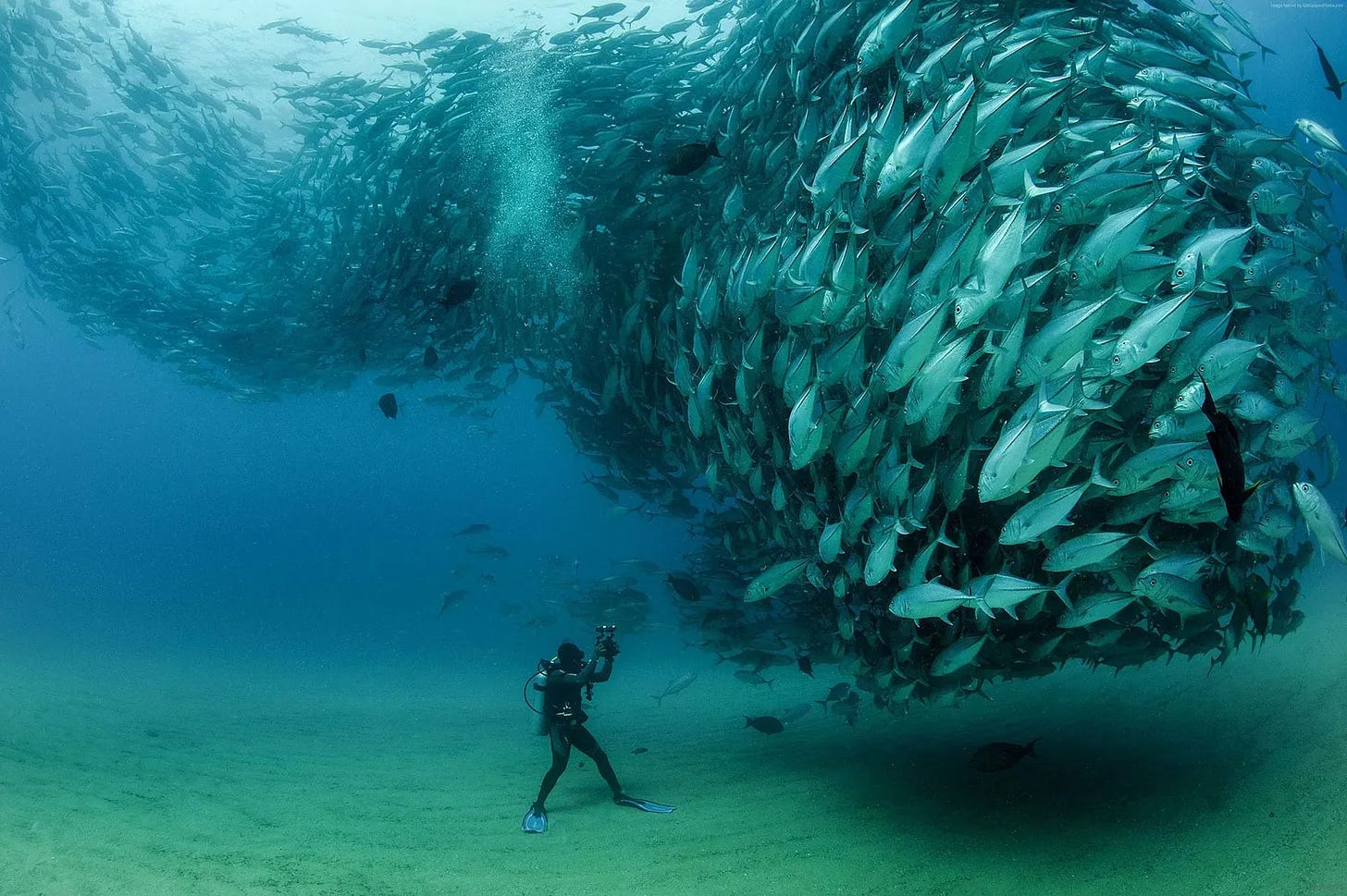
5) The miracle of Cabo Pulmo in Baja California
Erik Olsen traveled with his two sons - both passionate divers like himself - to the tip of the Baja Peninsula, to the Cabo Pulmo National Park, that represents a fantastic story of nature recovery. By the 1990s the local fisherman saw their catches decline because of constant overfishing. They chose to do something rare, deciding that it was best to stop fishing altogether. A collaboration with scientists and conversationists persuaded the Mexican government to establish the national park - 27 miles of reef and surrounding waters.
This article doesn’t just tell the history of recovery (in just 10 years the total reef biomass increased by a remarkable 463 percent, one of the largest recoveries ever documented inside a marine reserve), it also takes you right into the waters. Erik writes, “I was blown away by not only the sheer number of fish, but also by their size. Visiting Cabo Pulmo had been a dream of mine for years. Now the dream is to go back.”

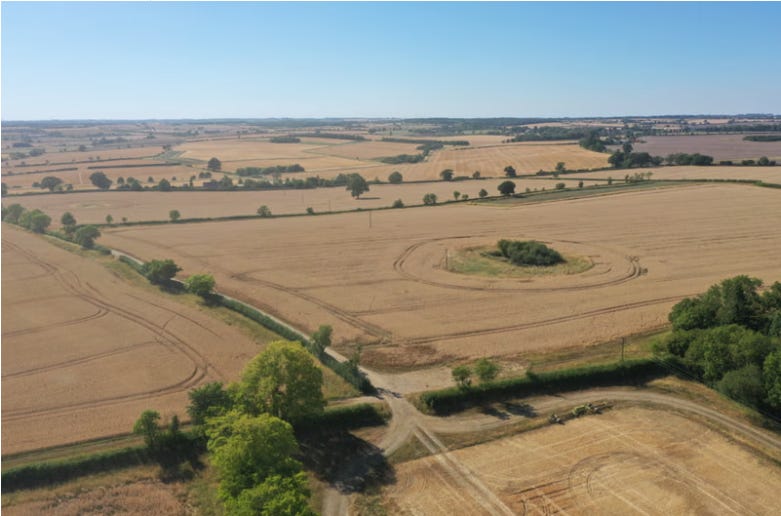
6) Boothby Lodge Farm: The story of its rewilding journey from 2022 to today
Boothby Lodge Farm was a perfect example of extensively farmed land in the UK until just a few years ago. It was business-owned with an absentee landlord and a contracted farmer with big machines produced wheat and beans. A bit of the land was also used to release pheasants so that they could be shot. In all, the farm made £250’000 profit - half of which came from government subsidies. A few made money, the government paid, and the land grew poorer and poorer with 92% of Boothby being plowed … then the government decided to switch gear and those subsidies will no longer simply flow by 2027 - the land came up for sale - and so, in 2021, Nattergal purchased it - Boothby Lodge Farm was set to become Boothby Wildland.
In a super-long (but wonderful read) article, The Guardian takes you to Boothby with a year after year account from 2022 to today. Charlie Burrell (owner of Knepp Estate), Neil Perry (in charge of Nattergal) and Ivan de Klee (Nattergal’s Chief Nature Officer - love the title) are taking you through the experience as they engage local communities, field questions, explain processes … and the changes that have taken place in just a few years are astounding. Charlie Burrell (he of the Knepp Estate) knows what he’s talking about - they’ve done it before, they have the proof and what they’ve done has shown to be best practice, applicable at Boothby and elsewhere.

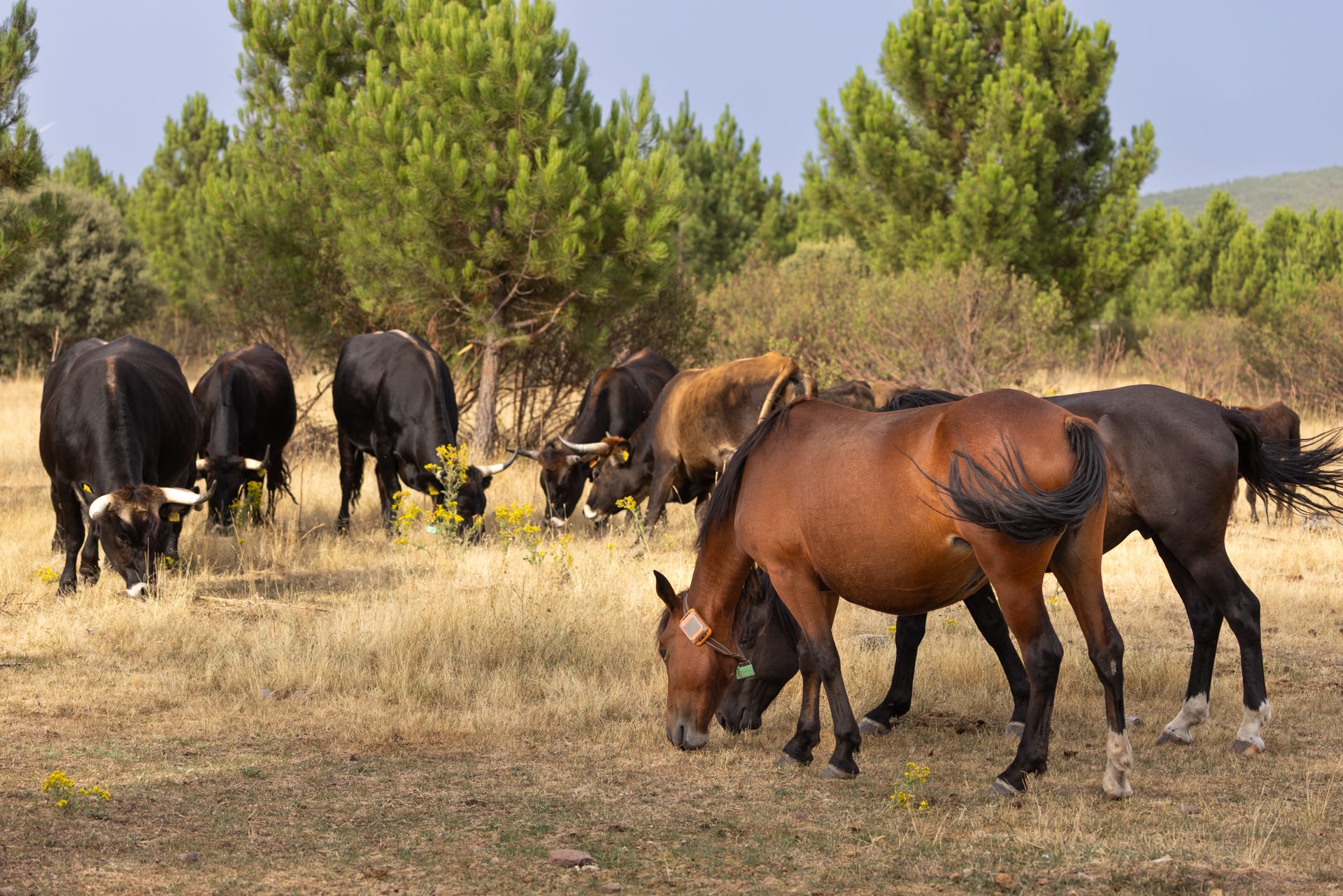
7) Changing laws for wild herbivores
With the very essence of rewilding being that of wilder nature should lead and should be allowed to flow freely, it often finds itself knocking up against existing laws that are not fit for purpose. The topic of wild herbivores, as Rewilding Europe explains, is one such mismatch. You see, existing rules treat wild large grazers like the Tauros as livestock - and that comes with host of do’s and don’ts that make sense for the farming industry, but none for wild animals.
The Lifescape Project, Rewilding Europe and Rewilding Spain are tackling this issue with the aim to create legal frameworks suitable for wild and semi-wild herbivores. First successes have come about in the Iberian Highlands, on the Castilla-La Mancha rewilding landscape where wild horses, Tauros cattle and European bison roam. Regional laws have been adjusted - but on the European level the EU Commission still needs to recognize it. What’s happened on Castilla-La Mancha, offers a roadmap for rewilders around Europe. May many learn from this and tackle nature-negative laws everywhere.
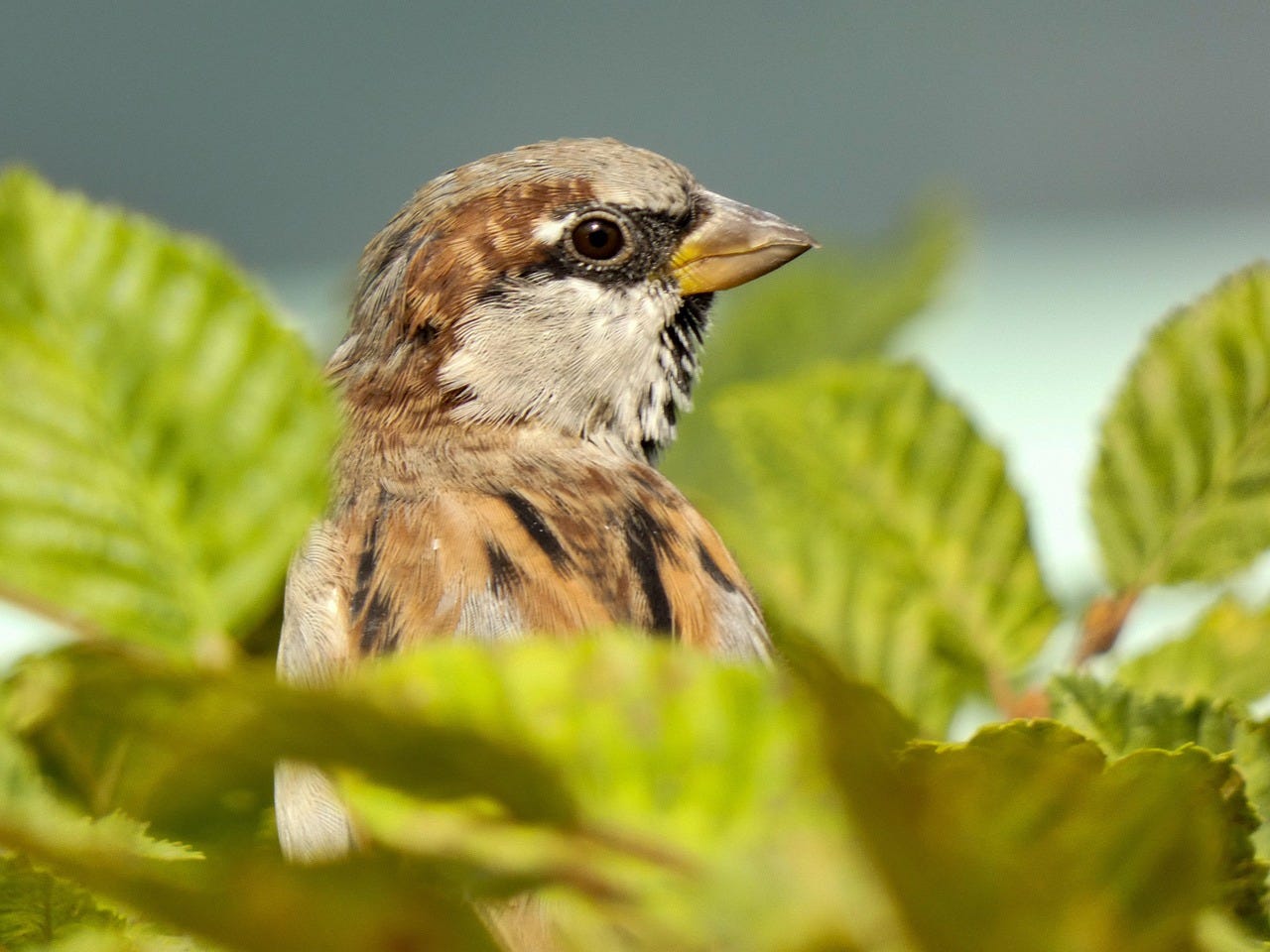
8) Birdsong: our vanishing everyday connection to the natural world
The Guardian has published an illuminating piece about birds in the UK. It is well known that nature abundance overall is in decline, species disappear, go regionally (or entirely) extinct and most people don’t even notice. One clear indicator of things gone very wrong are windshields of cars once splattered with countless insects, now barely any. But about birds? What if you could hear the vanishing?
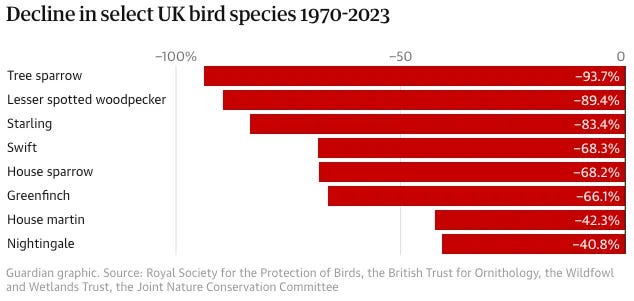
Because of the dreaded shifting baseline syndrome, we barely notice that millions fewer birds are around, that the population decline of ersthile ubiquitous species like house sparrows and starlings is massive The Guardian article offers a sound experience that allows you to listen to birdsong over the course of the past fifty years … it’s sobering to hear what we have ‘accomplished’ in just fifty years - and it should lead to an immediate overhaul of government priorities. Will it? Of course not.

To conclude this week’s edition, rewilding legend and Trees for Life founder Alan Watson Featherstone shares with us a bit of his iconic photography that often takes a look at nature in a way that’s far closer to what we ordinarily perceive in passing. Alan takes time - as we all should.
In his words, “If everyone would take the time to look at & appreciate Nature more, instead of focussing on 'endless economic growth', political infighting, wars etc., the world would be a much better place.”
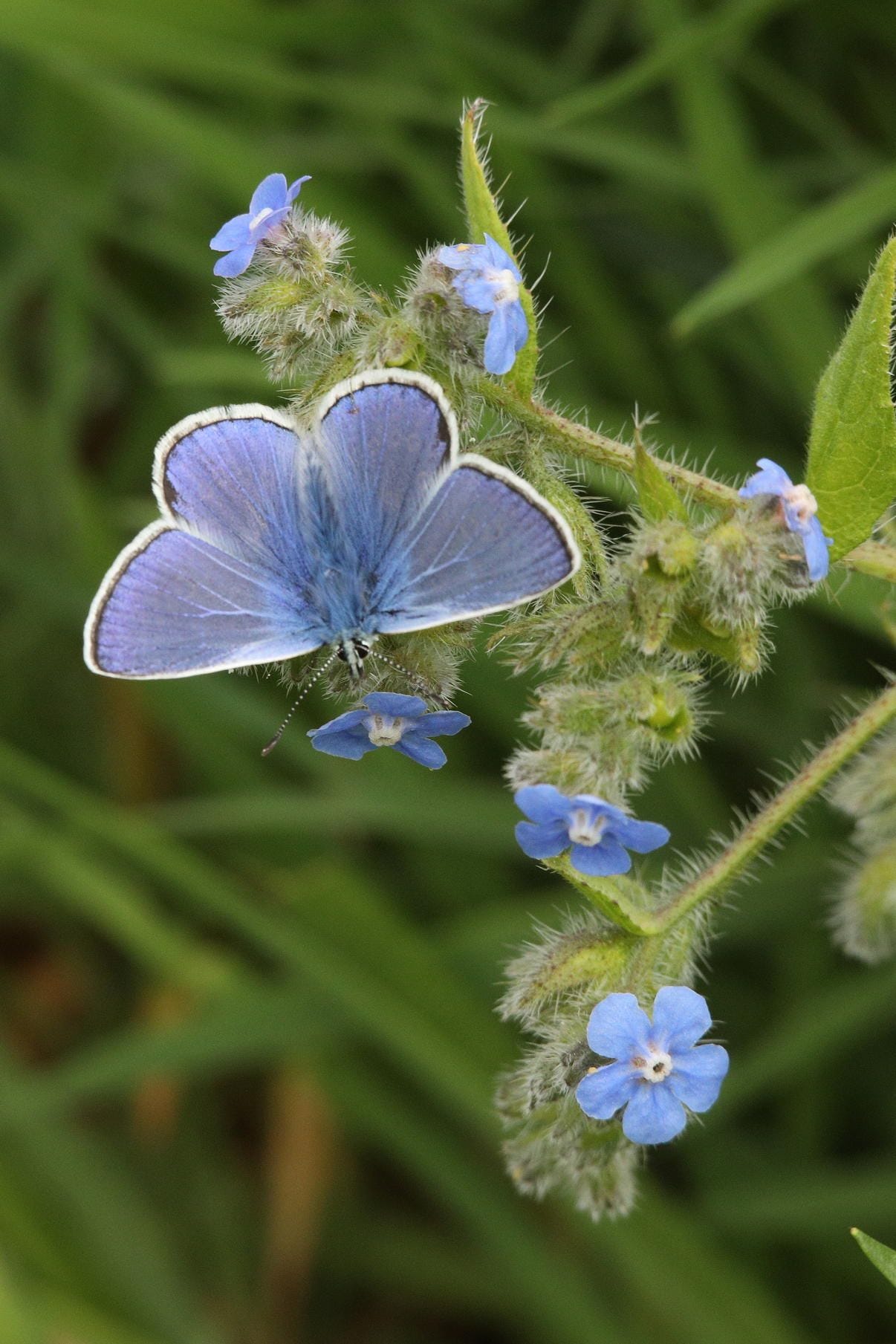
To find out more about Alan, his public speaking, writing, photography and more, visit him at alanwatsonfeatherstone.com. And if you feel like reading about my fantastically unique day with him in Glen Affric, go here.
Glad you’re here, reading the Rewilder Weekly. Share the stories, write your own (and let me know about it), engage with others. Let’s continue to reach out, inspire and activate ever more people around the world. The rewilding movement is growing, and with all of us pitching in, it’ll grow a great deal more!
That’s it for this week’s edition. Eager for more rewilding insights?
get inspired by the lives, decisions, challenges, beliefs and hopes of passionate rewilders with the Meet the Rewilders portraits;
connect with these organizations - sign up for newsletters and support them in any way you can;
join these events - conferences, online seminars, rewilding days and weeks to immerse yourself and learn from the experts;
read these books - a selection from Foreman to Macdonald, and from Tree to Daltun, Hetherington and Bowser;
listen to these podcasts - it’s inevitably inspiring when the likes of Peter Cairns, James Shooter, Ben Goldsmith and Brooke Mitchell talk to the pros in the field;
and check out these resources - explore the principles, ways of funding, research publications and personal ways to start rewilding.
And, of course, connect with and follow the many passionately engaged rewilders. Let’s keep growing the movement! 🦬🌳🐺🌞🌍
Go ahead, do it! 😊 I love comments and you can ask me anything (literally). You can also let me know about projects you come across, article you think I should share - and feel free to throw in tough questions, too - spice of life!
Oh, and please do click the ❤️ (like) button, too. The more ❤️, the more these posts rise in Substack’s algorithm - which means more and more people will discover rewilding, will learn about it, will engage around it, and hopefully will become active rewilders before long. Thanks!