


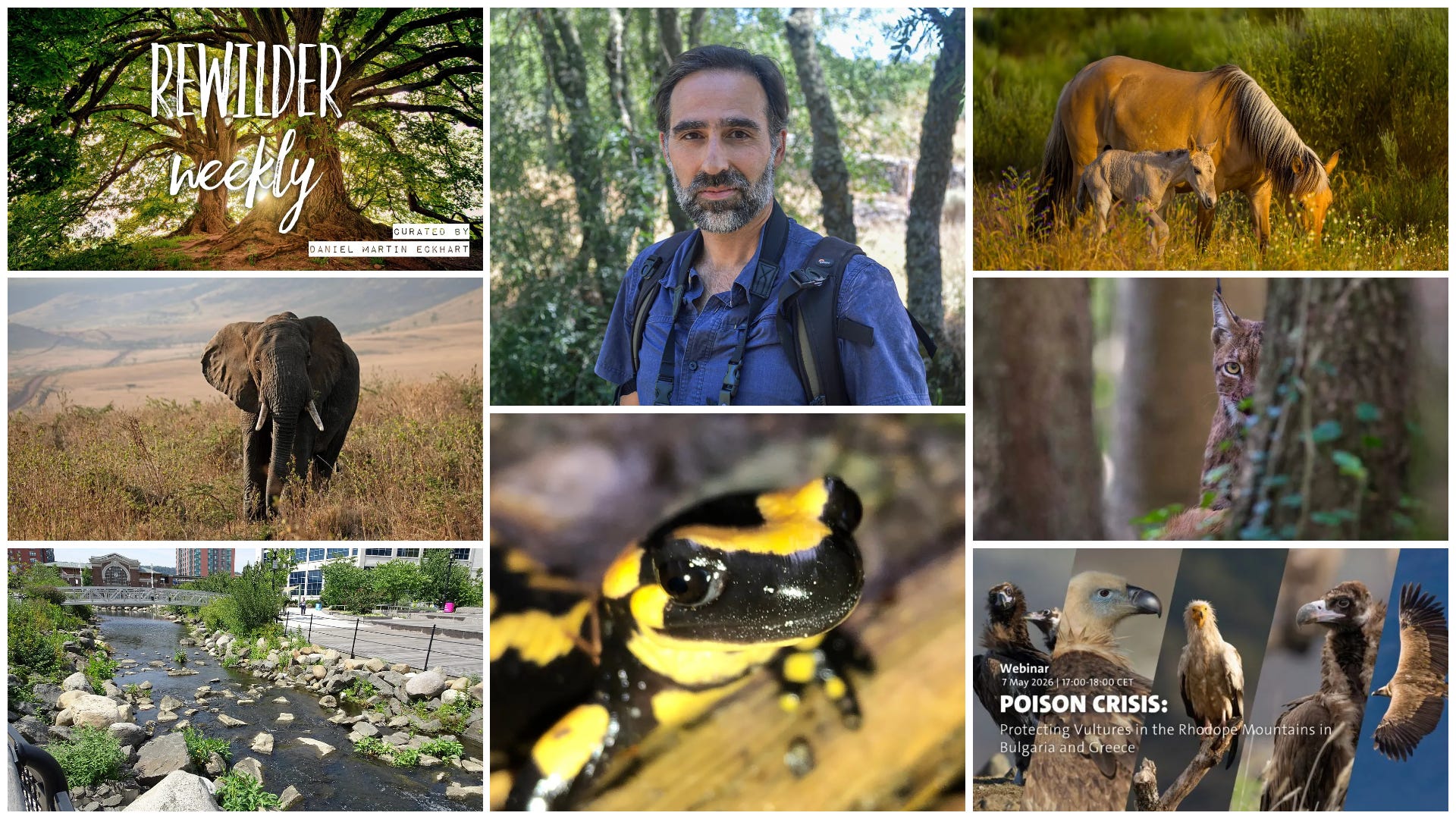
Welcome to the latest edition of the Rewilder Weekly. 🦬🌳🐺🌞🌍
This week with the latest rewilder portrait, featuring head of Wildlife Portugal Fernando Romão - as well inspiring and insightful stories from 🇺🇸 the US, 🇵🇹 Portugal, 🇧🇦 Bosnia, 🇧🇬 Bulgaria, 🇬🇷 Greece and 🇮🇹 Italy.
Wishing you a good week!
Cheers,

👉 If you come across stories you’d like to see featured in a future edition of the Rewilder Weekly, send them to me and I’ll gladly do what I can.

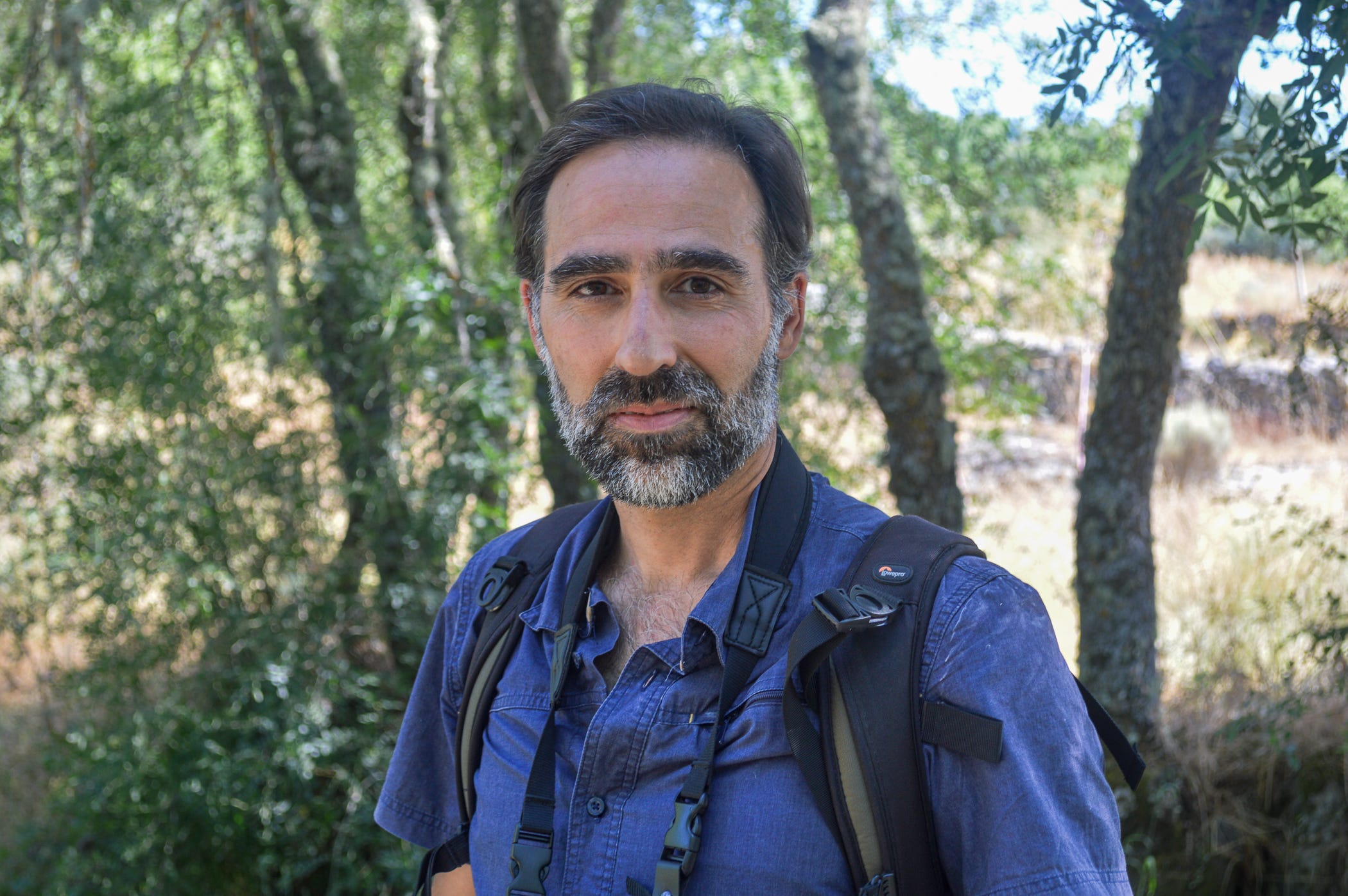
1) Meet the Rewilders: Fernando Romão
Meet the Rewilders is a series that introduces you to people engaged in the rewilding movement across the globe. Today meet Fernando Romão, focused on bringing people closer to experiencing wild nature. He runs Wildlife Portugal, a travel agency and tourism operator based in Portugal that works in partnership with Rewilding Europe and Rewilding Portugal.
It’s wonderful to read about Fernando’s path that always guided him into the great outdoors - it was a path that involved species monitoring, environmental education and ecotourism - a path that always had nature at its core. He writes, “Nature is my religion. I believe we are part of it, even though we have drifted away from it. I believe that most of humanity’s problems would disappear if we reconnected with nature. Even so, even if man continues to lead humanity towards the abyss, I believe that life will endure, albeit in a different form. Life always finds a way!”

2) Rewilding is about letting go of control
In a new blog on the Rewilding Institute site, Jordan Bridger writes, “Rewilding isn’t about saving nature, it’s about letting go of control.” For anyone reading this newsletter, the statement will be entirely obvious. But it must be said that most of humanity (sigh) does not read this newsletter (yet!). Most people still have either no clue about rewilding, or have their minds fixed on something erroneous.
I like this blog in that I think it’s quite helpful when talking to misinformed people. Here just one of Jordan’s paragraphs: “Rewilding is not about erasing humans from the landscape. It is about relinquishing the fantasy that we stand outside it. In a time marked by ecological collapse and cultural fragmentation, rewilding offers something rare — not a solution to be implemented, but a relationship to be repaired. And that repair begins not with control, but with listening.”
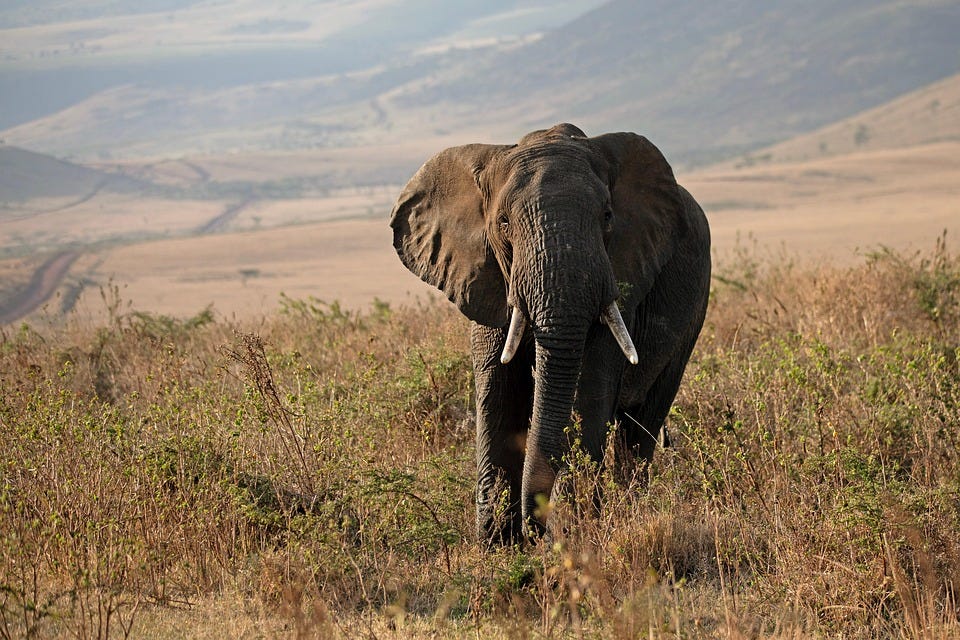
3) How elephants will help to rewild Portugal
One of the best tools to help restore degraded nature is to allow large grazers to do the work for you. A growing number of countries are thus releasing free-roaming bison, feral horses and asses, the Taurus and even water buffalo. All of which were once abundant, roaming Europe in herds. They shaped the landscape by trampling, wallowing, pooping and dispersing seeds. By simply going about their business, these key ecosystem engineers have an outsized impact on flora and fauna.
Now all of what’s happening is good - but imagine if you had an even larger grazer? In steps Pangea with an ingenious idea that delivers in multiple ways. The Pangea sanctuary in Portugal is now open and ready to receive the first elephants that are still in captivity in Europe. As legislations change, more of these elephants will need a new home and Pangea offers one that will be great for them, but also for nature as they’ll automatically start their ecosystem engineering work.
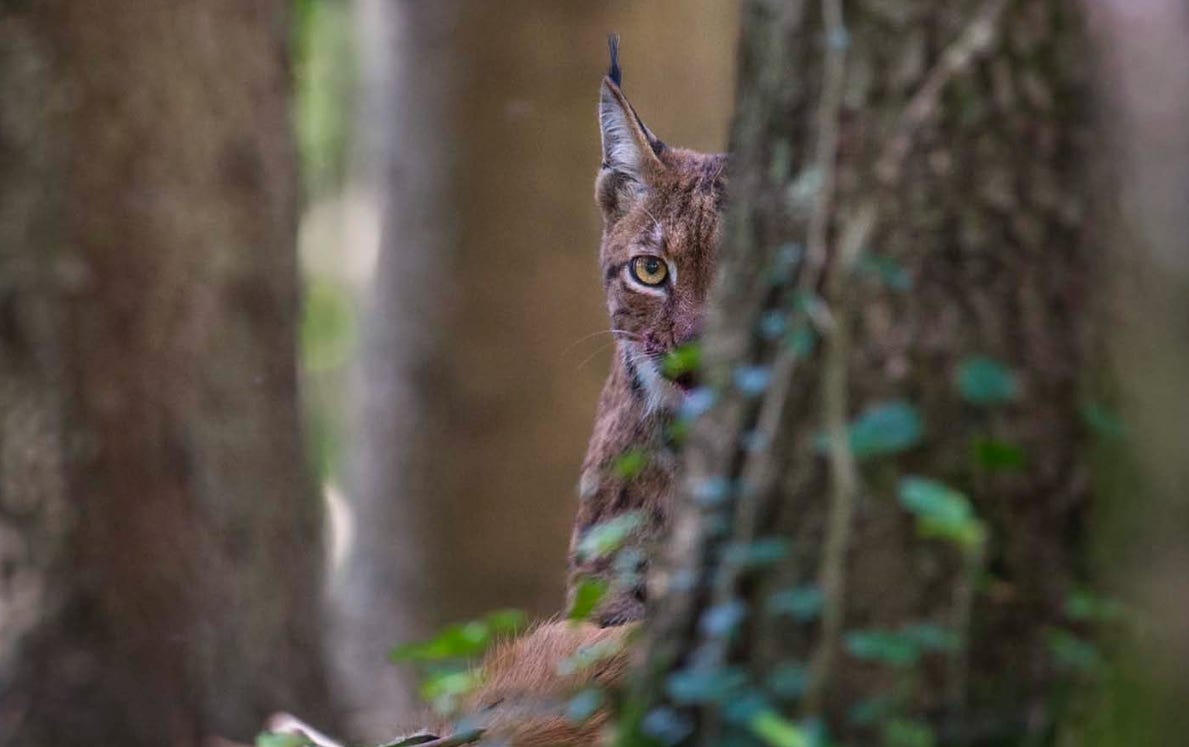
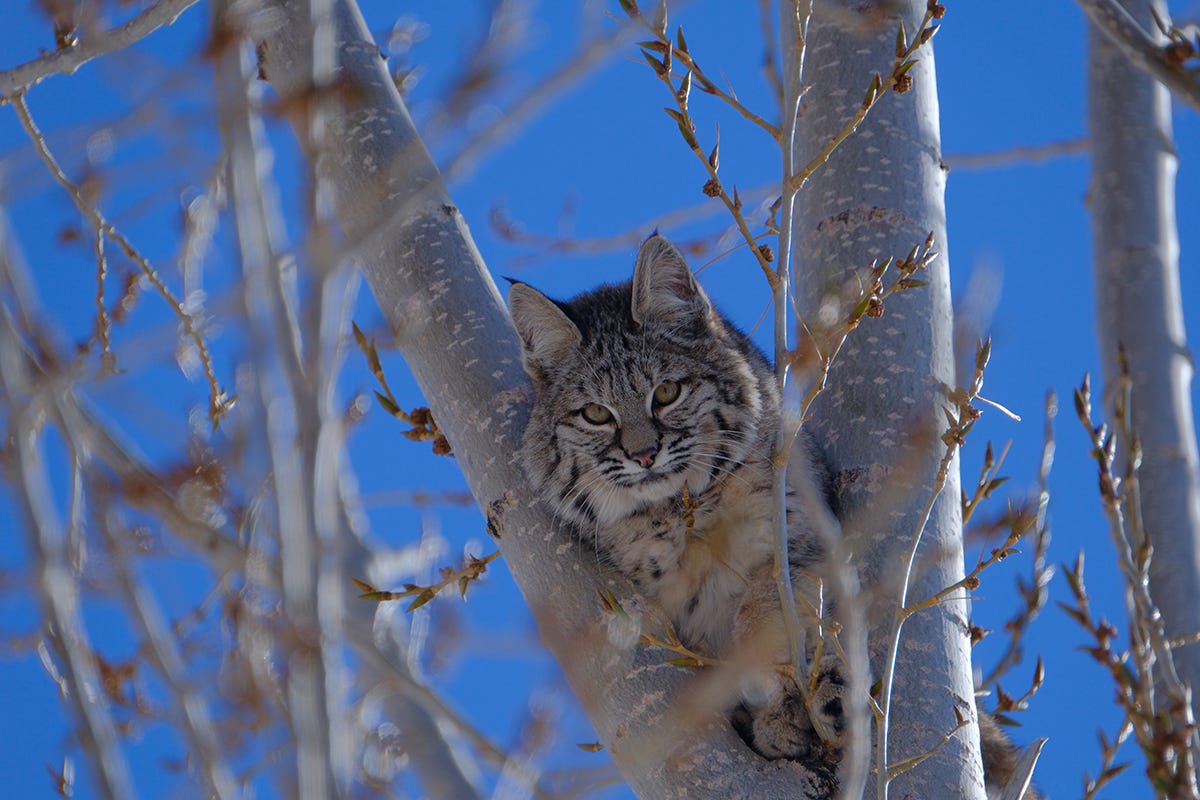
4) They Eurasian lynx: a tale of pride and resilience
Emir Delić recounts (in a LinkedIn post) how the lynx in his part of the world has one of the most interesting histories in Europe. I’ll just let him tell it: “The original population went extinct in the early 20th century due to hunting, habitat loss, and decline of prey. It was then reintroduced in 1973, when lynx from the Carpathians were translocated to Slovenia, from where they naturally spread into Croatia, Bosnia and Herzegovina, and further into Italy and Austria. For a while, it worked. But over time, the population started to decline again, this time not because of space or habitat alone, but due to severe inbreeding and genetic bottlenecks. Low genetic diversity started to directly affect survival and reproduction.”
“That’s what triggered the #LIFELynx project (2017–2023): a large-scale genetic rescue effort across Slovenia, Croatia, Italy, Romania and Slovakia, coordinated by the Slovenia Forest Service. In total, 22 wild lynx from the Carpathians were translocated to restore genetic health. The results are quite clear from a scientific perspective: most animals successfully integrated, reproduced, and helped reverse the decline. Population density increased, inbreeding dropped significantly, and even ecosystem-level effects were observed through restored predation and scavenger support.”
“It’s a rare example in Europe where extinction, reintroduction, and genetic rescue are all part of the same ongoing story, not a finished success, but a managed recovery process still unfolding. In places like Bosnia and the wider Dinaric system, lynx are not just a symbol of wilderness, they are a living case study of how fragile and how recoverable small apex predator populations really are.”
👉 Go here for Emir’s Meet the Rewilders portrait
👉 and here to explore the awesomeness of the lynx
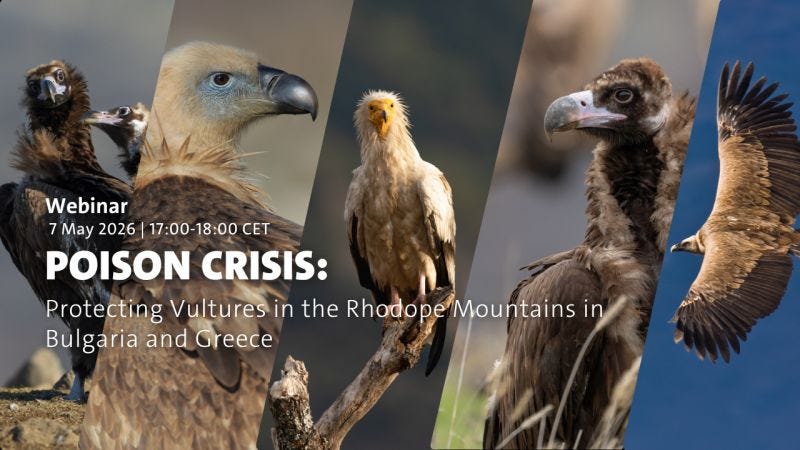
5) Watch the webinar about the poison crisis affecting vultures across Europe
Rewilding efforts across Europe often focus on the reintroduction of missing species, and a particular emphasis is on vultures. It makes great sense as these amazing creatures, nature’s clean-up crew, are key to well-functioning, healthy nature. Unfortunately these amazing efforts are sometimes struggling with a human foe - that secretive (they know what they’re doing is illegal) person who leaves poisoned cadavers out in the world (mainly to decimate wolves). Yes, wolves may be victims, but so will be other creatures, like foxes and especially like vultures.
There are increasingly large rewards offered for information that helps catch these insidious poisoners - but in the meantime animals continue to die. What to do? The webinar is now available on YouTube - well worth watching - learn about the challenges, learn from the experts on the ground, and learn about anti-poisoning measures and best practices already applied. Anyone leaving poisoned meat out there in the wild, is a truly despicable excuse for a human being. If you know of anything, alert the authorities or, heck, alert me and I’ll follow it up.

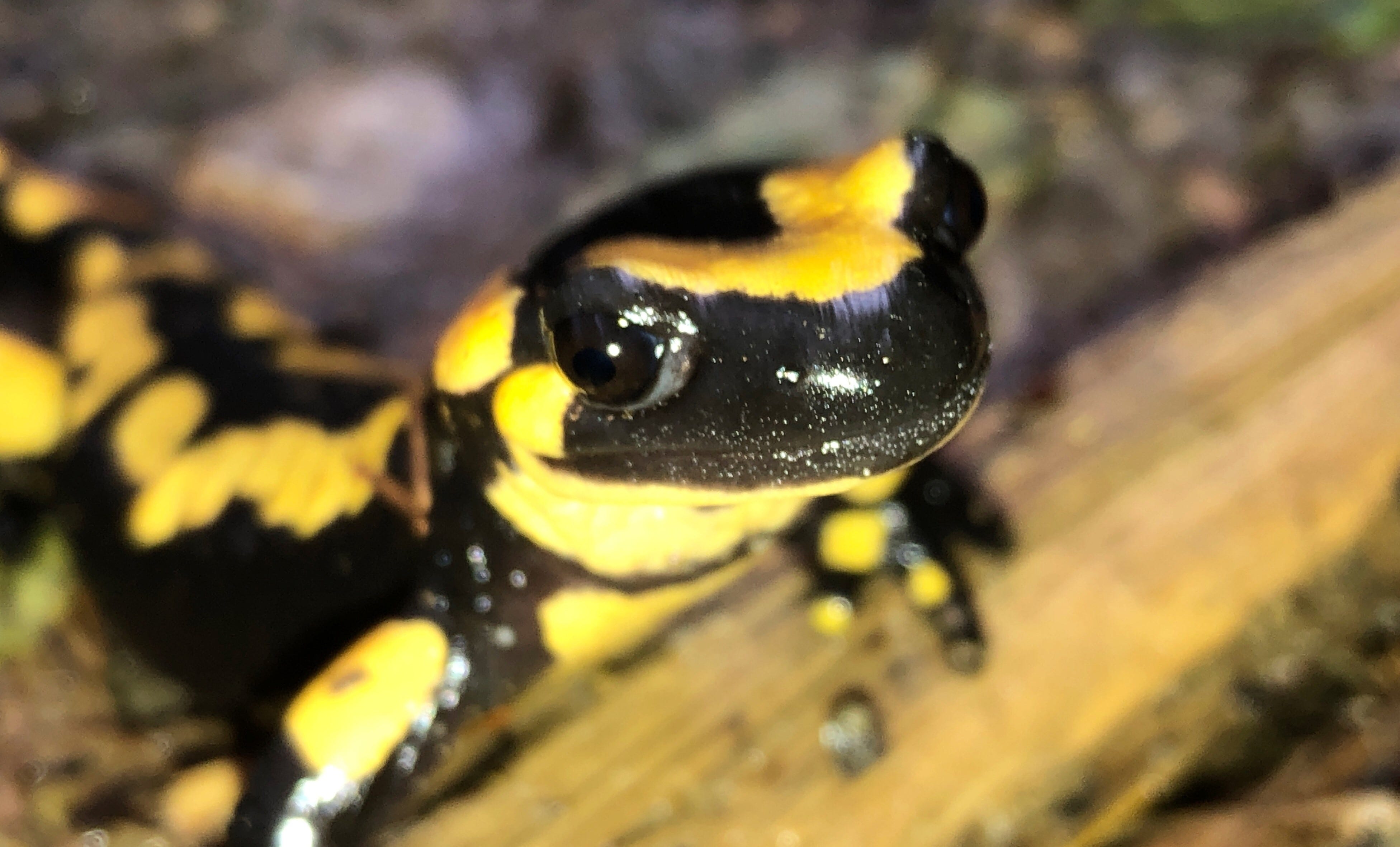
6) Rewilding comes in all sizes - here with the Italian fire salamander
Rewilding Appenines shared a joyous little clip of the work they annually do to help salamanders cross the road to reach the streams where they lay their eggs. Ever so often we focus on the bison, the wold, the feral horses, the lynx, the beaver … but it’s always worth remembering that all of the big stuff wouldn’t be without all of the small stuff - the tapestry of life is fantastically diverse and whenever we take a closer look, it just gets even more fascinating. I came across the above salamander during a hike in Italy a while back … I mean, sheer wonder, right!?
Rewilding Appenines writes, “Every spring these animals need to cross the road to reach the streams where they lay their eggs or give birth. A short migration, but on tarmac it can be lethal. A few years ago, joining an initiative by Maiella National Park, we decided to do something very simple: build underpasses and install mobile fences that guide the animals towards those safe passages. We at Rewilding Apennines built 4, thanks to the support of Patagonia, and every year, right on cue, we come back to complete the job.”

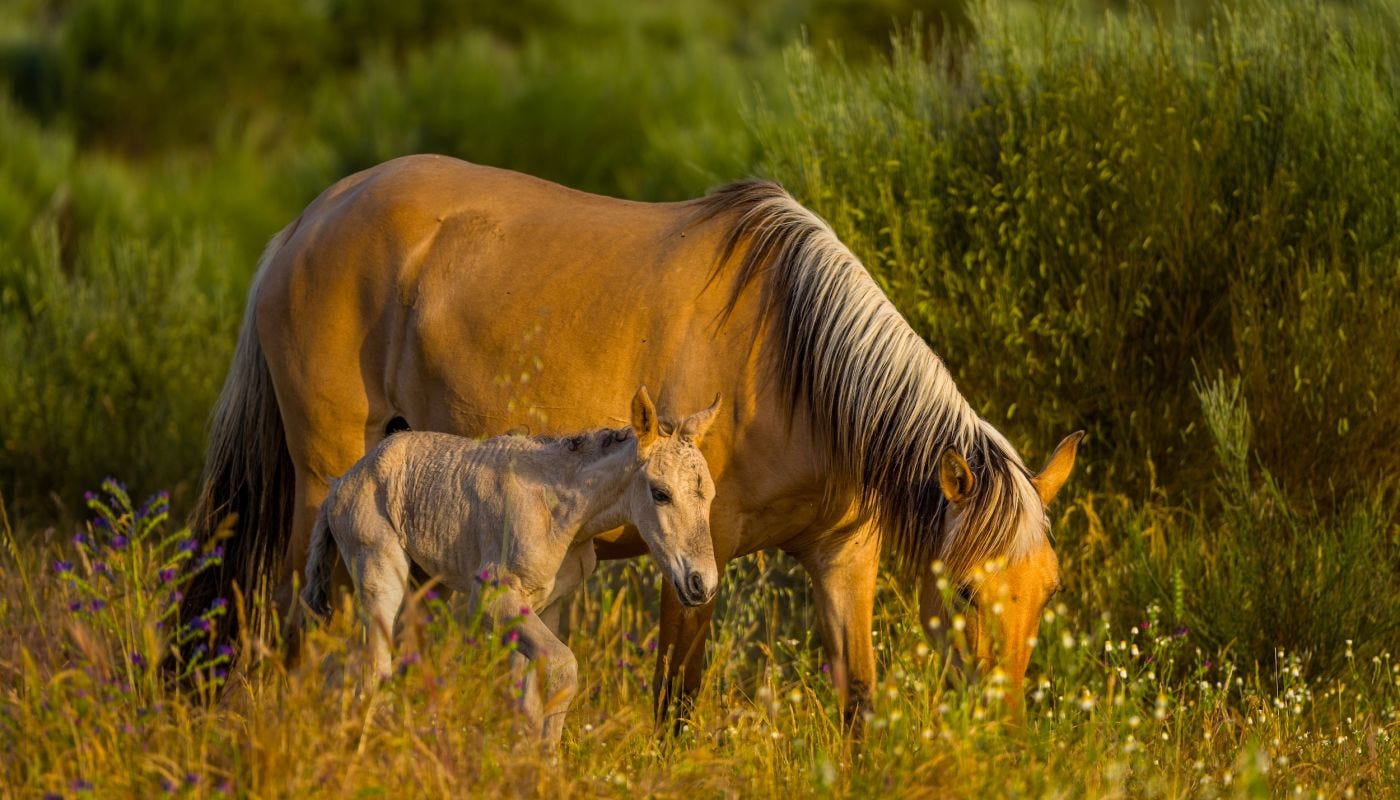
7) The story of Rewilding Portugal - and Portugal’s rewilding wine!
This article by Tamlyn Currin in the wine-focused JancisRobinson site offers a wonderful (and wonderfully pictured) look at Rewilding Portugal, its challenges, projects and path from the beginning to this day … it talks projects and finances, large herbivores and wolves, the construction of over 50 ponds, the rewilding center, wildlife tourism, you name it. And then, of course, eventually the article switches to the topic of wine, specifically the Altano Rewilding Edition.
Turns out that, in search for funding, Rewilding Portugal brought this idea to the Altano brand - they loved it and created a specific rewilding bland. Every sale of the Rewilding Edition contributes financial support to Rewilding Portugal and, so the article, this wine alone has tripled Rewilding Portugal’s annual income. Currin has tasted the wine and seems to be a fan (I’ll definitely get myself some of that wine!) and she writes, in addition: “Rest assured, this wine is greenwash-free. More than that, it’s a cause genuinely worth supporting, and you get a bottle of wine in return!”
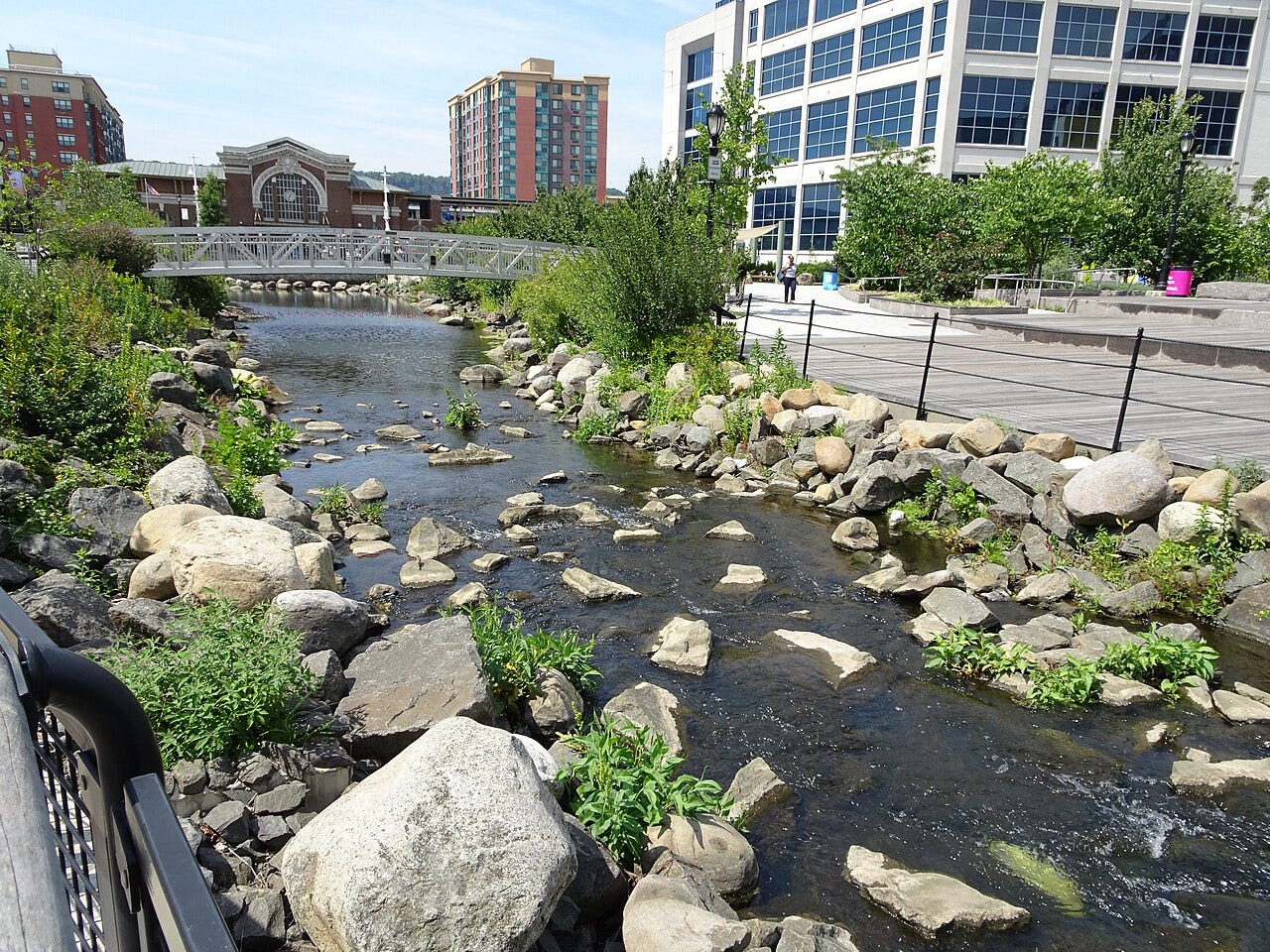
8) Let’s bring Daylighting into the light
It seems insane: For one hundred years, the pictured river flowed in a concrete pipe under a huge parking lot. But this is what has happened to countless creeks, streams and rivers across the world when they became inconvenient - aka in the way of progress. Since the 1980s, so-called daylighting efforts bring more and more waterways back into the light. It’s fascinating work.
In this latest article, I’m looking into the history, the examples, and the manifold benefits. I discovered that I had such a creek buried below a field near our farm. Hard to imagine, and it couldn’t feel more wrong. On the plus side I’ve learned that the nearby city of Zurich as the world’s forerunner when it comes to daylighting. Why do all of that costly work? Because water is life and the benefits of flowing water and biodiversity-rich riverbanks are not just environmental, they’re also economic and social. Daylighting waterways is a gift that keeps on giving.

To conclude this week’s edition, rewilding legend and Trees for Life founder Alan Watson Featherstone shares with us a bit of his iconic photography that often takes a look at nature in a way that’s far closer to what we ordinarily perceive in passing. Alan takes time - as we all should. What you’re looking at below is slime mould. Alan takes offense to the name: “Slime moulds have been burdened with a terrible common name that completely belies their remarkable life cycle & intricate shapes. They spend most of their time as single celled organisms inside their substrate (dead wood in this case) before merging to form a multicellular plasmodium that flows across the surface and then forms these spectacular sporangia which release the spores for its reproduction.”
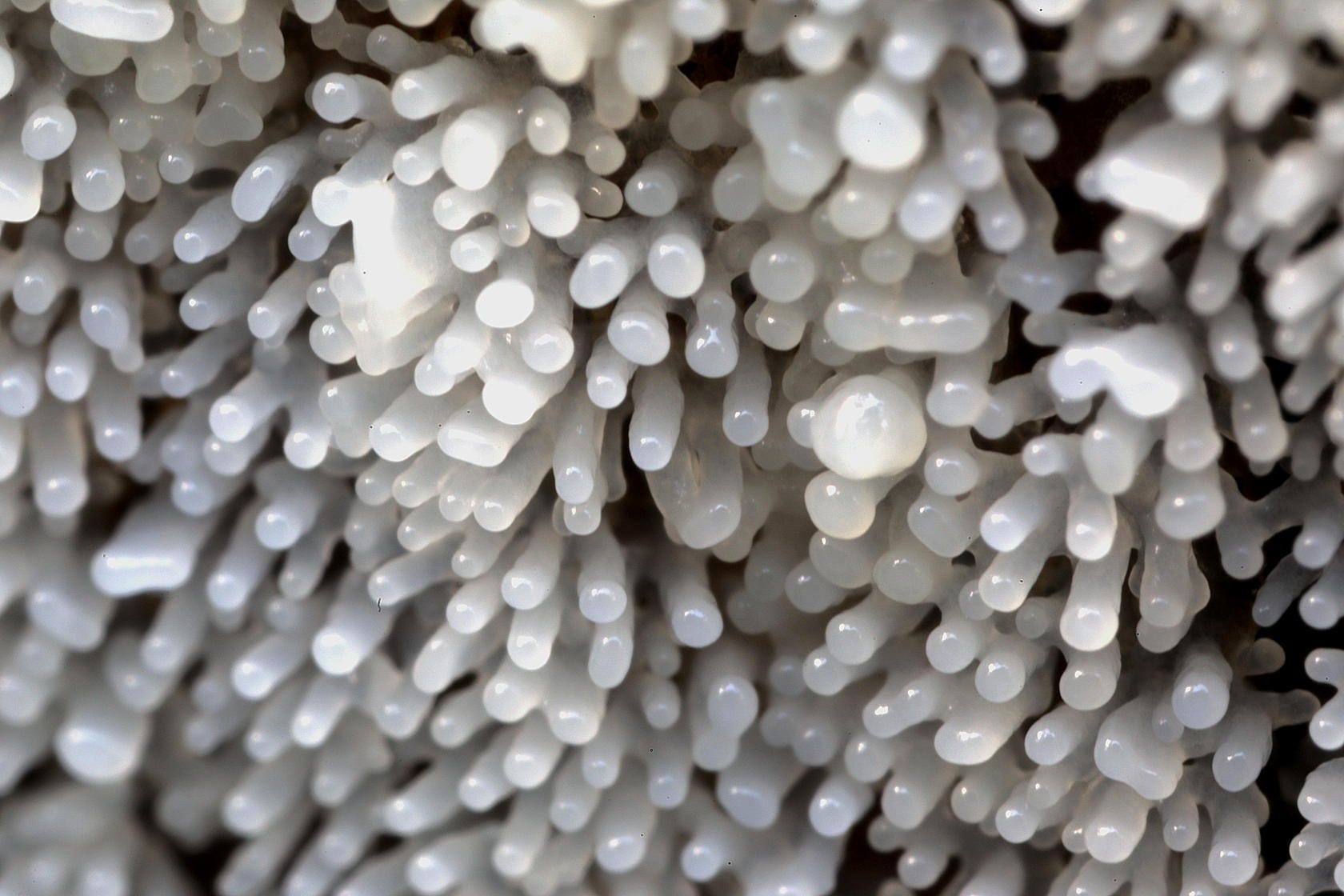
To find out more about Alan, his public speaking, writing, photography and more, visit him at alanwatsonfeatherstone.com. And if you feel like reading about my fantastically unique day with him in Glen Affric, go here.
Glad you’re here, reading the Rewilder Weekly. Share the stories, write your own (and let me know about it), engage with others. Let’s continue to reach out, inspire and activate ever more people around the world. The rewilding movement is growing, and with all of us pitching in, it’ll grow a great deal more!
That’s it for this week’s edition. Eager for more rewilding insights?
get inspired by the lives, decisions, challenges, beliefs and hopes of passionate rewilders with the Meet the Rewilders portraits;
connect with these organizations - sign up for newsletters and support them in any way you can;
join these events - conferences, online seminars, rewilding days and weeks to immerse yourself and learn from the experts;
read these books - a selection from Foreman to Macdonald, and from Tree to Daltun, Hetherington and Bowser;
listen to these podcasts - it’s inevitably inspiring when the likes of Peter Cairns, James Shooter, Ben Goldsmith and Brooke Mitchell talk to the pros in the field;
and check out these resources - explore the principles, ways of funding, research publications and personal ways to start rewilding.
And, of course, connect with and follow the many passionately engaged rewilders. Let’s keep growing the movement! 🦬🌳🐺🌞🌍
Go ahead, do it! 😊 I love comments and you can ask me anything (literally). You can also let me know about projects you come across, article you think I should share - and feel free to throw in tough questions, too - spice of life!
Oh, and please do click the ❤️ (like) button, too. The more ❤️, the more these posts rise in Substack’s algorithm - which means more and more people will discover rewilding, will learn about it, will engage around it, and hopefully will become active rewilders before long. Thanks!
Thanks for sharing good environmental news. Most of us don't hear enough about the positive things taking place.