


Welcome to the latest edition of the Rewilder Weekly. 🦬🌳🐺🌞🌍
This week with the latest rewilder portrait, Fraser Murray, community engagement officer at Bright Green Nature (a Scottish nature restoration charity) - as well inspiring and insightful stories from 🇪🇸 Spain, 🇦🇿 Azerbaijan, 🇧🇬 Bulgaria, 🇳🇱 the Netherlands, 🇮🇹 Italy, 🇺🇦 Ukraine, 🇵🇹 Portugal, 🇸🇪 Sweden, 🇦🇷 Argentina, 🏴 Scotland, 🇩🇰 Denmark, and 🇺🇸 the US.
Wishing you a good week!
Cheers,

👉 If you come across stories you’d like to see featured in a future edition of the Rewilder Weekly, send them to me and I’ll gladly do what I can.

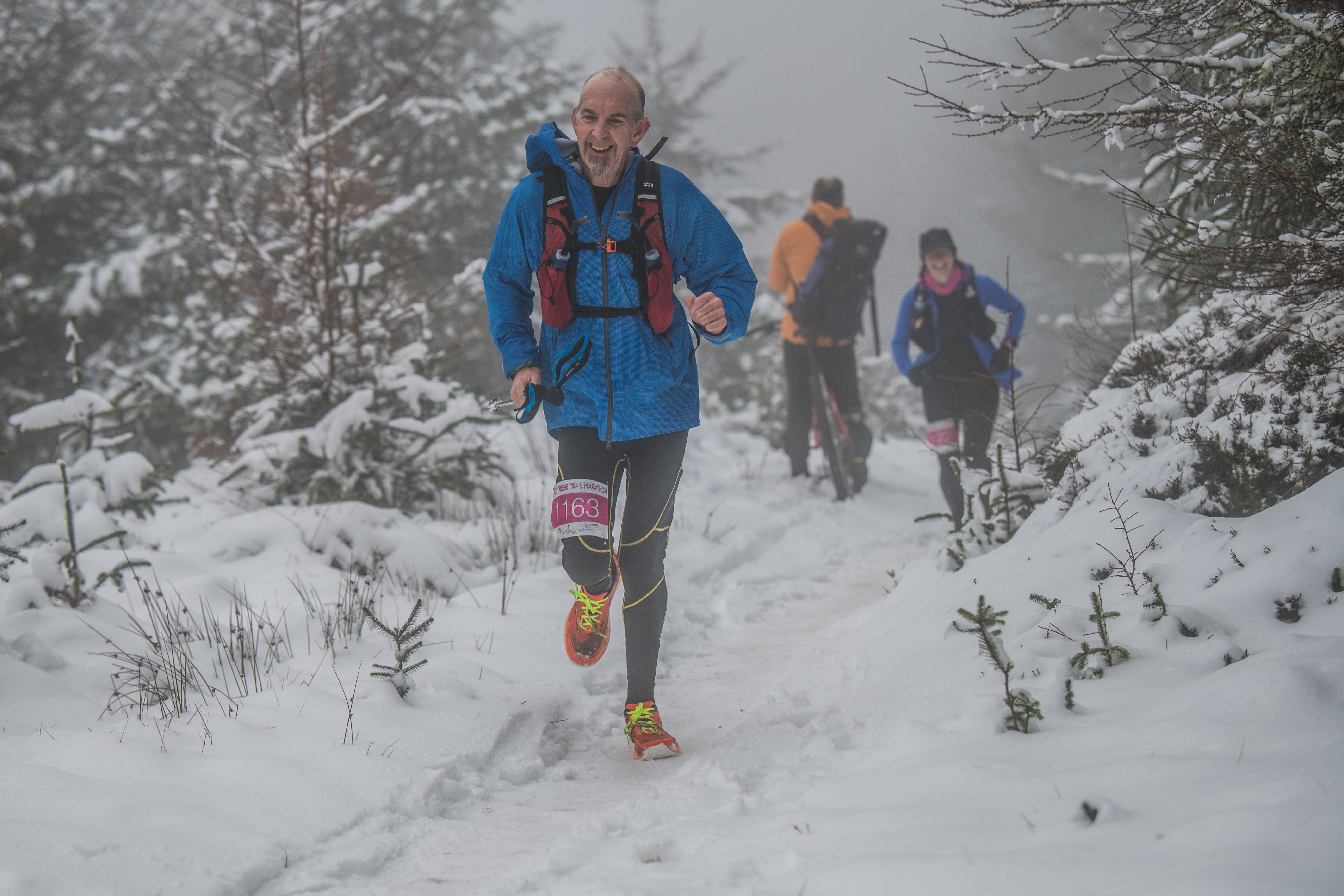
1) Meet the Rewilders: Fraser Murray
Meet the Rewilders is a series that introduces you to people engaged in the rewilding movement across the globe. Today meet Fraser Murray, who works for Bright Green Nature (a Scottish nature restoration charity) as community engagement officer where he particularly focuses on the Young Rewilders group. Now here’s someone who should inspire all of us, because, as the saying goes, it’s never too late. Fraser spent most of his life in the motor trade. Then COVID came and he decided to dedicate the rest of his working years to rewilding.
The Meet the Rewilders feature is quickly beginning to connect the dots! At Bright Green Nature, Fraser works with founder and CEO Karen Blackport, who already participated (see here), and he was inspiring to join the rewilding movement after watching Why Not Scotland (which starred Flo Blackbourn - who’ll also participate in the Meet the Rewilders). Six degrees of separation will soon be one, or two at most!
Fraser’s values are a perfect match with the 8th story of this week’s newsletter - he says, “I believe in equality and fairness, for all people and for all other species. For me that extends to not seeing animals as a resource to exploit for food or other uses. I think that empathy and compassion are the most important values anyone can possess, and that, no matter what, we should always try to have a sense of humour and to smile as much as possible.” Indeed!

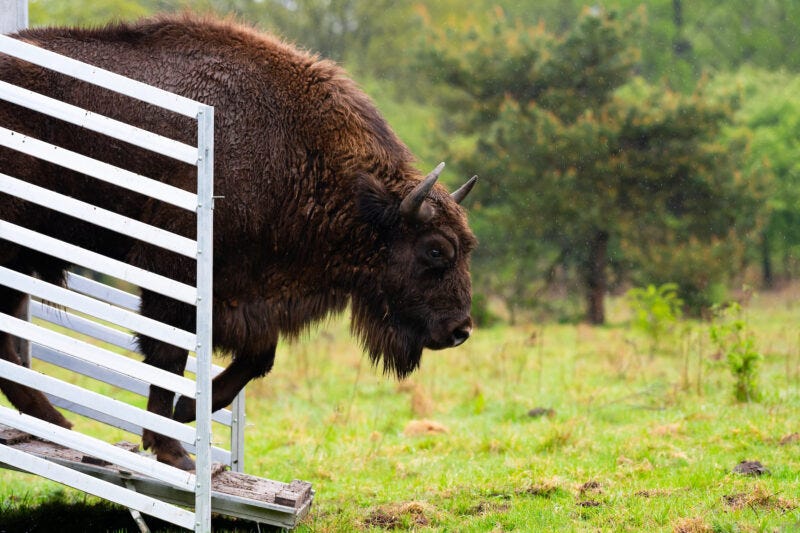
2) A look back at the many wildlife reintroductions of 2025 thanks to the European Wildlife Comeback Fund
The European Wildlife Comeback Fund (EWCF) was launched in 2022 to help drive forward and scale up wildlife reintroductions of keystone species across Europe. Rewilding Europe reports that, thanks to the fund, every year more progress is made. The focus is on keystone species because of the outsized difference their presence makes to their habitats. The range of such species is great to see: bison, vultures, hamsters, red kites, horses, Tauros, trout, you name it!
In 2025, the fund supported 23 reintroduction initiatives, covering 17 species across 9 countries. Rewilding Europe’s Sophie Monsarrat says, “The fund makes a real difference by providing the support where it is needed most – something made possible only by generous donations. We are proud of the role it has played since its launch in 2022 in scaling up reinforcements and reintroductions across Europe. The return of wild species requires long‑term commitments to deliver impacts that span into the future.”
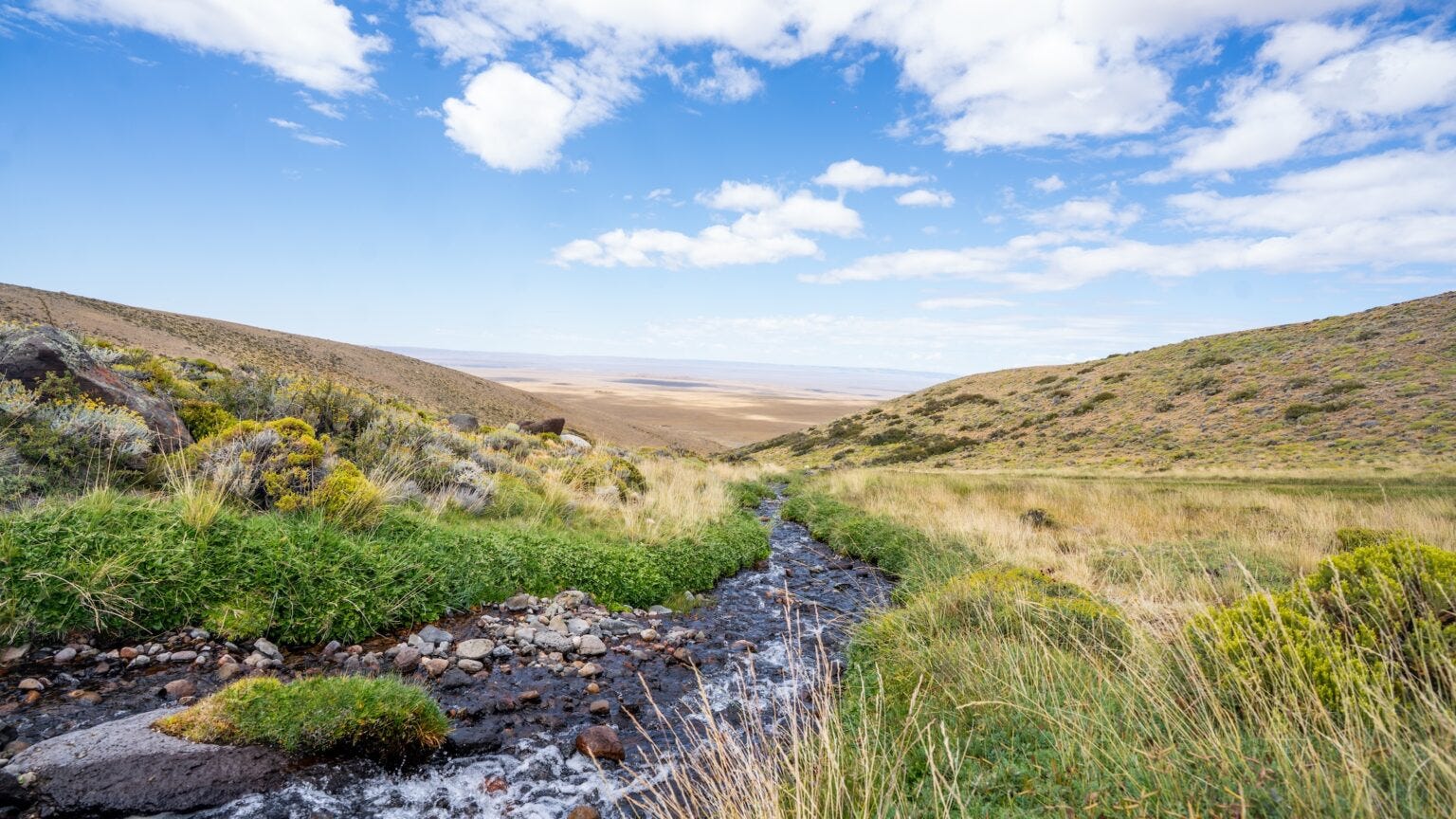
3) Watershed restoration campaign in Patagonia Park
It’s done! The work began in 2018, with the removal of fences from what had been land used for cattle ranching. As we know, such lands over time degraded massively, biodiversity diminishes - and passive rewilding alone doesn’t do the trick when humans have also meddled with the water sources. For years now Rewilding Argentina, together with local communities, have worked to bring a natural flow of water back to the lands.
It is thanks to the knowledge of old people - who know where springs are, what changes have been happened - that work soon progressed with the wetland regeneration from 8 to 30 hectares in just 4 years. The success is clear to see - says Román Mosqueira, “… we begin to observe a greater presence of fauna, especially birds associated with these wetlands: the Austral Moorhen, various ducks such as the Spectacled Duck, the White-faced Duck, the White-faced Whistling Duck, the Yellow-billed Pintail, and the Crested Teal; Silvery Grebe, Upland Goose, flamingos, ibis, herons, coots, common snipe, and rheas. Some mammals also make use of the wetlands, particularly guanacos, coypus, foxes, and in winter we often see pumas.”
4) Coexistence with white-tailed eagles
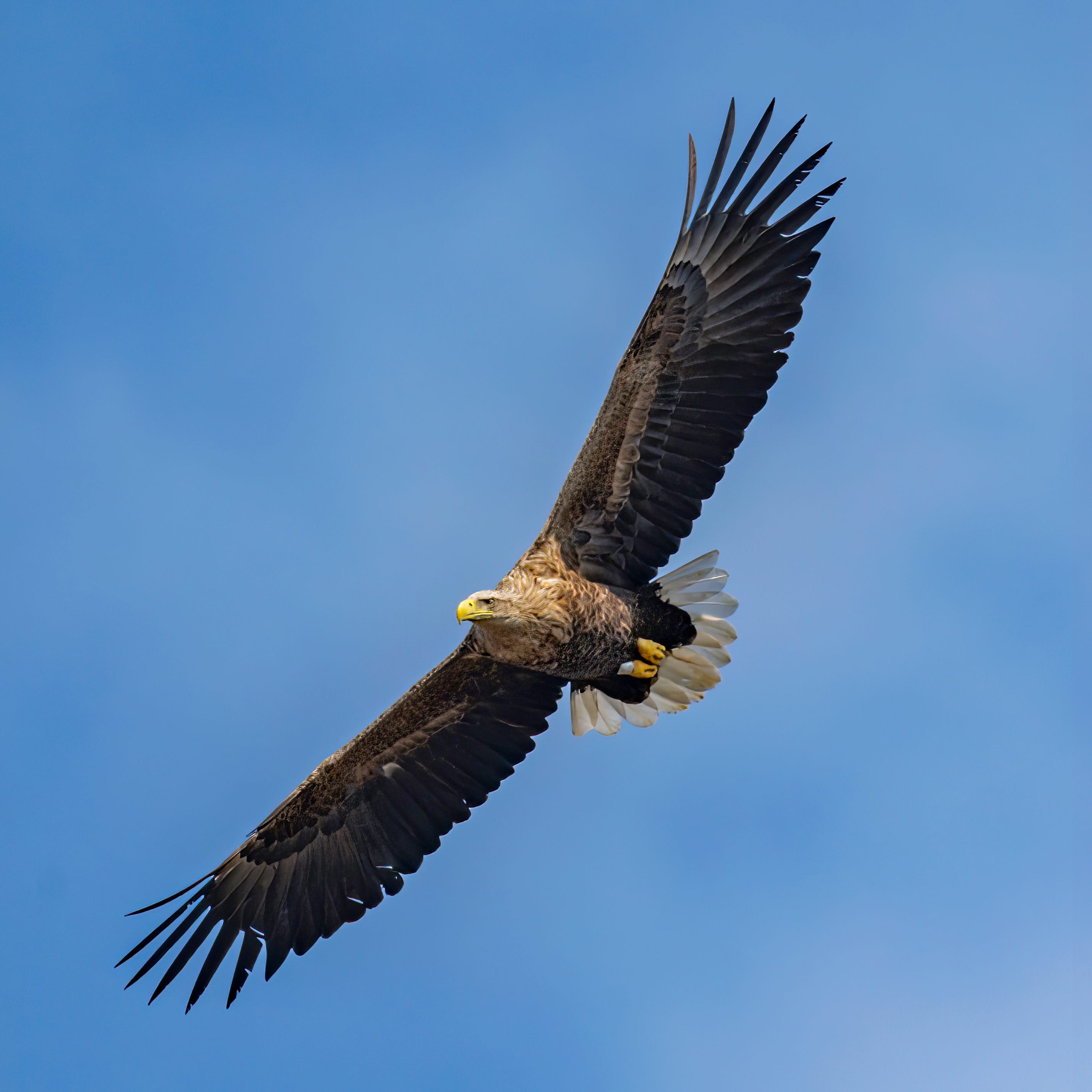
In a fascinating podcast episode of At the Edge, Peter Cairns explore the frictions between people focused on nature restoration and traditional farming communities - the episode’s title already hints at where this is going: “Can an eagle really kill a horse?” The question comes from the claim by a farmer in the Outer Hebrides, saying that sea eagles (another term for white-tailed eagles) took five of his Shetland pony foals. It remains unproven and - based on what you’ll hear in the podcast, it is highly unlikely that sea eagles were - or even could have been - the responsible party.
The fascinating parts in Pete’s episode is the layered look at it all - where are the different positions? What does it take to bring people together? What’s the real issue? Interestingly, I think one of the farmers brought it home by simply stating that they used to be in control of their lands, with the right to kill predators if need be. That going out and killing foxes, for example, felt good and the right thing to do - and that, seeing white-tailed eagles fly by and knowing them be protected, making it illegal for him to shoot them, felt just galling.
Do sea eagles kill horses? Unlikely, at best. Do they take lambs? Yes, remains have been found in nests. But whether they were healthy, or ill, or already dead, cannot be ascertained. As always, at the core is a fear of change and a loss of control. Both can be mitigated against. One way that’s proven to work with jaguars in Mexico is to monetize presence of predators. It should become desirable for farmers to know that sea eagles frequent their lands. This can be done. And it works.
5) The return of giants to Denmark
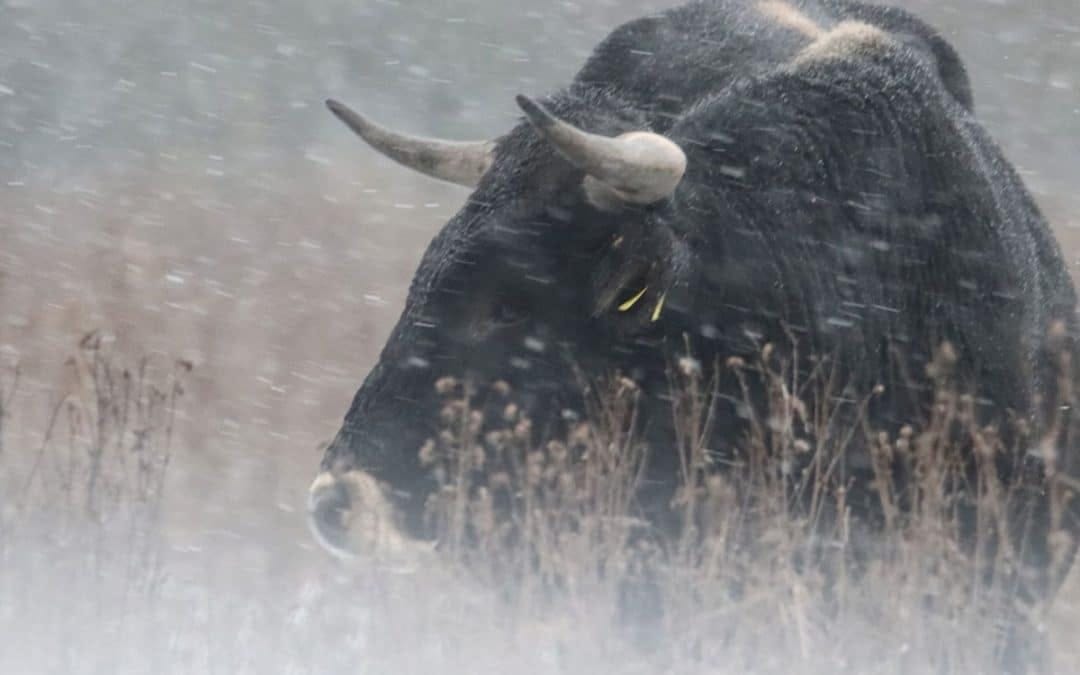
The Hempel Foundation’s philanthropic efforts help restore 2’500 hectares of former farmland in southern Denmark, called Vildmarken, or the Wilderness. The Saksfjed Wilderness is part of this effort and there 30 Tauros were ‘reintroduced’ in 2025. The Tauros cattle has been back-bred to resemble as closely as possible the prehistoric aurochs, the majestic ancestor herbivore that once grazed across Europe. These large grazers are ecosystem engineers with an outsized positive impact on their environment.
Biologist Thor Hjarsen shares his excitement: “These large herbivores will increase biodiversity and create wilder nature. They are referred to as “keystone species” because their impact is so important to other species. Large herbivores, such as Tauros, create the habitats that many endangered species depend on.” Are those Tauros expected to do all of the ecosystem engineering work on their own? Of course not! In addition, there are 200 Galloway oxen and Exmoor horses - all roaming free in a place that was, until just 2023, dominated by farming and forestry. With all of these large grazers doing the heavy lifting, the Saksfjed Wilderness is bound to be a biodiversity haven in years, not decades. One of the many places I’d love to visit one fine day!

6) Pushing back against the human sprawl
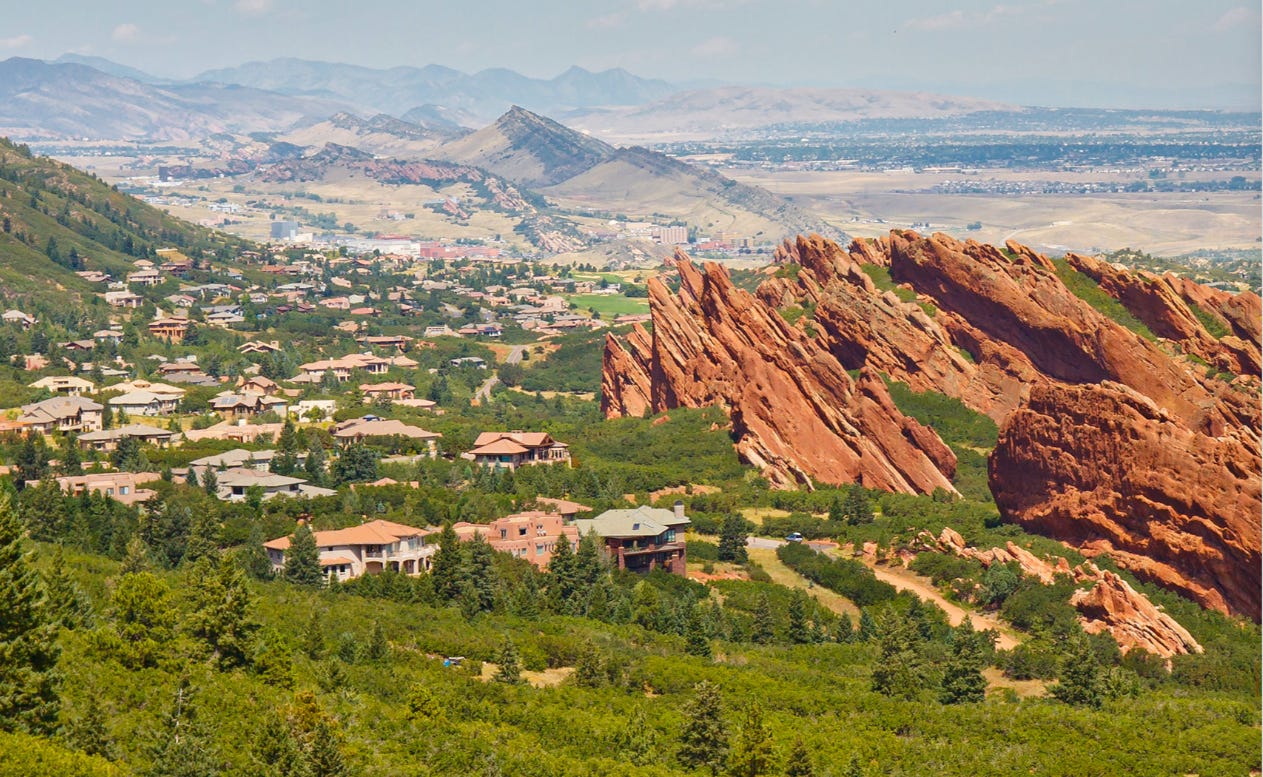
Ben Goldfarb is an environmental journalist with nature corridors at heart. He is the author of Crossings: How Road Ecology is Shaping the Future of Our Planet - and he is also the author of a new article in bioGraphic that looks into the ever growing sprawl of humans in the Western US. I think the above image perfectly illustrates how humans continue to encroach on ever more of nature - thus make it ever more difficult for nature to flow, to travel through corridors as it must to function.
In the article, he lays out national and local plans and explains that a great deal (two thirds!) of what happens with land is actually managed by local government. Every day, more nature is lost to human development, but a few local governments are beginning to make longterm plans that focus on a healthy balance - i.e. building where infrastructure already exist, and ensuring nature corridors in perpetuity.
“If current trends persist in the Greater Yellowstone Ecosystem, once-sleepy towns in Montana and Idaho could someday erupt into population centers. All that growth strains resources: Cash-strapped counties must shell out to maintain dirt roads battered by exploding traffic, new wells deplete finite groundwater, and sprawl pushes neighborhoods into fire-prone forests. There is a true economic cost to communities that don’t develop in a planned and organized fashion. Limiting sprawl doesn’t just aid wildlife—it allows rural towns and counties to survive inevitable growth.” (Cindy Riegel of the Project Greater Yellowstone)

7) European freshwater fishes under threat
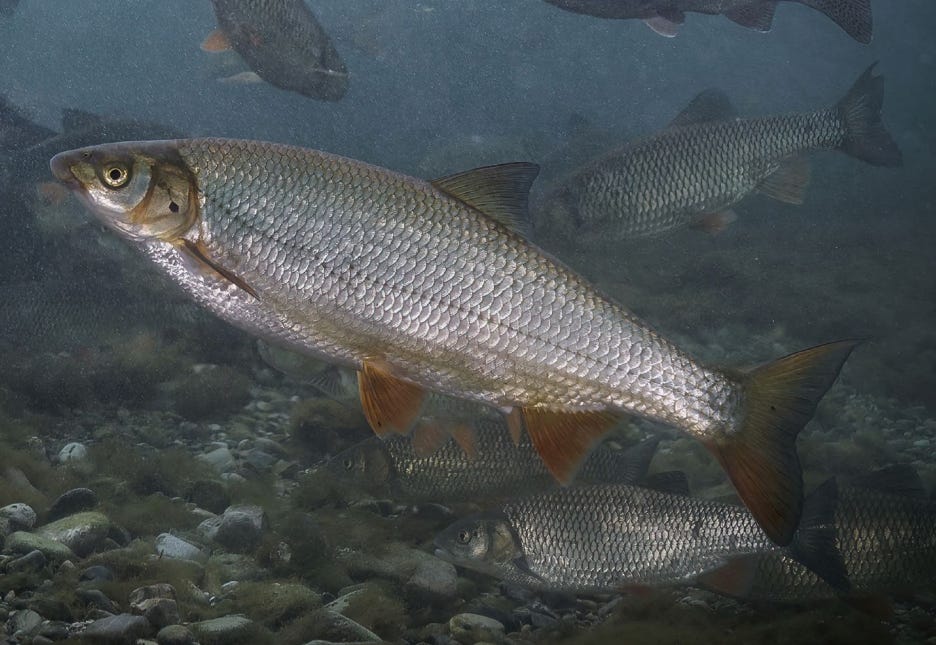
If European countries were to take rewilding action to heart across the board, this would not be a story. The way to help fish populations recover is straight-forward - but of course far from simple: It would require river renaturalizations at scale; the rewilding of river banks with shade-giving flora (to combat rising temperatures); the removal of all obsolete weirs and dams; and a moratorium for fishing/angling for a few years … Unfortunately, such a concerted effort at scale across all of Europe is wishful thinking at best.
A new IUCN report shows that nearly HALF of all European freshwater fishes are at risk of extinction. Read the full report here. So what to do? They are right in saying that freshwater fishes are key indicators of ecosystem health. The report is thus a loud and clear alarm bell. “The deteriorating status of freshwater fishes signals broader ecosystem decline. Without urgent, coordinated action to tackle habitat loss, pollution, invasive species, and climate change, Europe risks losing a significant portion of its aquatic biodiversity within a generation.”
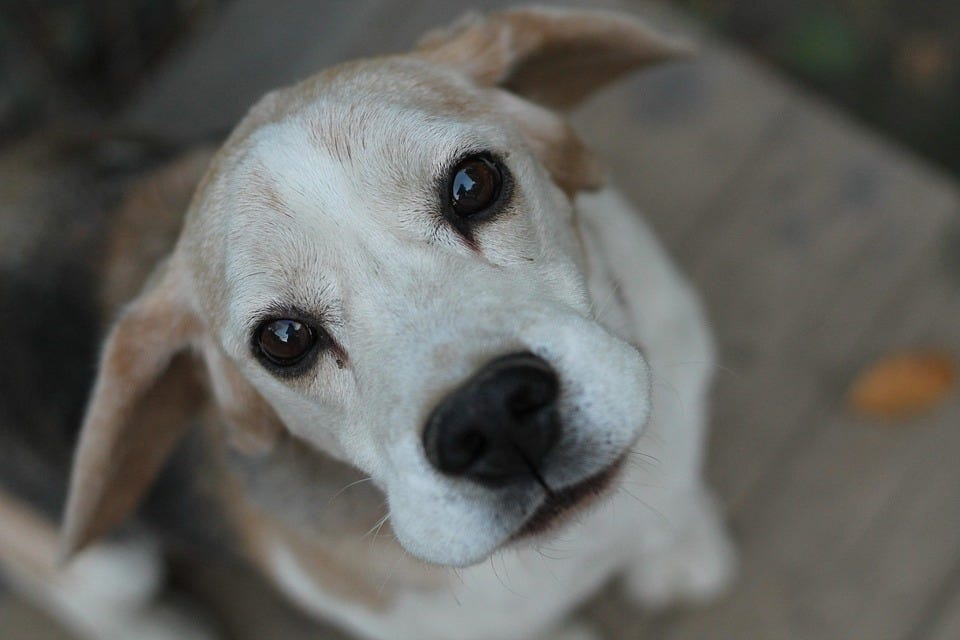
8) Every animal is someone
You may wonder why, in a forum about rewilding, I occasionally write about animal cruelty. The thing is that rewilding is about a new balance between humanity and nature, and it is very much about a lived respect and care for nature. Animal cruelty is the very opposite, it is an abomination - whether in lab testing, farming, illegal trading, gambling or anywhere else. Animals are not things, they are someone. And when we learn and live with empathy, we’re on a better path for nature everywhere.
Every year, some 200 million animals are subjected to cruelest tests that are ethically abhorrent and scientifically useless. There are better ways and, finally, there is hope on the horizon. In this article, I'm looking into the specific example of Ridglan Farms, their claims, the abuses, the efforts and increasing successes of animal rights groups, the potential of the necessity defense, Jane Goodall's clarity, and the hope that comes from the tremendous courage and actions of people like Wayne Hsiung.

To conclude this week’s edition, rewilding legend and Trees for Life founder Alan Watson Featherstone shares with us a bit of his iconic photography that often takes a look at nature in a way that’s far closer to what we ordinarily perceive in passing. Alan takes time - as we all should.
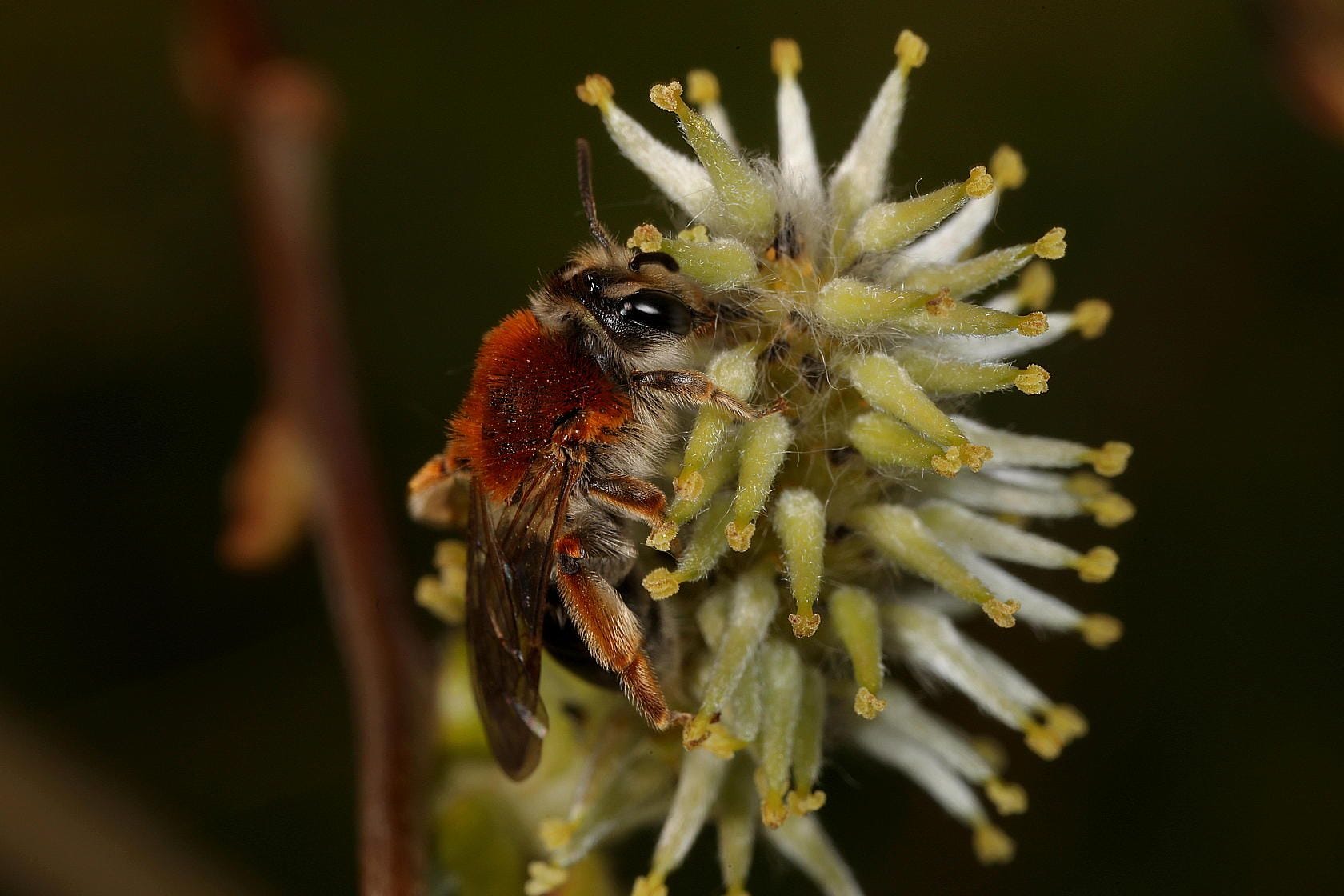
To find out more about Alan, his public speaking, writing, photography and more, visit him at alanwatsonfeatherstone.com. And if you feel like reading about my fantastically unique day with him in Glen Affric, go here.
Glad you’re here, reading the Rewilder Weekly. Share the stories, write your own (and let me know about it), engage with others. Let’s continue to reach out, inspire and activate ever more people around the world. The rewilding movement is growing, and with all of us pitching in, it’ll grow a great deal more!
That’s it for this week’s edition. Eager for more rewilding insights?
get inspired by the lives, decisions, challenges, beliefs and hopes of passionate rewilders with the Meet the Rewilders portraits;
connect with these organizations - sign up for newsletters and support them in any way you can;
join these events - conferences, online seminars, rewilding days and weeks to immerse yourself and learn from the experts;
read these books - a selection from Foreman to Macdonald, and from Tree to Daltun, Hetherington and Bowser;
listen to these podcasts - it’s inevitably inspiring when the likes of James Shooter, Ben Goldsmith and Brooke Mitchell talk to the pros in the field;
and check out these resources - explore the principles, ways of funding, research publications and personal ways to start rewilding.
And, of course, connect with and follow the many passionately engaged rewilders. Let’s keep growing the movement! 🦬🌳🐺🌞🌍
Go ahead, do it! 😊 I love comments and you can ask me anything (literally). You can also let me know about projects you come across, article you think I should share - and feel free to throw in tough questions, too - spice of life!
Oh, and please do click the ❤️ (like) button, too. The more ❤️, the more these posts rise in Substack’s algorithm - which means more and more people will discover rewilding, will learn about it, will engage around it, and hopefully will become active rewilders before long. Thanks!